 EuroTripr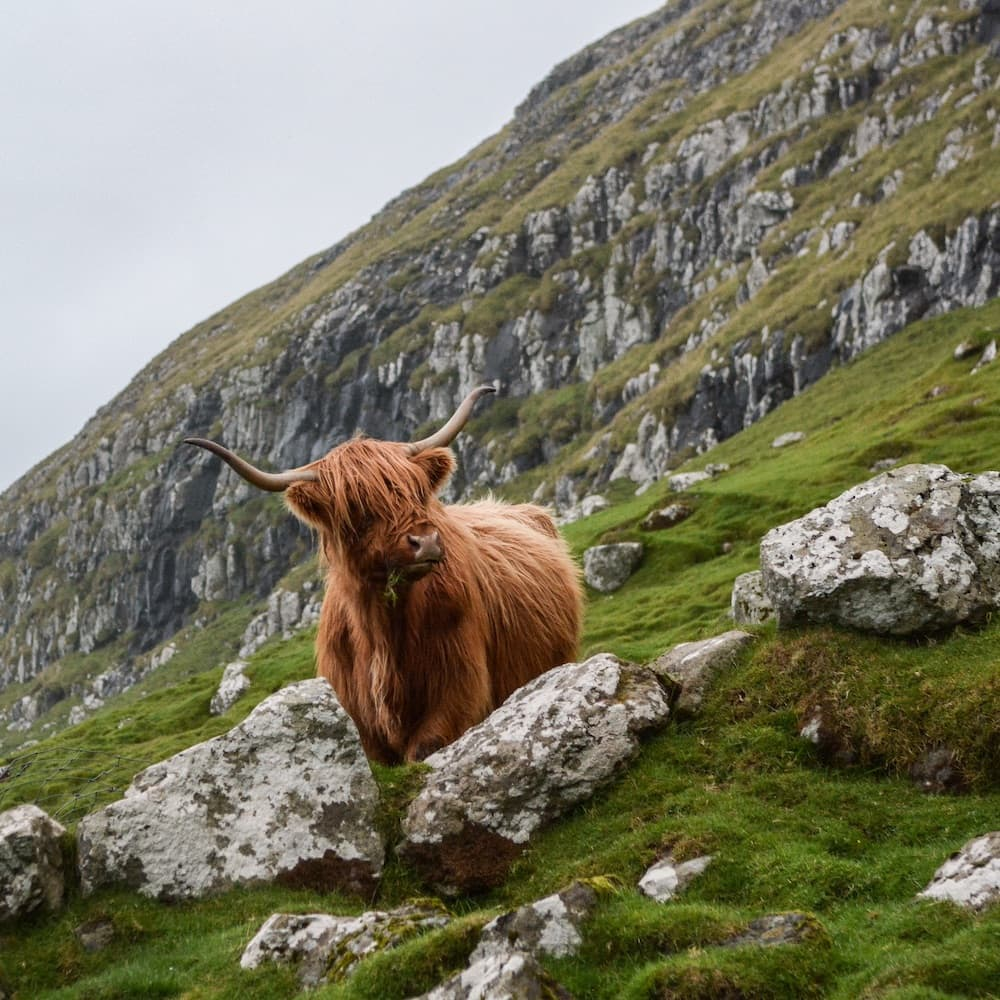
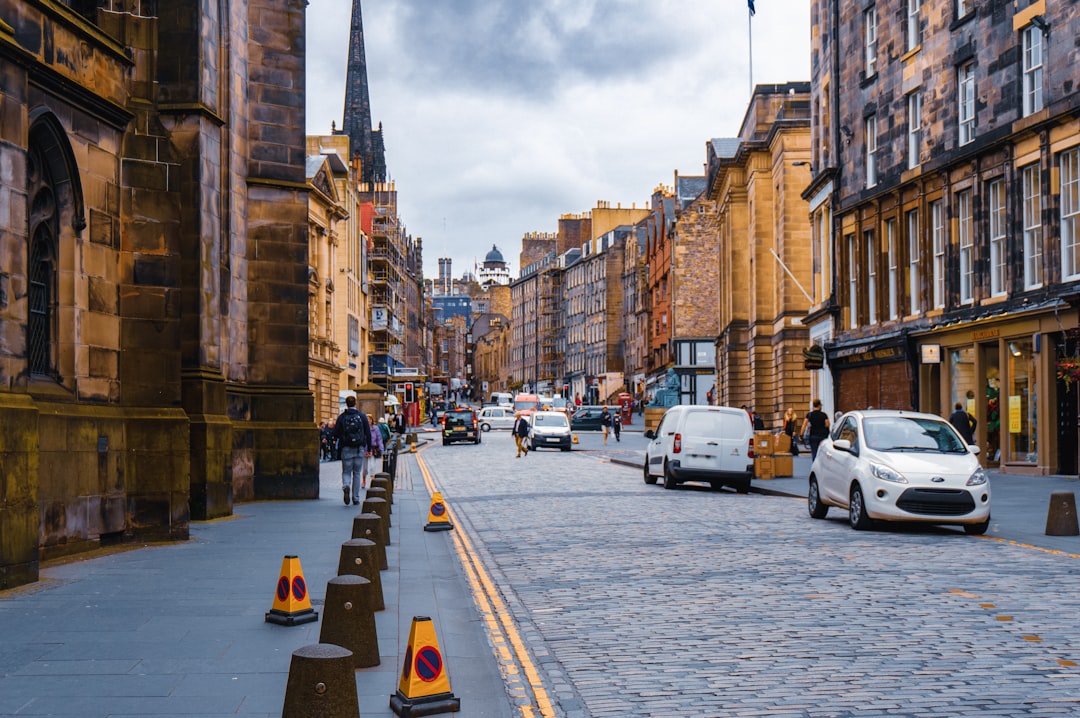
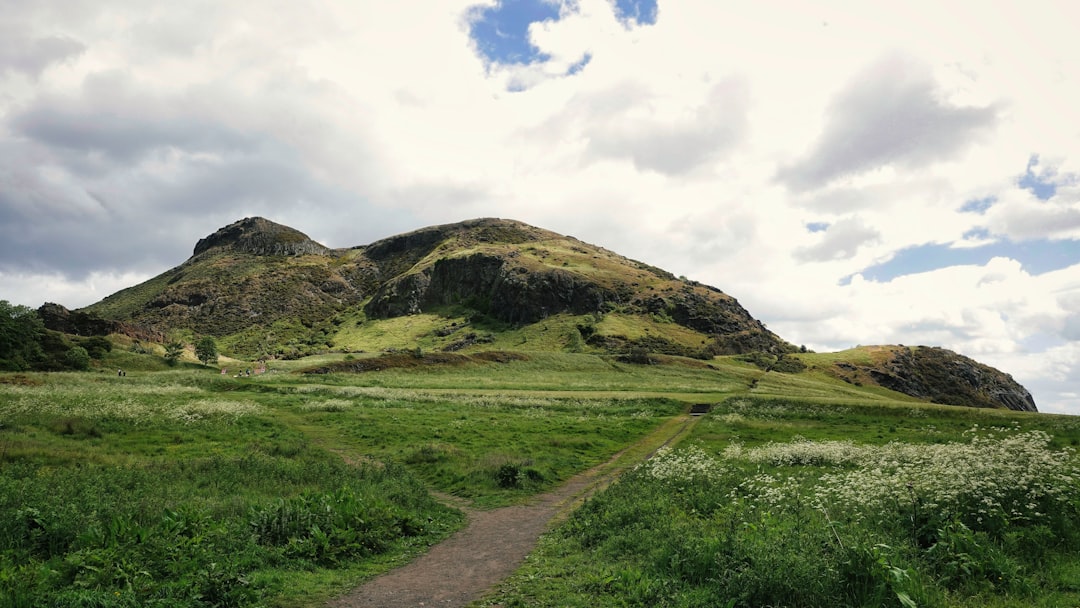
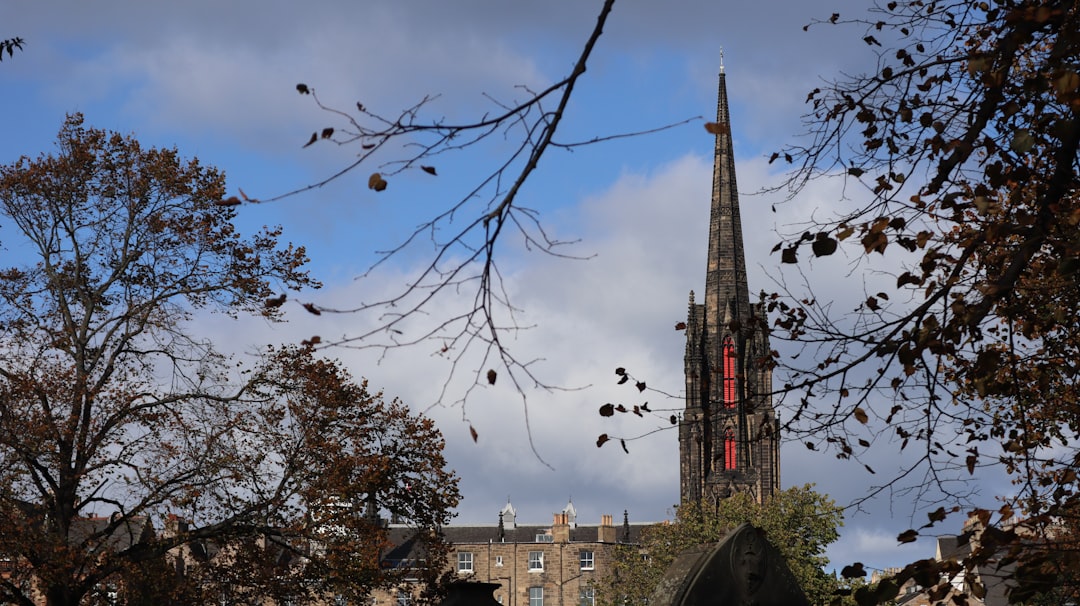
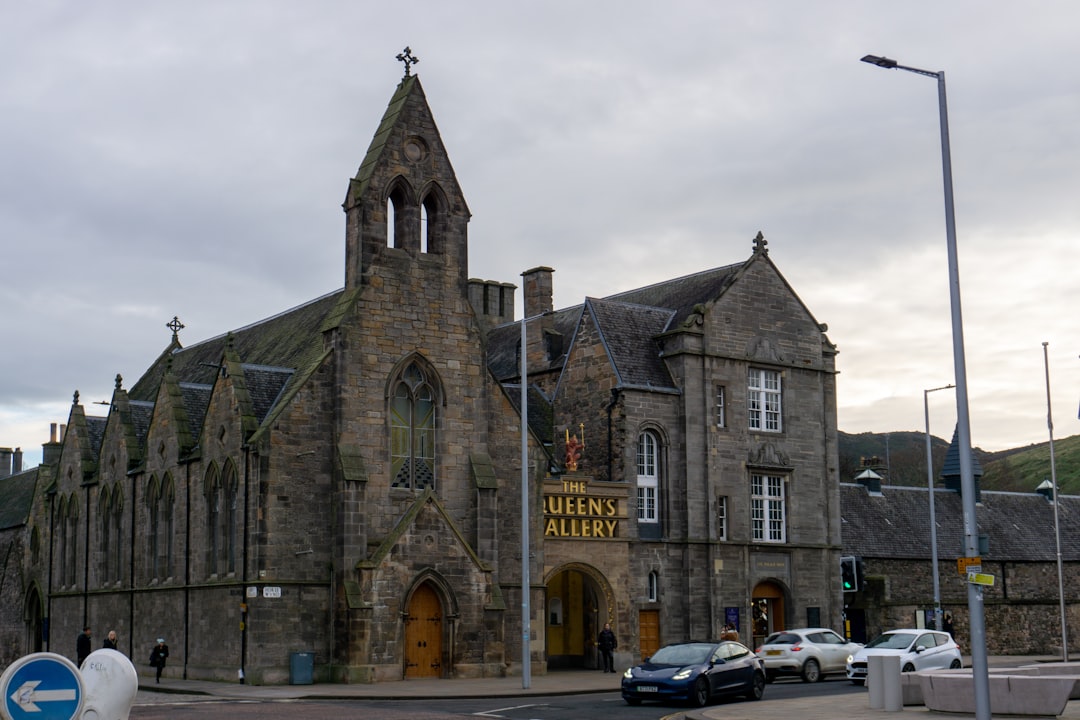
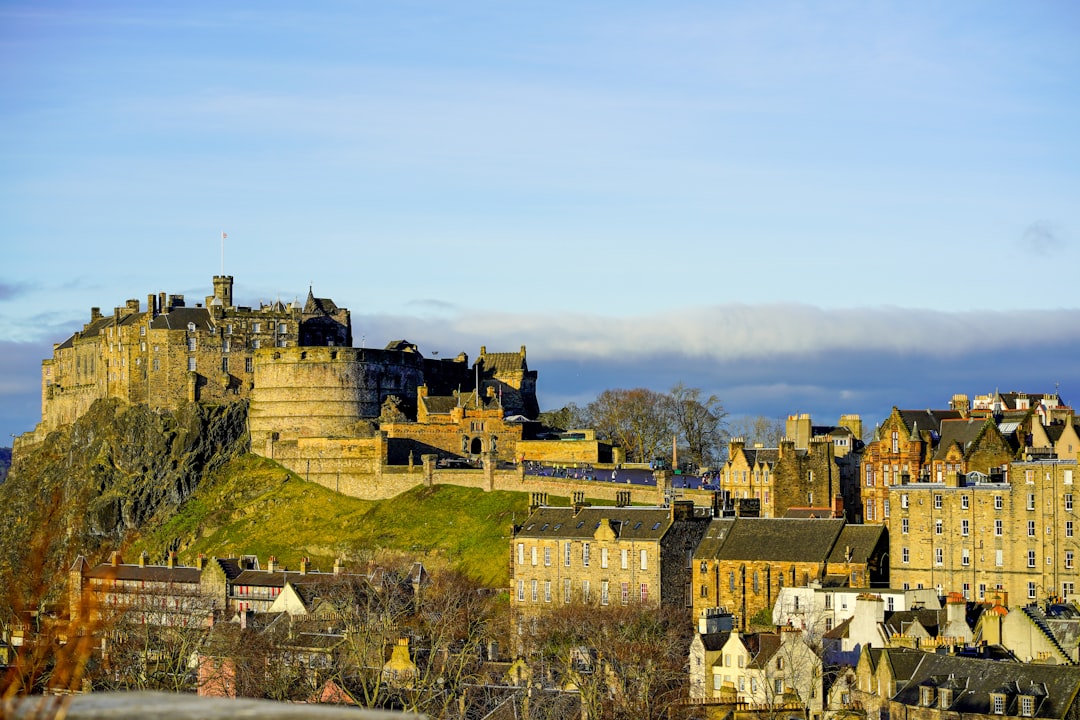
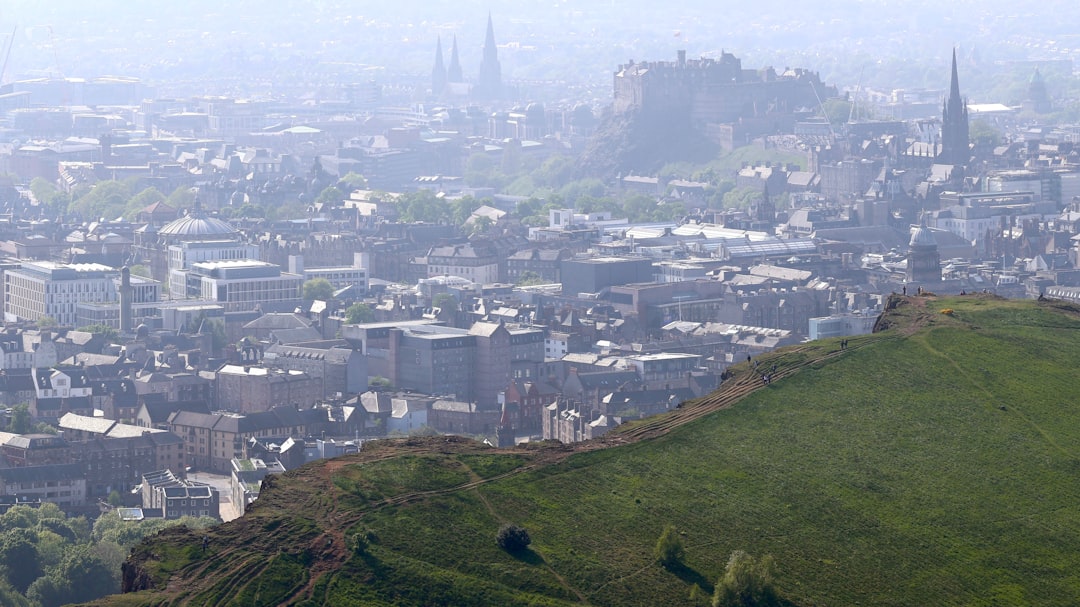
Edinburgh has a massive castle sitting on volcanic rock that you can see from almost everywhere in the city. The Royal Mile runs from the castle down to Holyrood Palace, packed with tourists, street performers, and shops selling tartan everything. It's touristy, but it's also genuinely beautiful. Climb up to Arthur's Seat (an extinct volcano) for views over the city. Visit the National Museum of Scotland (free, and actually interesting). If you're there in August, the Edinburgh Fringe Festival turns the entire city into one massive theater with street performers, comedy shows, and experimental plays in tiny venues.
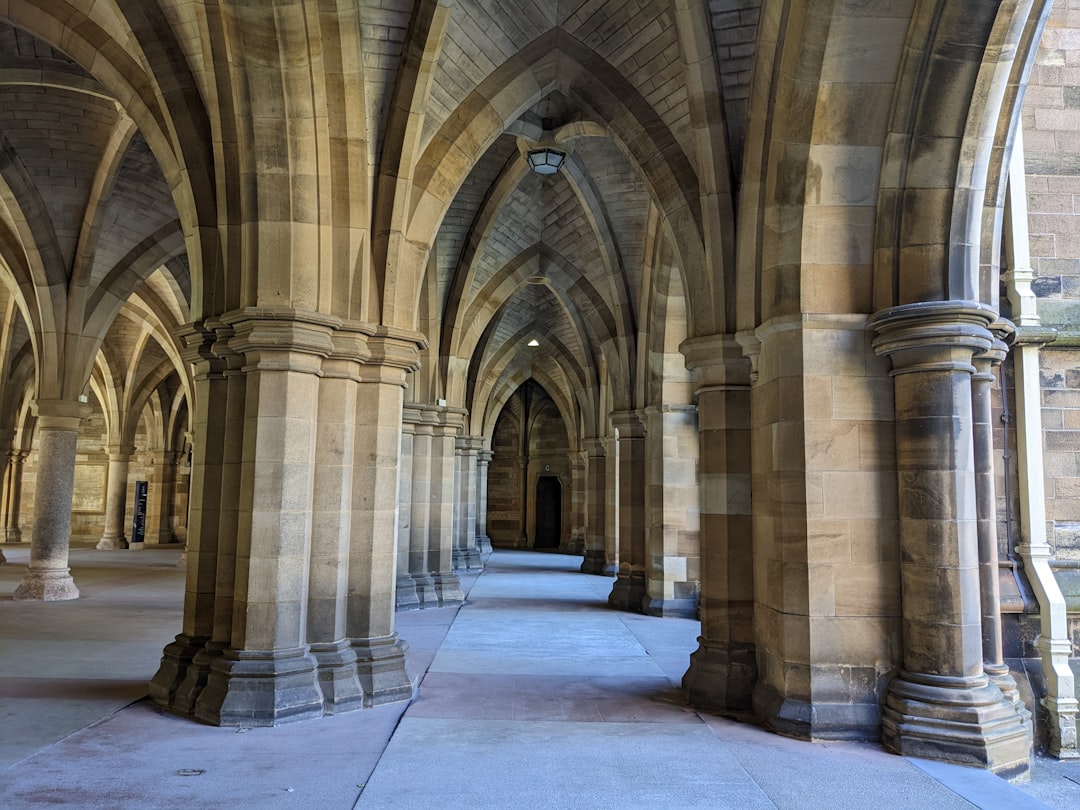
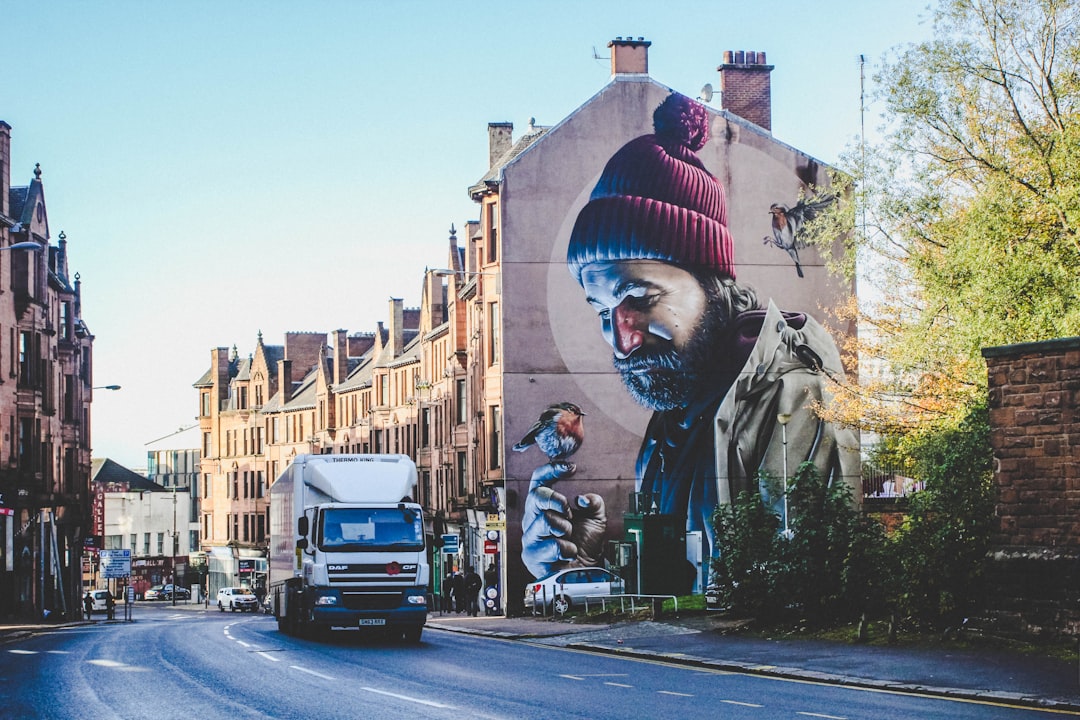
Glasgow is the opposite. It's grittier, more industrial, more working-class. But it has some of the best music venues, street art, and museums in Scotland. The Kelvingrove Art Gallery and Museum is free and worth a few hours. The live music scene is legendary. Tiny pubs with bands playing every night. Glasgow doesn't try to be pretty. It just is what it is.
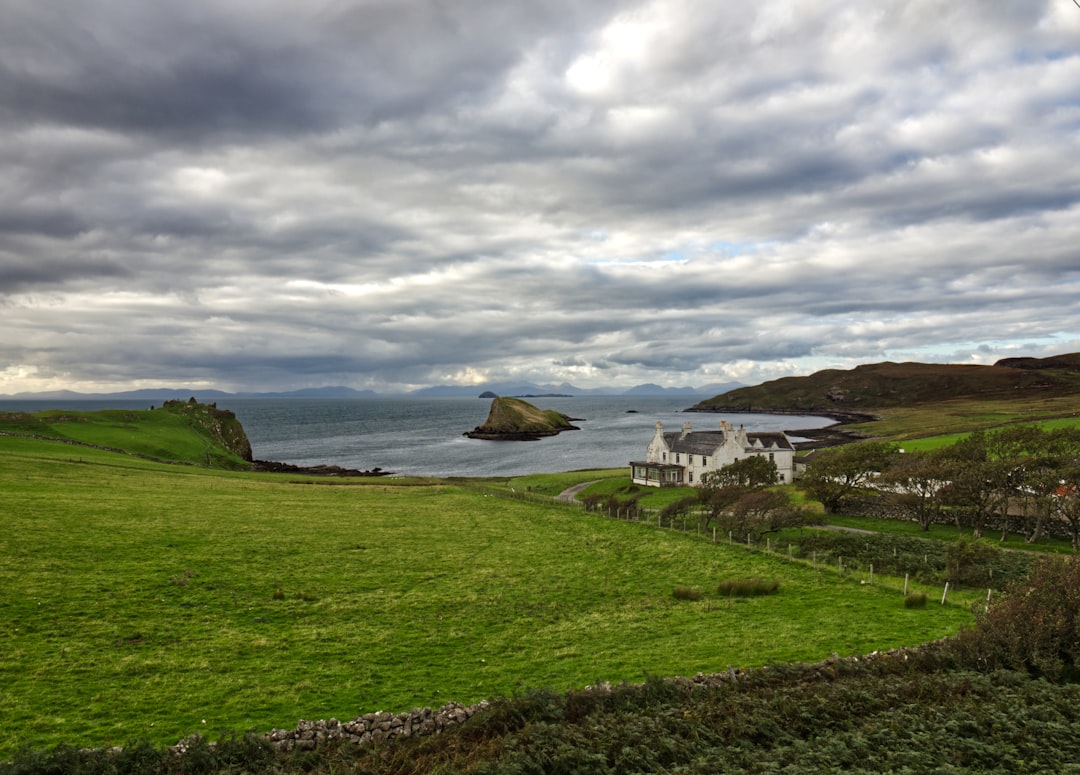
The Highlands are why most people come. Mountains, lochs (lakes), valleys that look like they haven't changed in centuries. It's remote, quiet, and stunningly beautiful. You can drive the North Coast 500 (a scenic route around the northern coast), hike in Glencoe (dramatic mountains and valleys), or visit the Isle of Skye (fairy pools, rugged coastline, dramatic cliffs). The Highlands are where you go to feel small and disconnected from the modern world in the best way possible.
If you have time, take a ferry to one of the islands. The Western Isles (Outer Hebrides), Orkney Islands, and Shetland are remote, windswept, and feel like the edge of the world. Standing stones older than Stonehenge. Tiny villages where Gaelic is still spoken. Peat fires and whisky in local pubs.
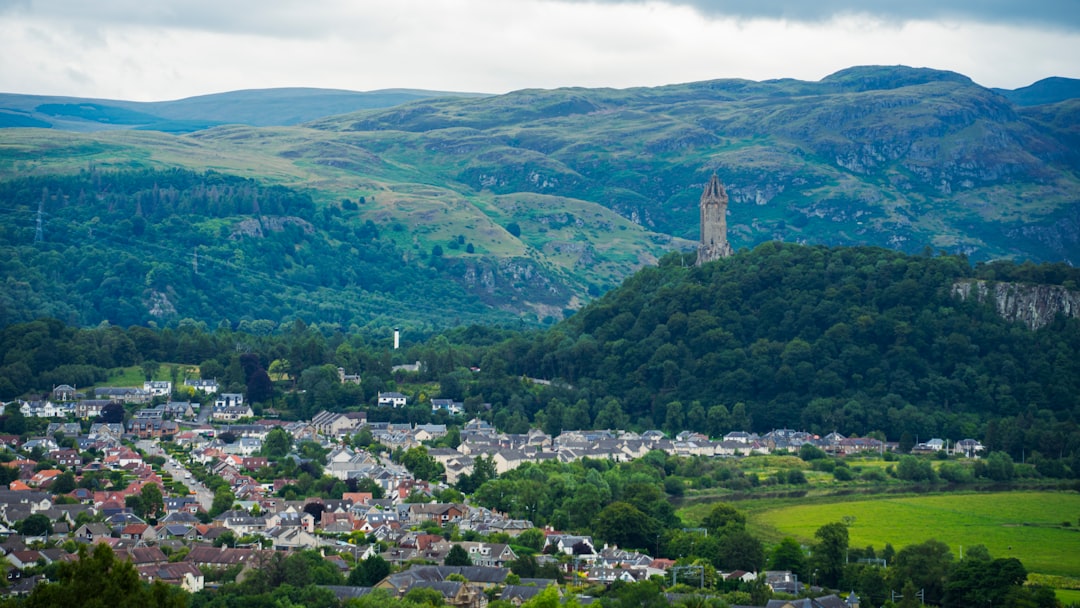
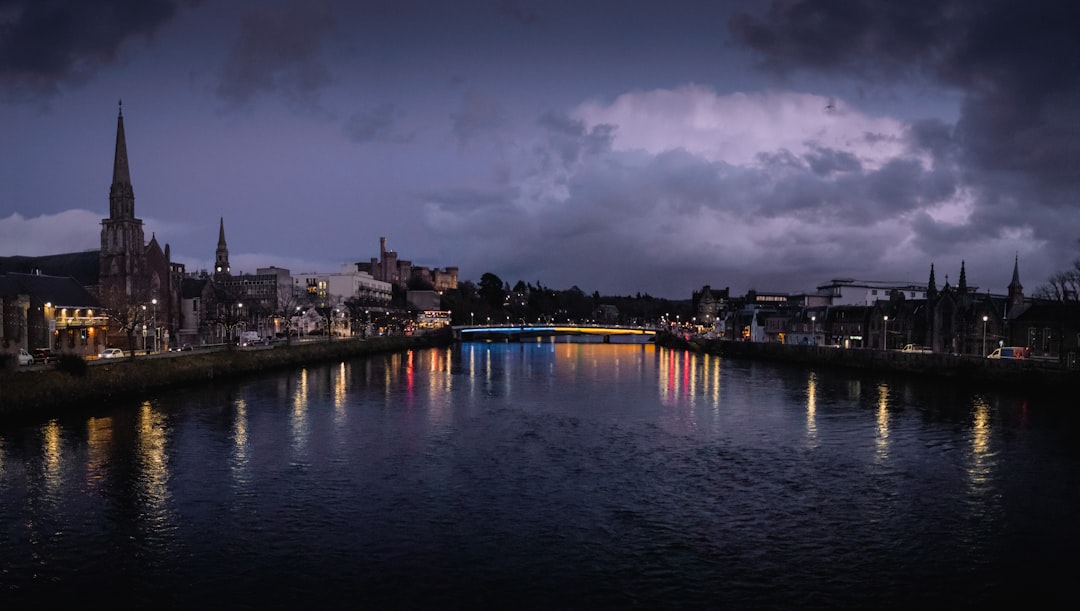
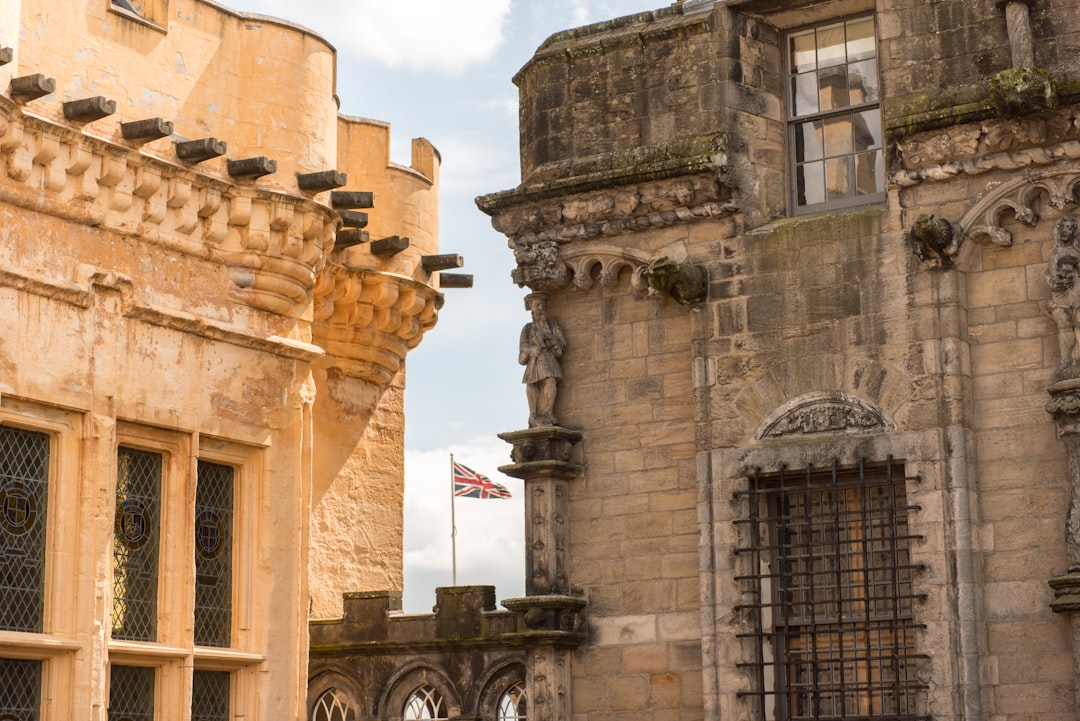
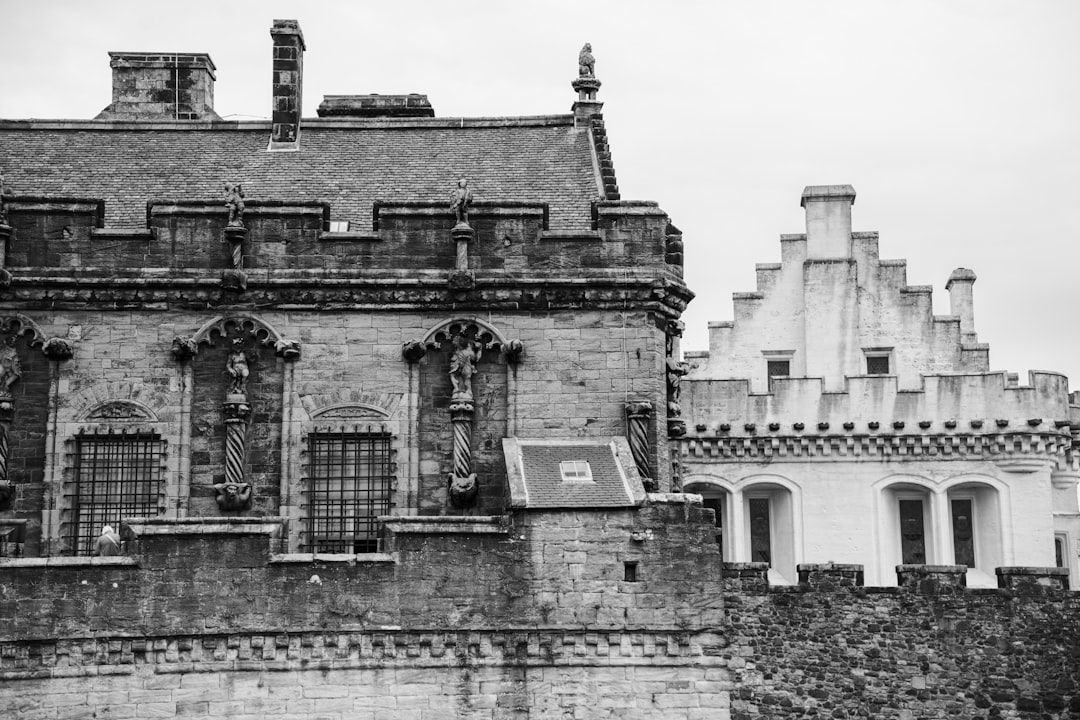
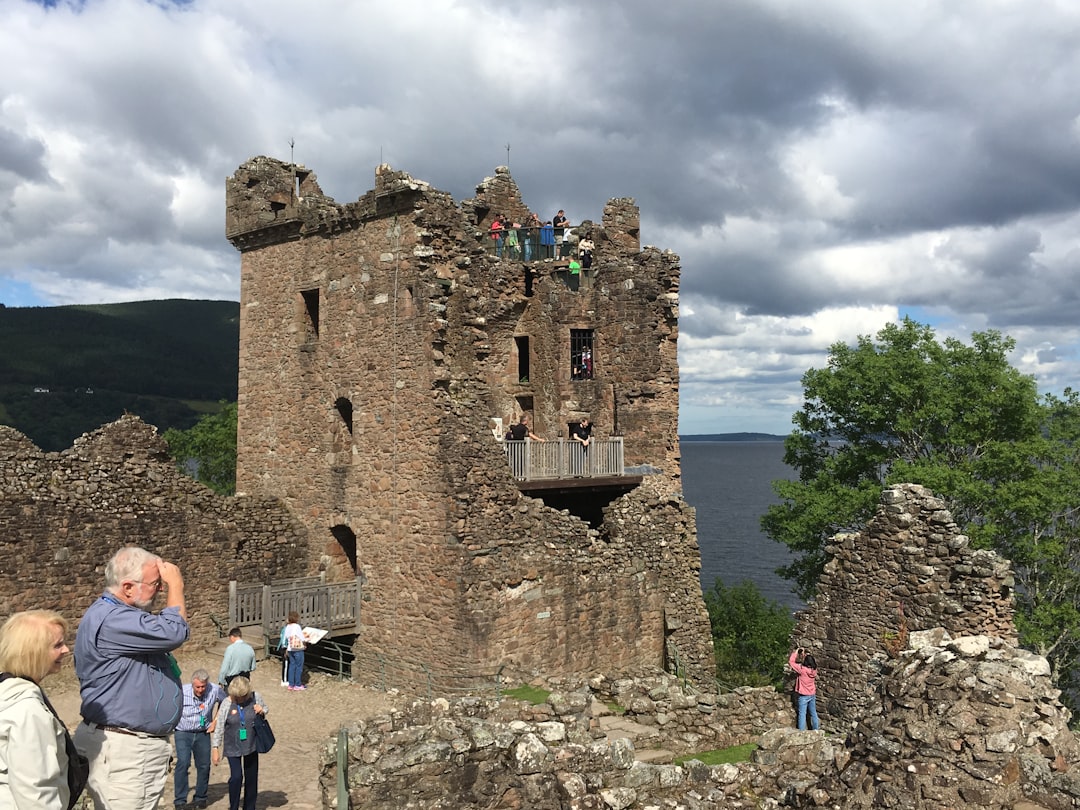
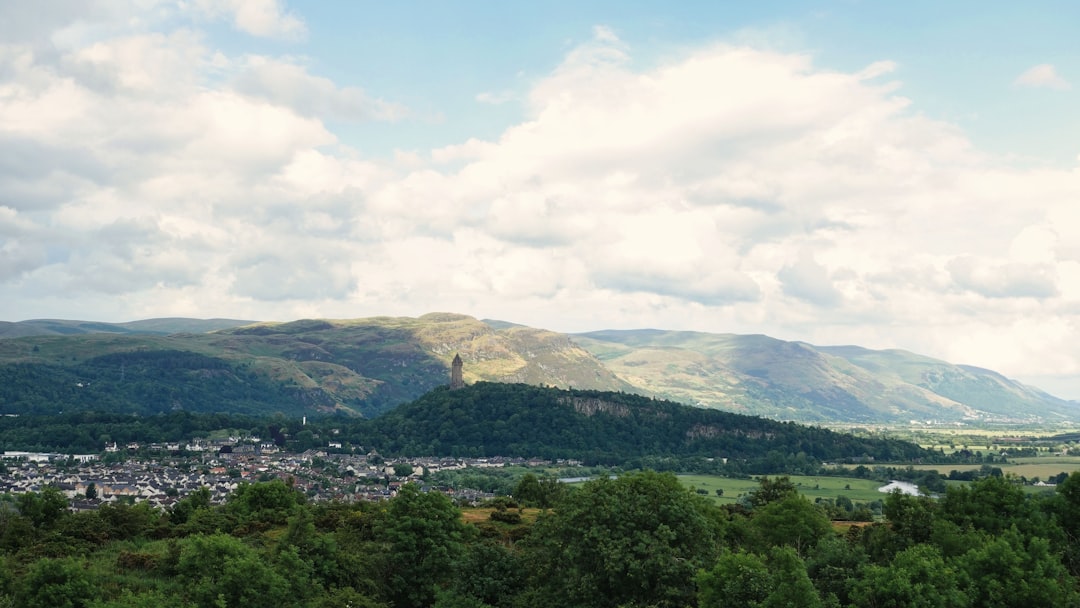
The towns in Scotland are small and charming. Stirling has a castle and the Wallace Monument (yes, Braveheart). Fort William is the gateway to Ben Nevis (the highest peak in the UK). Inverness is the unofficial capital of the Highlands and a good base for exploring Loch Ness (yes, the monster lake).
Scotland is whisky country. Speyside, Islay, and the Highlands are home to dozens of distilleries. If you like whisky (or want to understand why people like whisky), take a distillery tour. You'll taste single malts that you can't get anywhere else.
The weather is famously unpredictable. Rain, wind, and sunshine all in the same day. Sometimes in the same hour. Pack layers. Bring a rain jacket. Don't let the weather stop you. Scots don't, and you shouldn't either.
The food is hearty and filling. Haggis (sheep organs mixed with oats and spices, cooked in a sheep's stomach) sounds terrible but actually tastes good, especially with neeps and tatties (turnips and potatoes). Scottish breakfast is similar to English breakfast (eggs, bacon, sausage, beans, toast, black pudding). Fish and chips are everywhere. And if you're near the coast, the seafood (especially smoked salmon) is incredible.
The people are warm, direct, and funny. The accent can be tough to understand at first (especially in Glasgow), but people are patient and will repeat themselves. Pubs are social hubs. Grab a pint, sit down, and someone will probably strike up a conversation.
Getting around is easy. Trains connect Edinburgh, Glasgow, Stirling, and Inverness. Buses (like Scottish Citylink) go everywhere trains don't. If you want to explore the Highlands or islands, rent a car. Driving is on the left, and the roads can be narrow and winding, but it's worth it for the freedom.
Scotland is more expensive than Eastern Europe but cheaper than Scandinavia or Switzerland. Hostels run $20-30/night. A meal at a pub is $10-15. A pint is $4-6. If you're on a tight budget, you can make it work. Cook your own meals, stay in hostels, take buses instead of trains.
When to go: Summer (June-August) has the best weather and longest daylight (it stays light until 10pm), but it's also the most crowded and expensive. Spring (April-May) and fall (September-October) are less crowded, cheaper, and still beautiful. Just pack for rain. Winter (November-March) is cold, dark (sunset around 4pm), and many Highland attractions close, but Edinburgh and Glasgow are still lively.
Scotland is rugged, beautiful, and unapologetically itself. Go.
Scotland Travel Guide
Scotland has dramatic landscapes, castles, whisky, and a pull that's hard to explain until you've been there. Edinburgh is beautiful and walkable. Glasgow is grittier but has great music and art. The Highlands are mountains, lochs, and tiny villages that feel like another century. The islands are remote and windswept. The weather is unpredictable (pack layers), the people are warm, and the accent takes some getting used to. It's more expensive than Eastern Europe but cheaper than Scandinavia. If you like nature and history, Scotland delivers.
Overview
Scotland Costs
See something wrong or missing? Help update ✏️ costs for Scotland.
💰 Cost Per Day
$244
🎒💵 Cost Per Day - Backpacker
$95
👨👩👧👦💵 Cost Per Day - Family
No data yet — be the first! ✏️
💰🤑 Cost Per Day - Luxury
$625
🛌 Sleeping
$226.61
🏕️ Camping (per Day)
No data yet — be the first! ✏️
🏕️ Camping (per Week)
No data yet — be the first! ✏️
🏕️ Camping (per Month)
No data yet — be the first! ✏️
🍝 Food
$85
🍳 Breakfast (for 1)
$20
👨👩👧👦🍳 Breakfast (family)
$64
🍔 Lunch (for 1)
$22.66
👨👩👧👦🍔 Lunch (family)
$72.51
🍽 Dinner (for 1)
$40.89
👨👩👧👦🍽 Dinner (family)
$130.85
☕️ Coffee
$5.34
🥤 Coca Cola (0.3L)
$1.54
🥪 Sandwich
No data yet — be the first! ✏️
🥖 Bread
$1.18
🍿 Snacks
No data yet — be the first! ✏️
🍺 Beer (0.5L)
$5.97
🍷 Wine (glass)
No data yet — be the first! ✏️
🍾 Wine (bottle)
$13.61
💧 Water (bottle)
$1.82
🍕 Street Food (for 1)
$11.88
🚙 Transportation
$40
🚙 Car Rental (per Day)
No data yet — be the first! ✏️
🚙 Car Rental (per Week)
No data yet — be the first! ✏️
🚙 Car Rental (per Month)
No data yet — be the first! ✏️
🚂🎟️ Train Ticket (single)
No data yet — be the first! ✏️
🚌🎟️ City-to-City Bus Ticket (single)
No data yet — be the first! ✏️
⛽️ Gas/Fuel
No data yet — be the first! ✏️
🚧 Tolls
No data yet — be the first! ✏️
🚊🎟️ City Transit Pass
$4.12
🛬🚌 Airport Transfer
No data yet — be the first! ✏️
📸 Sightseeing
$37
🎟 Museum Entry
No data yet — be the first! ✏️
🏰 Attraction Entry
$20.94
🚶♂️ Guided Tours
No data yet — be the first! ✏️
💶 Other
No data yet — be the first! ✏️
👨💻 Co-working
No data yet — be the first! ✏️
🧼 Laundry
No data yet — be the first! ✏️
💁♂️💶 Tipping
No data yet — be the first! ✏️
📲 Mobile Data (~10GB)
$18.01
🛰️ Luggage Storage / Locker (daily)
No data yet — be the first! ✏️
Scotland Scores
See something wrong or missing? Help update ✏️ scores for Scotland.
🤩 Overall Score
No data yet — be the first! 🗳️
💵 Cost
No data yet — be the first! 🗳️
💵 Income Level
No data yet — be the first! 🗳️
🌡 Temperature (Now)
No data yet — be the first! 🗳️
🌡 Temperature (Average)
No data yet — be the first! 🗳️
🌦 Weather
No data yet — be the first! 🗳️
💧 Humidity (Now)
No data yet — be the first! 🗳️
💧 Humidity (Average)
No data yet — be the first! 🗳️
☔️ Rain (Annual)
No data yet — be the first! 🗳️
☀️ Sunshine (Hours Per Day)
No data yet — be the first! 🗳️
💨 Wind
No data yet — be the first! 🗳️
🦹♂️ Safety
No data yet — be the first! 🗳️
🚙 Traffic Safety
No data yet — be the first! 🗳️
👩🏻 Female Friendly
No data yet — be the first! 🗳️
✌️ Peace (No Wars / Political Conflict)
No data yet — be the first! 🗳️
🎉 Fun
No data yet — be the first! 🗳️
💃 Nightlife
No data yet — be the first! 🗳️
😘 For Singles
No data yet — be the first! 🗳️
👩❤️👨 For Couples
No data yet — be the first! 🗳️
👨👩👧👦 Family Score
No data yet — be the first! 🗳️
🚶♂️ Walkability
No data yet — be the first! 🗳️
🚶♂️ Easy To Get Around
No data yet — be the first! 🗳️
👨🦽 Accessibility
No data yet — be the first! 🗳️
📡 Internet
No data yet — be the first! 🗳️
📡 Free Wifi
No data yet — be the first! 🗳️
👨💻 Co-working Places
No data yet — be the first! 🗳️
❄️ A/C
No data yet — be the first! 🗳️
🏥 Hospitals
No data yet — be the first! 🗳️
😃 Happiness
No data yet — be the first! 🗳️
🤝 Friendliness
No data yet — be the first! 🗳️
🤗 Hospitality
No data yet — be the first! 🗳️
🇬🇧 English Speaking
No data yet — be the first! 🗳️
👱♂️👨🏾 Racial Tolerance
No data yet — be the first! 🗳️
🏳️🌈 LGBTQ+ Friendly
No data yet — be the first! 🗳️
🎓 Education Level
No data yet — be the first! 🗳️
🧹 Clean
No data yet — be the first! 🗳️
👍 Rated By Members
No data yet — be the first! 🗳️
👍 Liked By Eurotriprs
No data yet — be the first! 🗳️
Trip itineraries that include Scotland.
🗓️
75 days
🇪🇺 10
💰 $5,804
💵 $80/day
Summer In Europe
0%
0%
📆 Total Days: 75
🛂 Schengen Days: 39
💰 Total Cost: $5,804
💵 Daily Cost: $80
🇪🇺 Countries: 10
🗓️
17 days
🇪🇺 2
💰 $1,445
💵 $85/day
17-Day United Kingdom Family Roadtrip
0%
0%
📆 Total Days: 17
🛂 Schengen Days: 0
💰 Total Cost: $1,445
💵 Daily Cost: $85
🇪🇺 Countries: 2
Average monthly weather for Scotland
| Monthly Averages | Jan | Feb | Mar | Apr | May | Jun | Jul | Aug | Sep | Oct | Nov | Dec |
|---|---|---|---|---|---|---|---|---|---|---|---|---|
| Weather | ❄️ Snowy | ❄️ Snowy | ❄️ Snowy | 🌦️ Sun & Rain | 🌦️ Sun & Rain | 🌦️ Sun & Rain | 🌦️ Sun & Rain | 🌦️ Sun & Rain | 🌦️ Sun & Rain | 🌧️ Rainy | 🌧️ Rainy | ❄️ Snowy |
| Avg. Temp. | 38° F ⛄️ Cold | 39° F ⛄️ Cold | 41° F ⛄️ Cold | 45° F ⛄️ Cold | 52° F 😰 Cool | 56° F 😰 Cool | 58° F 😰 Cool | 58° F 😰 Cool | 54° F 😰 Cool | 49° F 😰 Cool | 43° F ⛄️ Cold | 40° F ⛄️ Cold |
| Feels Like | 31° F 🥶 Freezing | 32° F ⛄️ Cold | 35° F ⛄️ Cold | 39° F ⛄️ Cold | 48° F 😰 Cool | 54° F 😰 Cool | 57° F 😰 Cool | 56° F 😰 Cool | 52° F 😰 Cool | 45° F ⛄️ Cold | 38° F ⛄️ Cold | 35° F ⛄️ Cold |
| High Temp. | 41° F | 42° F | 46° F | 51° F | 58° F | 62° F | 64° F | 63° F | 59° F | 53° F | 46° F | 43° F |
| Low Temp. | 34° F | 35° F | 36° F | 38° F | 45° F | 50° F | 52° F | 52° F | 49° F | 45° F | 39° F | 37° F |
| Sunrise | 08:36 am | 07:42 am | 06:27 am | 05:07 am | 03:59 am | 03:27 am | 03:51 am | 04:47 am | 05:48 am | 06:51 am | 07:55 am | 08:43 am |
| Sunset | 04:13 pm (16:13) | 05:16 pm (17:16) | 06:20 pm (18:20) | 07:24 pm (19:24) | 08:26 pm (20:26) | 09:05 pm (21:05) | 08:52 pm (20:52) | 07:51 pm (19:51) | 06:33 pm (18:33) | 05:12 pm (17:12) | 04:06 pm (16:06) | 03:40 pm (15:40) |
| Sunlight | ☀️ 2h | ☀️ 3h | ☀️ 5h | ☀️ 8h | ☀️ 9h | ☀️ 9h | ☀️ 9h | ☀️ 8h | ☀️ 6h | ☀️ 4h | ☀️ 3h | ☀️ 1h |
| Sunny Days | 4 | 8 | 14 | 18 | 22 | 21 | 21 | 21 | 16 | 10 | 5 | 1 |
| Clouds | 88% | 87% | 82% | 75% | 76% | 80% | 82% | 81% | 81% | 86% | 86% | 91% |
| Humidity | 💦 94% | 💦 92% | 💦 88% | 💦 83% | 💦 81% | 💦 84% | 💦 85% | 💦 87% | 💦 89% | 💦 92% | 💦 94% | 💦 95% |
| Rain | 4 in. (12 Days) | 4 in. (13 Days) | 4 in. (13 Days) | 2 in. (12 Days) | 4 in. (14 Days) | 5 in. (18 Days) | 5 in. (20 Days) | 6 in. (19 Days) | 5 in. (17 Days) | 7 in. (18 Days) | 6 in. (16 Days) | 5 in. (16 Days) |
| Snow | 17 in. (9 Days) | 20 in. (10 Days) | 13 in. (6 Days) | 5 in. (2 Days) | 1 in. (1 Days) | 0 in. (0 Days) | 0 in. (0 Days) | 0 in. (0 Days) | 0 in. (0 Days) | 0 in. (0 Days) | 5 in. (3 Days) | 14 in. (6 Days) |
| Wind | 7.19 mph | 7.99 mph | 7.22 mph | 6.85 mph | 6.36 mph | 6.73 mph | 6.26 mph | 6.58 mph | 6.98 mph | 7.59 mph | 6.68 mph | 7 mph |
| Last updated on: Apr 2026 | Source: Open Meteo | |||||||||||
⚠️ Weather and climate is for monthly averages for Scotland. Current weather and temperatures might be different on any given day. This table is for planning purposes. Please check current weather forecasts before your trip.

Scotland
A red bridge going across a river under a cloudy sky
Photo by Alpha Perspective on Unsplash


Scotland
Historic building surrounded by autumn trees under cloudy sky
Photo by Lex Brogan on Unsplash


Scotland
Brown concrete building beside body of water during daytime
Photo by Sourav Bhaduri on Unsplash


Scotland
Historic castle perched on a rocky outcrop under clouds
Photo by Maxime Galliot on Unsplash


Scotland
Brown concrete building near river under white clouds and blue sky during daytime
Photo by Cameron Gibson on Unsplash
Cities in Scotland
Rank
1
Daily Cost
$75
Weather Now
🌤️ 48°
Liked?
😀
Edinburgh
Scotland
0%
0%
🌟 Overall
💸 Cost
📡 Internet
🎉 Fun
👮♀️ Safety
Rank
2
Daily Cost
$65
Weather Now
🌤️ 47°
Liked?
😀
Glasgow
Scotland
0%
0%
🌟 Overall
💸 Cost
📡 Internet
🎉 Fun
👮♀️ Safety
Rank
3
Daily Cost
$60
Weather Now
🌤️ 46°
Liked?
😍
Inverness
Scotland
0%
0%
🌟 Overall
💸 Cost
📡 Internet
🎉 Fun
👮♀️ Safety
Rank
4
Daily Cost
$55
Weather Now
🌤️ 47°
Liked?
😀
St Andrews
Scotland
0%
0%
🌟 Overall
💸 Cost
📡 Internet
🎉 Fun
👮♀️ Safety
Rank
5
Daily Cost
$50
Weather Now
🌤️ 47°
Liked?
😀
Stirling
Scotland
0%
0%
🌟 Overall
💸 Cost
📡 Internet
🎉 Fun
👮♀️ Safety
Things to Do in Scotland
Rank
1
Avg Cost
$
Avg Time
1h
Worth It?
😀
Arthur's Seat
Edinburgh, Scotland
0%
0%
🌟 Overall
💸 Cost
📡 Internet
🎉 Fun
👮♀️ Safety
Rank
2
Avg Cost
$
Avg Time
1h
Worth It?
😍
Bannockburn Battlefield
Stirling, Scotland
0%
0%
🌟 Overall
💸 Cost
📡 Internet
🎉 Fun
👮♀️ Safety
Rank
3
Avg Cost
$
Avg Time
1h
Worth It?
😍
British Golf Museum
St Andrews, Scotland
0%
0%
🌟 Overall
💸 Cost
📡 Internet
🎉 Fun
👮♀️ Safety
Rank
4
Avg Cost
$
Avg Time
1h
Worth It?
😍
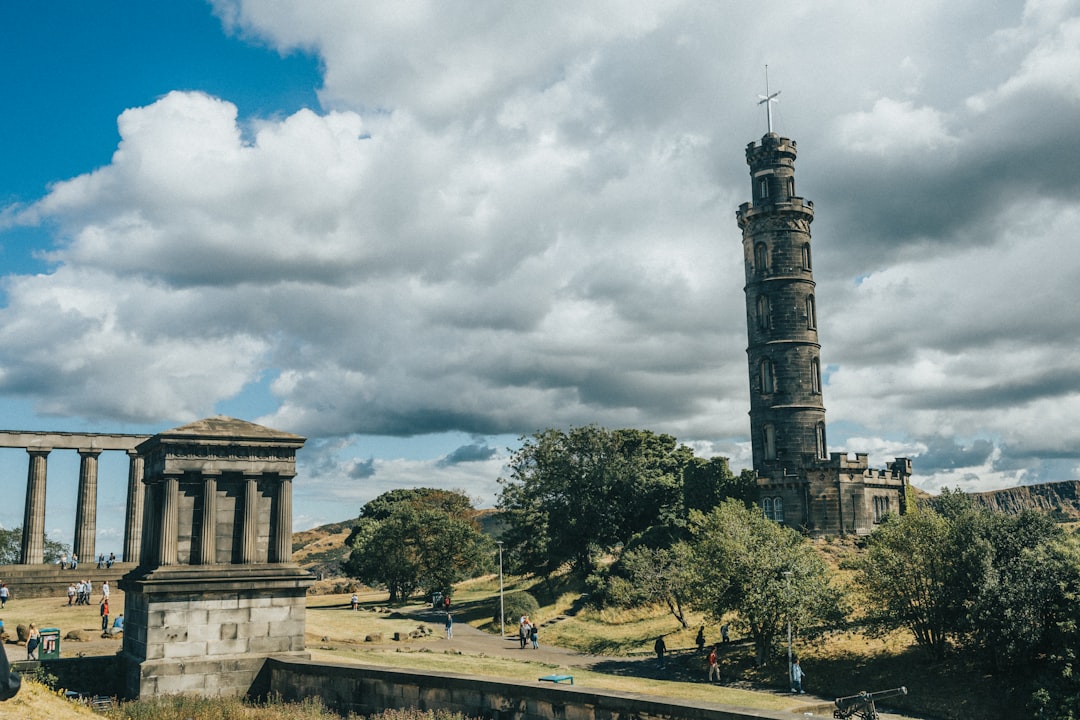
Calton Hill
Edinburgh, Scotland
0%
0%
🌟 Overall
💸 Cost
📡 Internet
🎉 Fun
👮♀️ Safety
Rank
5
Avg Cost
$
Avg Time
1h
Worth It?
😀
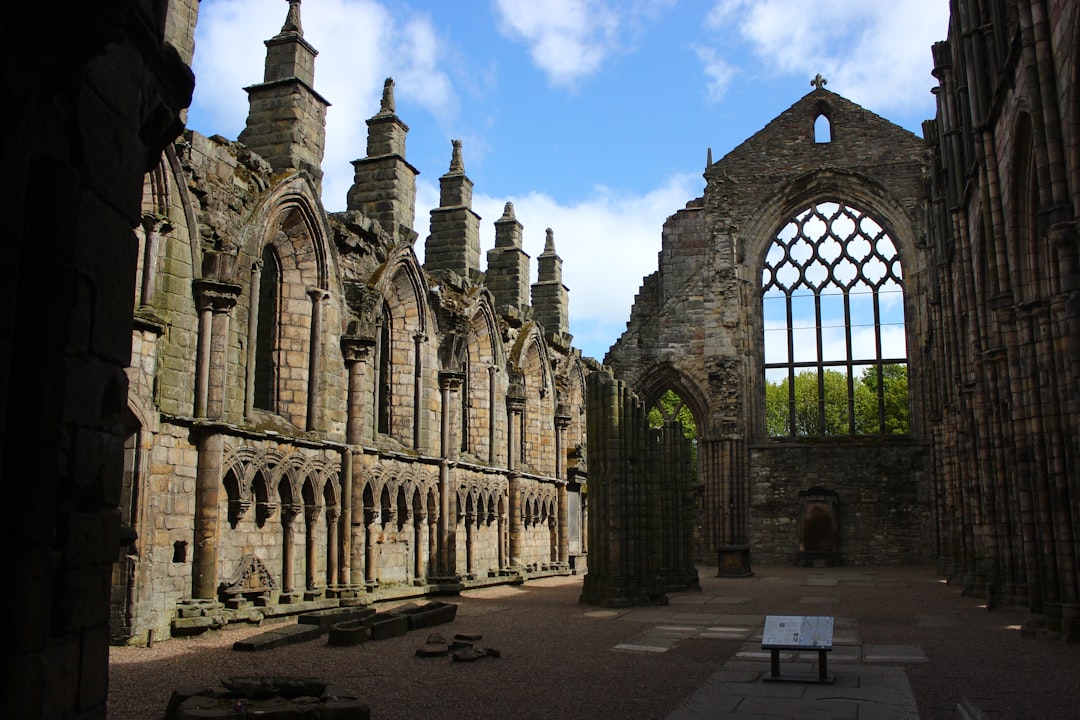
Cambuskenneth Abbey
Stirling, Scotland
0%
0%
🌟 Overall
💸 Cost
📡 Internet
🎉 Fun
👮♀️ Safety
Rank
6
Avg Cost
$
Avg Time
1h
Worth It?
😍
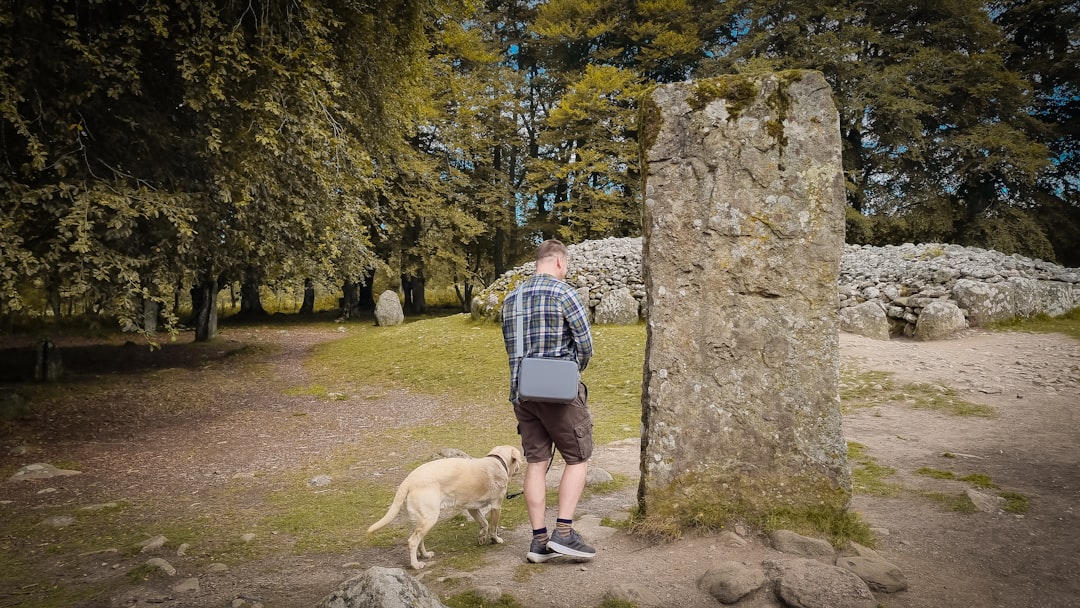
Clava Cairns
Inverness, Scotland
0%
0%
🌟 Overall
💸 Cost
📡 Internet
🎉 Fun
👮♀️ Safety
Rank
7
Avg Cost
$
Avg Time
1h
Worth It?
😀
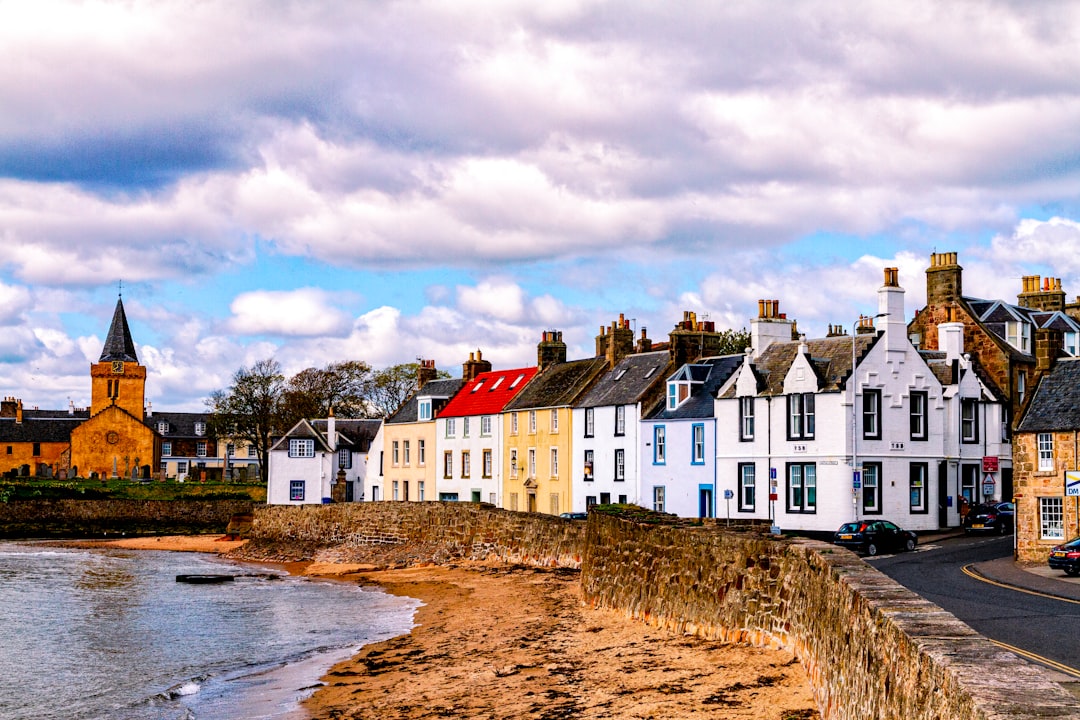
Crail Harbour And Village
St Andrews, Scotland
0%
0%
🌟 Overall
💸 Cost
📡 Internet
🎉 Fun
👮♀️ Safety
Rank
8
Avg Cost
$
Avg Time
1h
Worth It?
😍
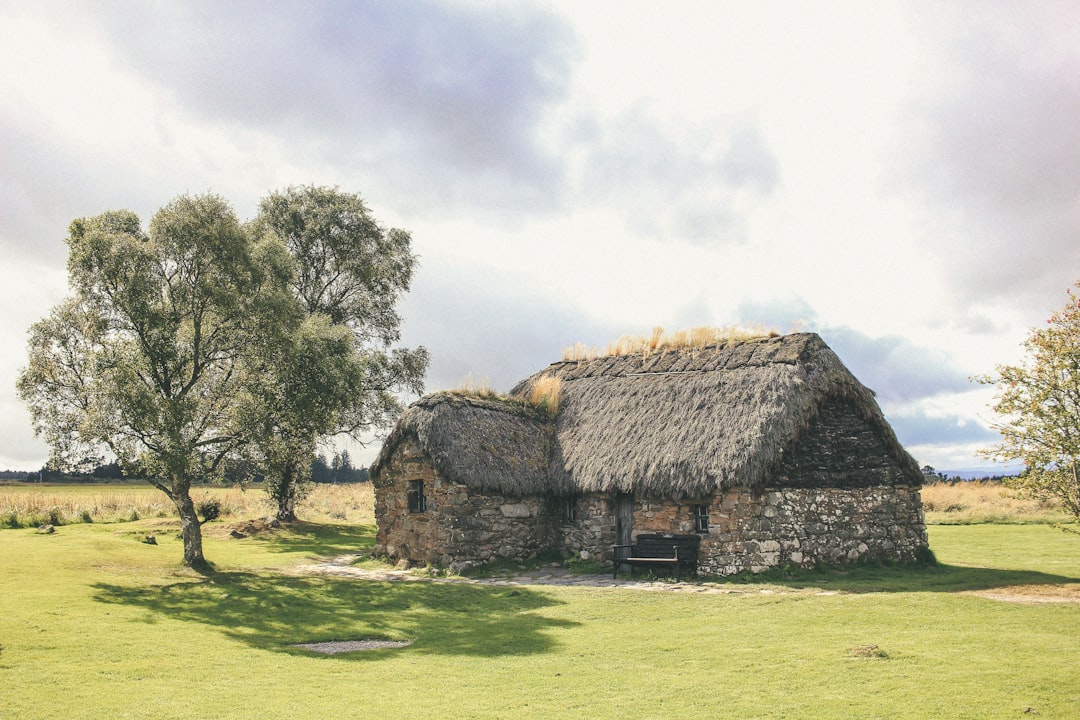
Culloden Battlefield
Inverness, Scotland
0%
0%
🌟 Overall
💸 Cost
📡 Internet
🎉 Fun
👮♀️ Safety
Rank
9
Avg Cost
$
Avg Time
1h
Worth It?
😀
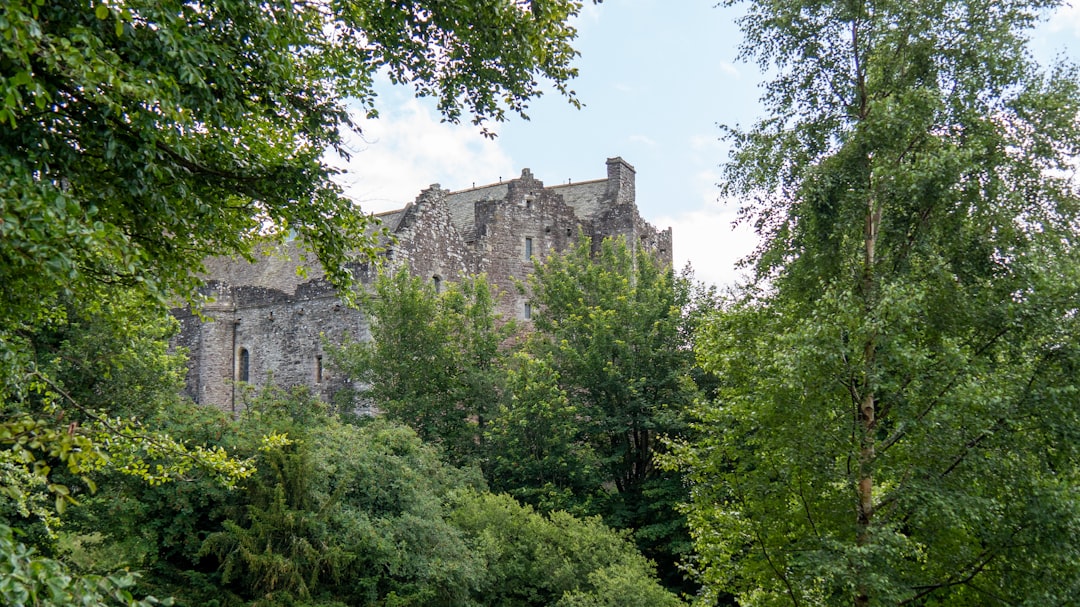
Doune Castle
Stirling, Scotland
0%
0%
🌟 Overall
💸 Cost
📡 Internet
🎉 Fun
👮♀️ Safety
Rank
10
Avg Cost
$
Avg Time
1h
Worth It?
😀
Dunblane Cathedral
Stirling, Scotland
0%
0%
🌟 Overall
💸 Cost
📡 Internet
🎉 Fun
👮♀️ Safety
Rank
11
Avg Cost
$
Avg Time
1h
Worth It?
😀
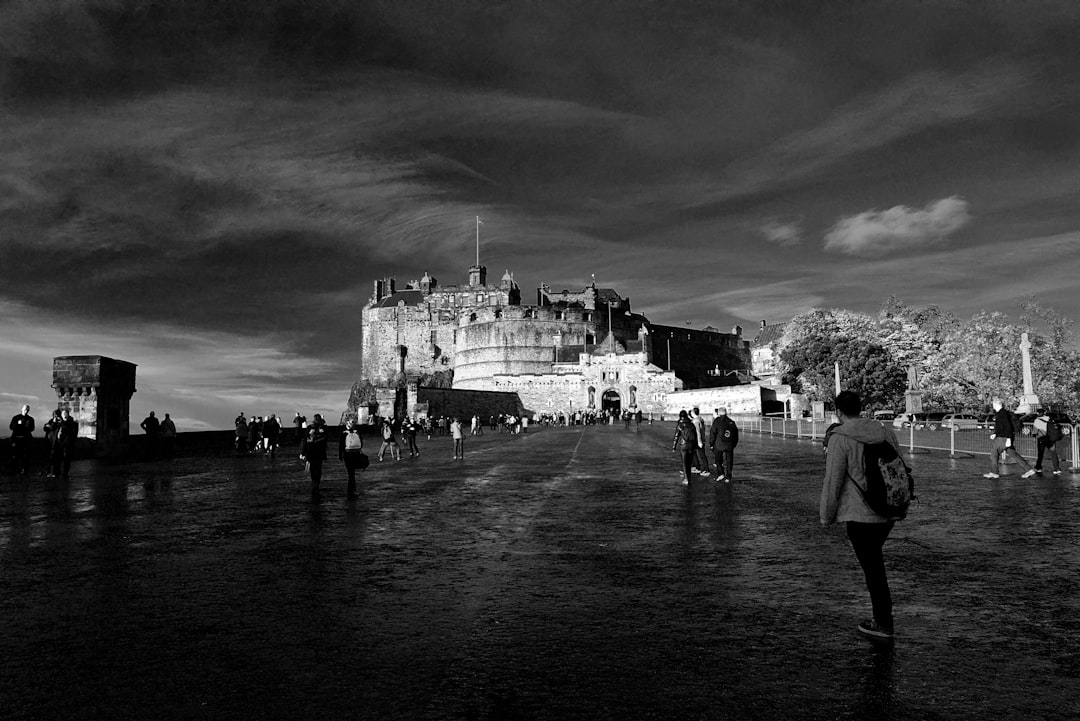
Edinburgh Castle
Edinburgh, Scotland
0%
0%
🌟 Overall
💸 Cost
📡 Internet
🎉 Fun
👮♀️ Safety
Rank
12
Avg Cost
$
Avg Time
1h
Worth It?
🤩
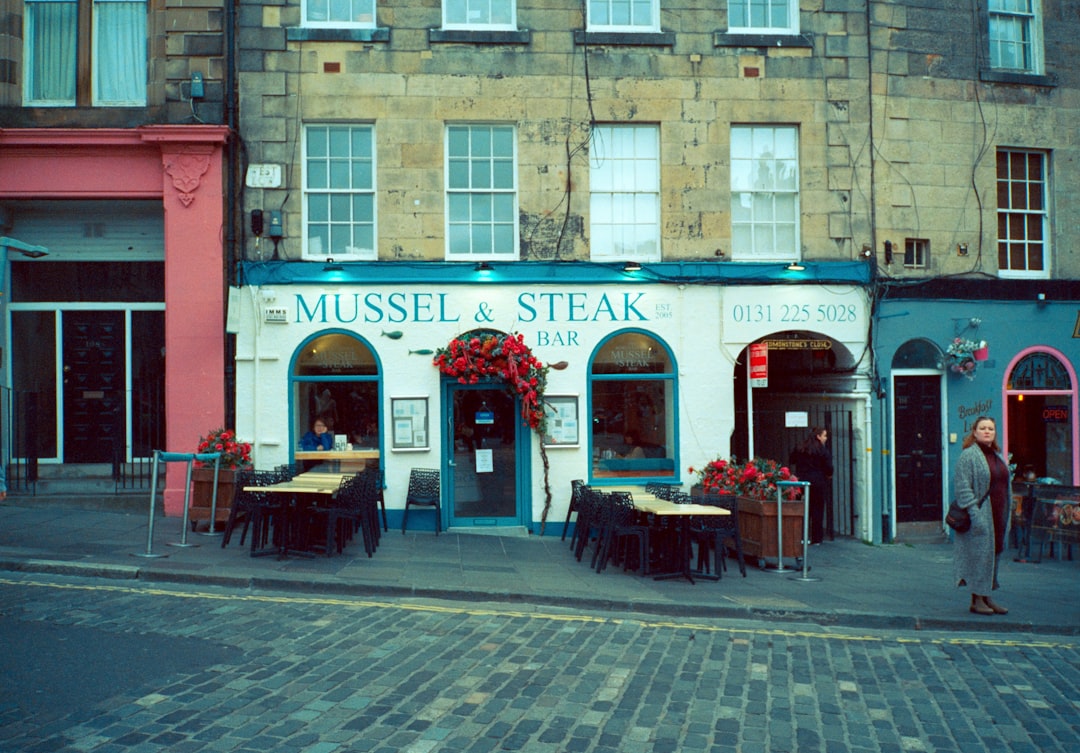
Finnieston And The West End Food Scene
Glasgow, Scotland
0%
0%
🌟 Overall
💸 Cost
📡 Internet
🎉 Fun
👮♀️ Safety
Rank
13
Avg Cost
$
Avg Time
1h
Worth It?
😍
Glasgow Cathedral
Glasgow, Scotland
0%
0%
🌟 Overall
💸 Cost
📡 Internet
🎉 Fun
👮♀️ Safety
Rank
14
Avg Cost
$
Avg Time
1h
Worth It?
😍
Greyfriars Kirkyard
Edinburgh, Scotland
0%
0%
🌟 Overall
💸 Cost
📡 Internet
🎉 Fun
👮♀️ Safety
Rank
15
Avg Cost
$
Avg Time
1h
Worth It?
😀
Inverness Castle
Inverness, Scotland
0%
0%
🌟 Overall
💸 Cost
📡 Internet
🎉 Fun
👮♀️ Safety
Rank
16
Avg Cost
$
Avg Time
1h
Worth It?
😀
Inverness Museum And Art Gallery
Inverness, Scotland
0%
0%
🌟 Overall
💸 Cost
📡 Internet
🎉 Fun
👮♀️ Safety
Rank
17
Avg Cost
$
Avg Time
1h
Worth It?
😀
Kelvingrove Art Gallery And Museum
Glasgow, Scotland
0%
0%
🌟 Overall
💸 Cost
📡 Internet
🎉 Fun
👮♀️ Safety
Rank
18
Avg Cost
$
Avg Time
1h
Worth It?
😀
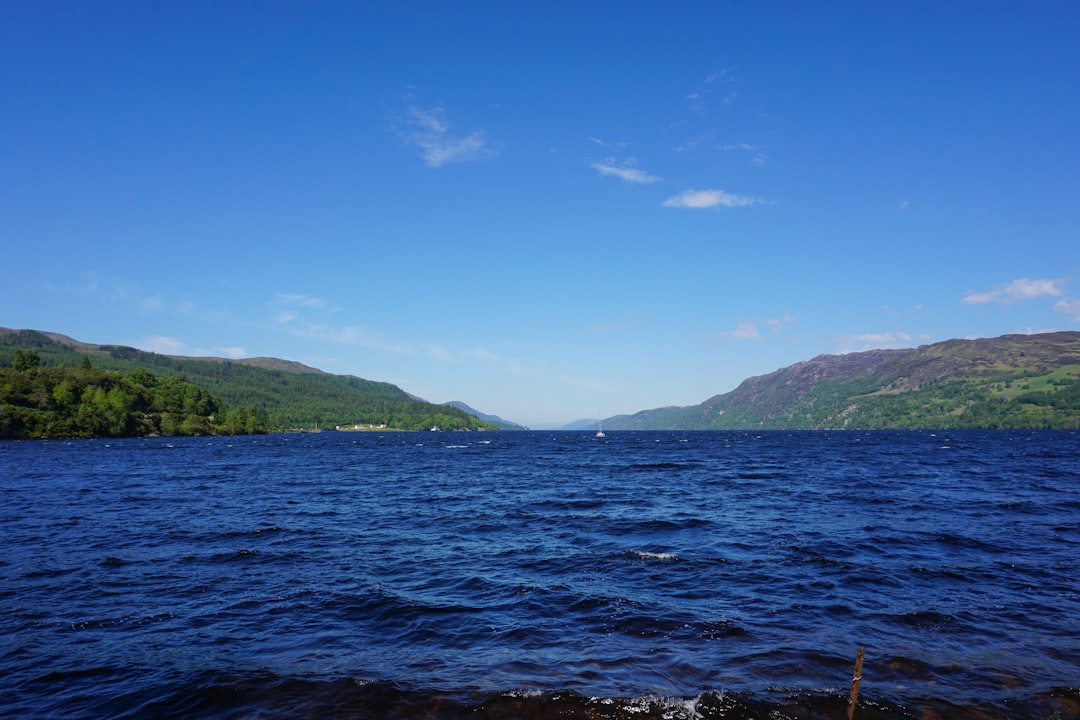
Loch Ness
Inverness, Scotland
0%
0%
🌟 Overall
💸 Cost
📡 Internet
🎉 Fun
👮♀️ Safety
Rank
19
Avg Cost
$
Avg Time
1h
Worth It?
😍
Mackintosh At The Willow
Glasgow, Scotland
0%
0%
🌟 Overall
💸 Cost
📡 Internet
🎉 Fun
👮♀️ Safety
Rank
20
Avg Cost
$
Avg Time
1h
Worth It?
😀
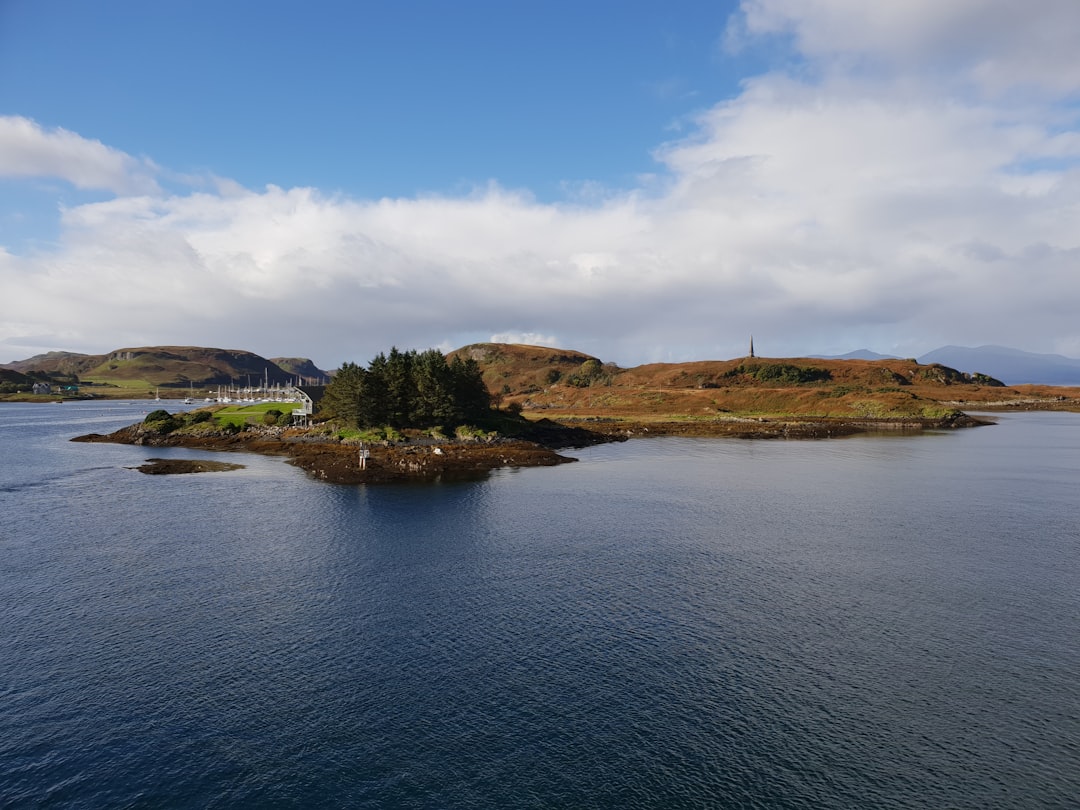
Ness Islands
Inverness, Scotland
0%
0%
🌟 Overall
💸 Cost
📡 Internet
🎉 Fun
👮♀️ Safety
Rank
21
Avg Cost
$
Avg Time
1h
Worth It?
😍
Pollok Country Park And Burrell Collection
Glasgow, Scotland
0%
0%
🌟 Overall
💸 Cost
📡 Internet
🎉 Fun
👮♀️ Safety
Rank
22
Avg Cost
$
Avg Time
1h
Worth It?
😀
Real Mary King's Close
Edinburgh, Scotland
0%
0%
🌟 Overall
💸 Cost
📡 Internet
🎉 Fun
👮♀️ Safety
Rank
23
Avg Cost
$
Avg Time
1h
Worth It?
😀
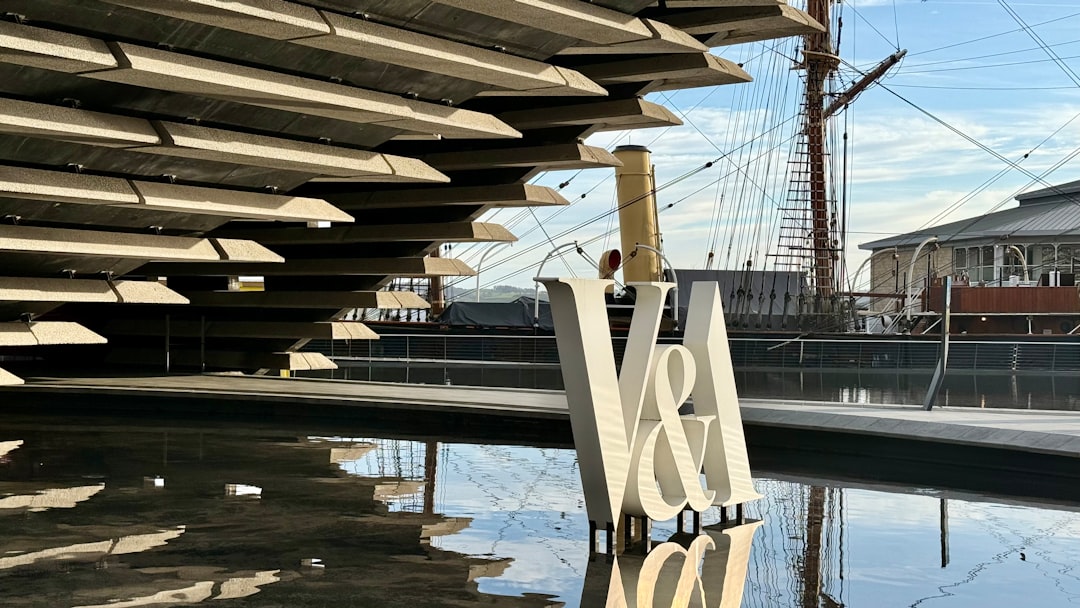
Riverside Museum
Glasgow, Scotland
0%
0%
🌟 Overall
💸 Cost
📡 Internet
🎉 Fun
👮♀️ Safety
Rank
24
Avg Cost
$
Avg Time
1h
Worth It?
😍
Scottish National Museum
Edinburgh, Scotland
0%
0%
🌟 Overall
💸 Cost
📡 Internet
🎉 Fun
👮♀️ Safety
Rank
25
Avg Cost
$
Avg Time
1h
Worth It?
🤩
Sharmanka Kinetic Theatre
Glasgow, Scotland
0%
0%
🌟 Overall
💸 Cost
📡 Internet
🎉 Fun
👮♀️ Safety
Rank
26
Avg Cost
$
Avg Time
1h
Worth It?
😀
St Andrews Castle
St Andrews, Scotland
0%
0%
🌟 Overall
💸 Cost
📡 Internet
🎉 Fun
👮♀️ Safety
Rank
27
Avg Cost
$
Avg Time
1h
Worth It?
😍
St Andrews Cathedral
St Andrews, Scotland
0%
0%
🌟 Overall
💸 Cost
📡 Internet
🎉 Fun
👮♀️ Safety
Rank
28
Avg Cost
$
Avg Time
1h
Worth It?
😀
St Andrews University Chapel
St Andrews, Scotland
0%
0%
🌟 Overall
💸 Cost
📡 Internet
🎉 Fun
👮♀️ Safety
Rank
29
Avg Cost
$
Avg Time
1h
Worth It?
😀
Stirling Castle
Stirling, Scotland
0%
0%
🌟 Overall
💸 Cost
📡 Internet
🎉 Fun
👮♀️ Safety
Rank
30
Avg Cost
$
Avg Time
1h
Worth It?
😀
Stirling Old Town Jail
Stirling, Scotland
0%
0%
🌟 Overall
💸 Cost
📡 Internet
🎉 Fun
👮♀️ Safety
Rank
31
Avg Cost
$
Avg Time
1h
Worth It?
😀
The Church Of The Holy Rude
Stirling, Scotland
0%
0%
🌟 Overall
💸 Cost
📡 Internet
🎉 Fun
👮♀️ Safety
Rank
32
Avg Cost
$
Avg Time
1h
Worth It?
😍
The Necropolis
Glasgow, Scotland
0%
0%
🌟 Overall
💸 Cost
📡 Internet
🎉 Fun
👮♀️ Safety
Rank
33
Avg Cost
$
Avg Time
1h
Worth It?
😀
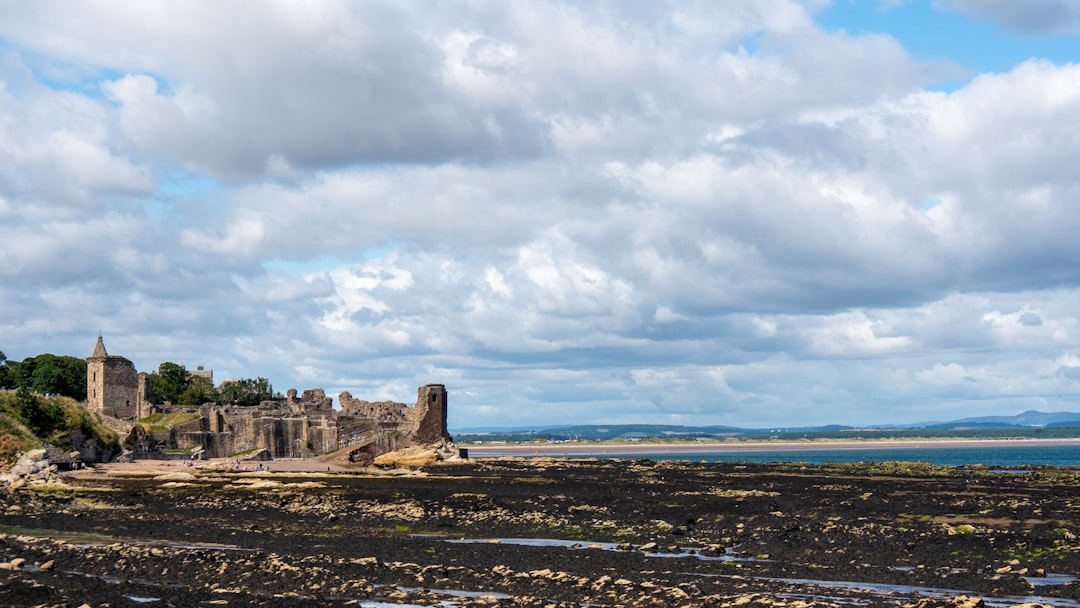
The Old Course At St Andrews
St Andrews, Scotland
0%
0%
🌟 Overall
💸 Cost
📡 Internet
🎉 Fun
👮♀️ Safety
Rank
34
Avg Cost
$
Avg Time
1h
Worth It?
😍
The Royal Mile
Edinburgh, Scotland
0%
0%
🌟 Overall
💸 Cost
📡 Internet
🎉 Fun
👮♀️ Safety
Rank
35
Avg Cost
$
Avg Time
1h
Worth It?
😍
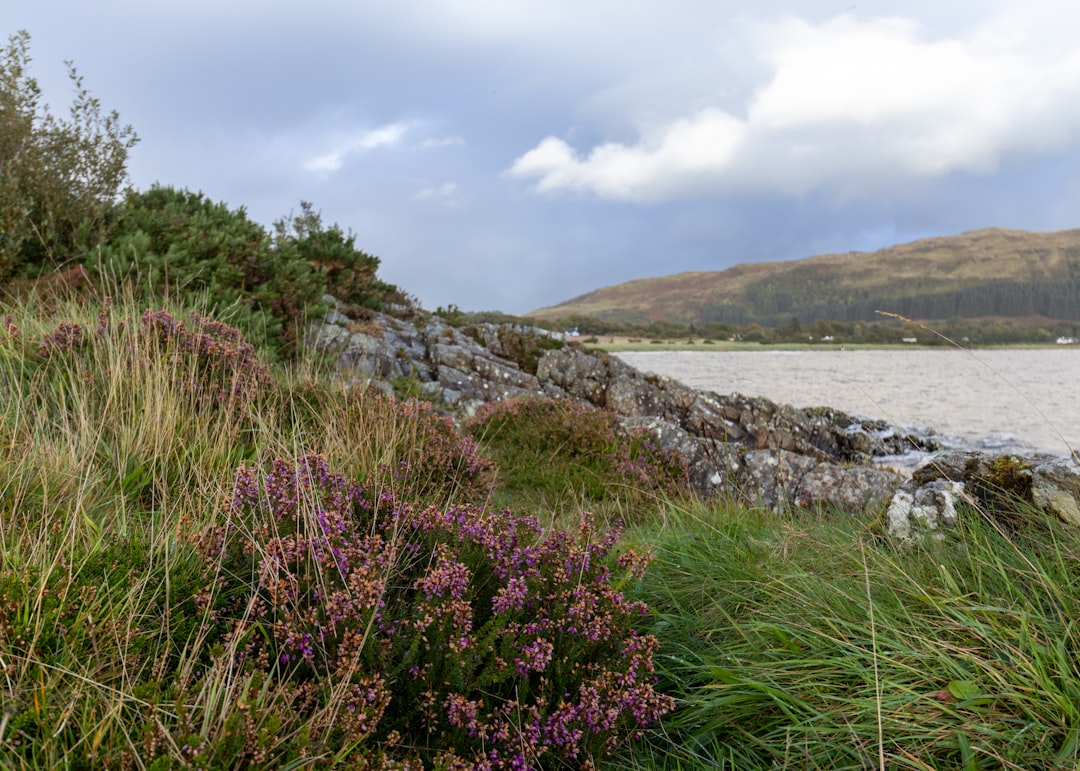
The Scores Coastal Walk
St Andrews, Scotland
0%
0%
🌟 Overall
💸 Cost
📡 Internet
🎉 Fun
👮♀️ Safety
Rank
36
Avg Cost
$
Avg Time
1h
Worth It?
😀
Urquhart Castle
Inverness, Scotland
0%
0%
🌟 Overall
💸 Cost
📡 Internet
🎉 Fun
👮♀️ Safety
Rank
37
Avg Cost
$
Avg Time
1h
Worth It?
😍
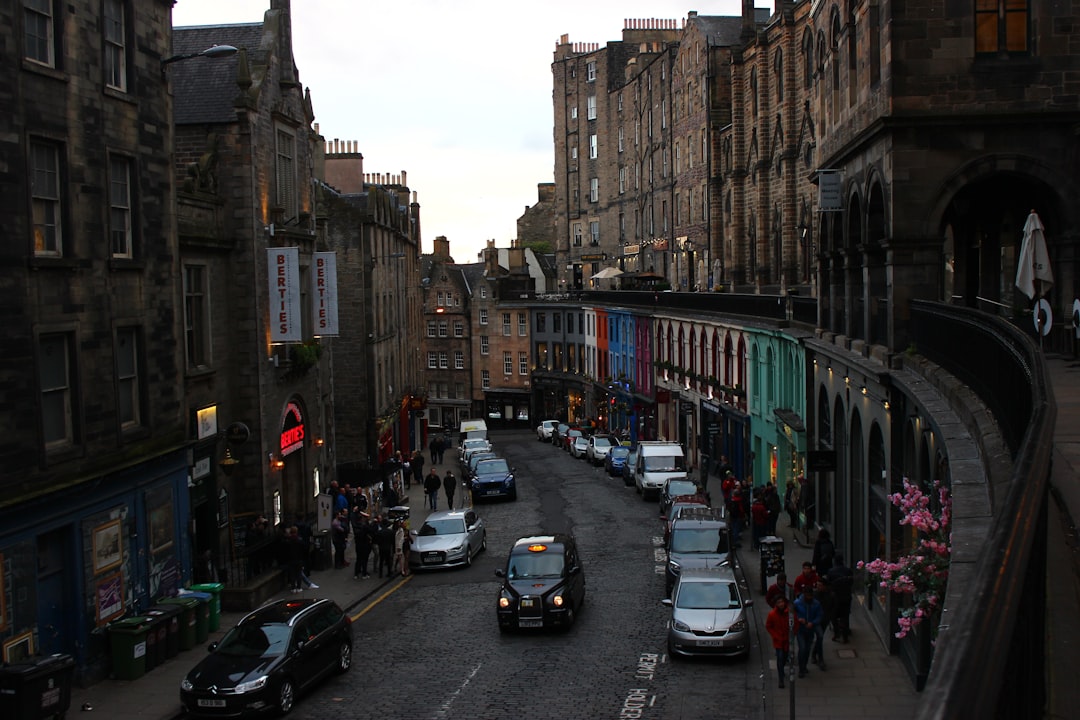
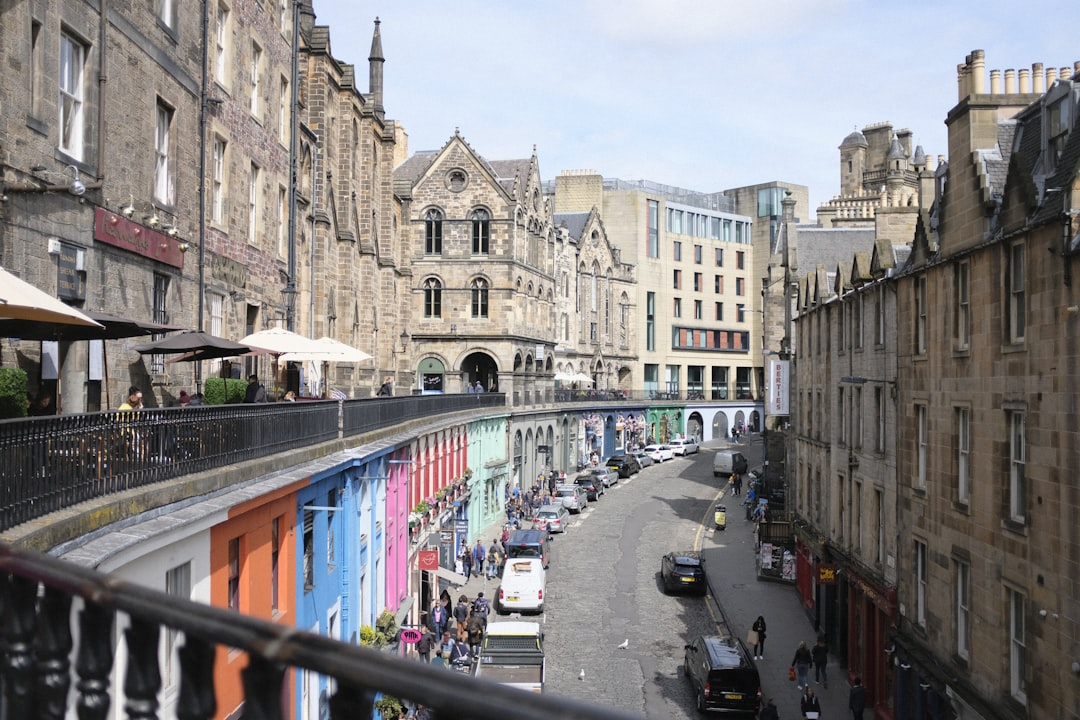
Victoria Street
Edinburgh, Scotland
0%
0%
🌟 Overall
💸 Cost
📡 Internet
🎉 Fun
👮♀️ Safety
Rank
38
Avg Cost
$
Avg Time
1h
Worth It?
😀
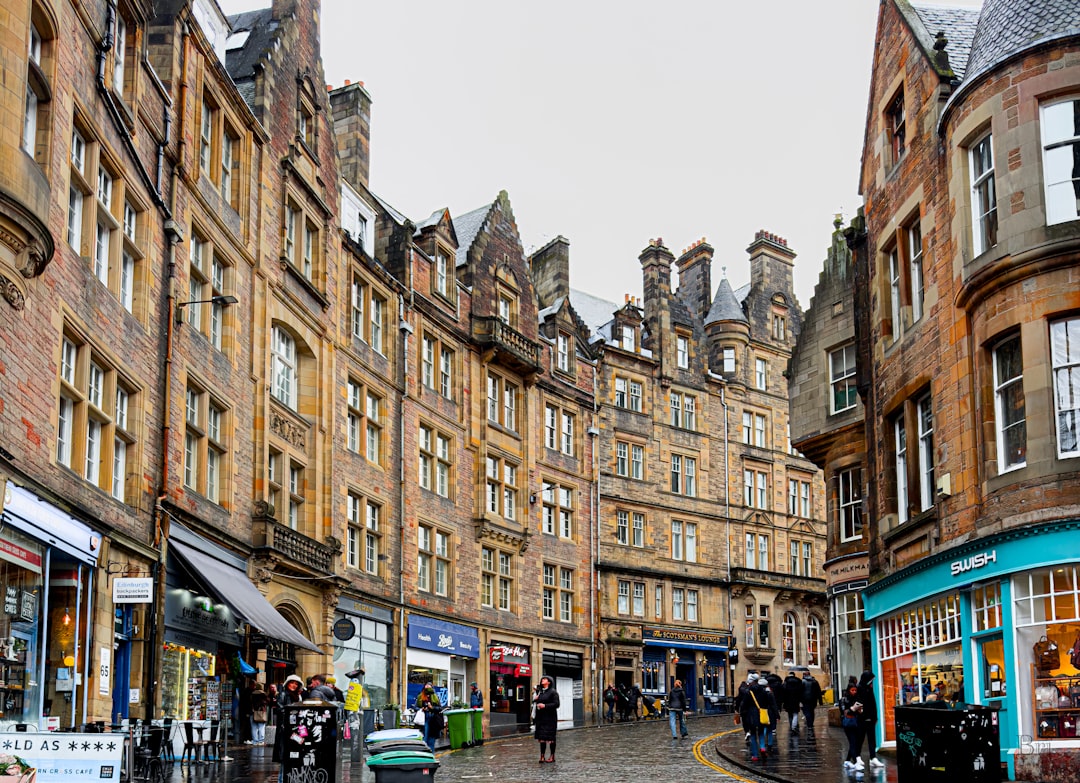
Victorian Market Inverness
Inverness, Scotland
0%
0%
🌟 Overall
💸 Cost
📡 Internet
🎉 Fun
👮♀️ Safety
Rank
39
Avg Cost
$
Avg Time
1h
Worth It?
😍
Wallace Monument
Stirling, Scotland
0%
0%
🌟 Overall
💸 Cost
📡 Internet
🎉 Fun
👮♀️ Safety
Rank
40
Avg Cost
$
Avg Time
1h
Worth It?
😍
West Sands Beach
St Andrews, Scotland
0%
0%