 EuroTripr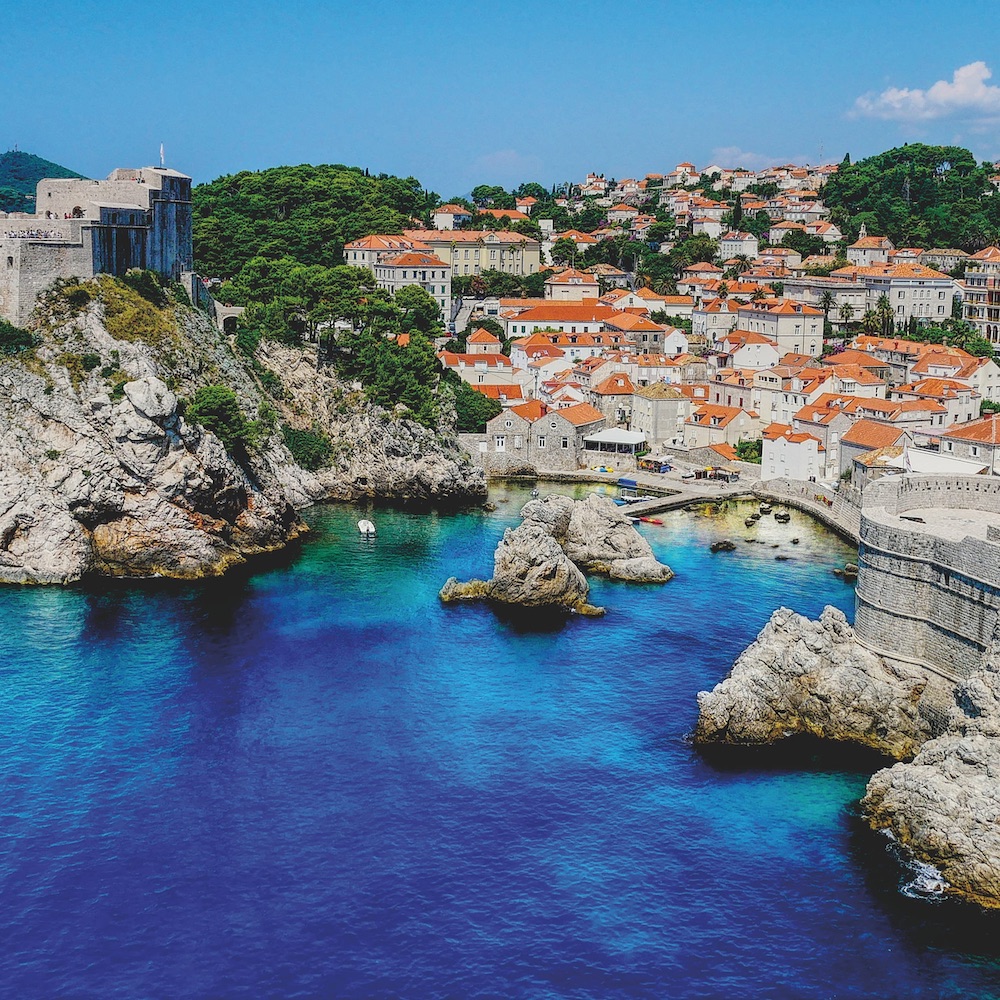
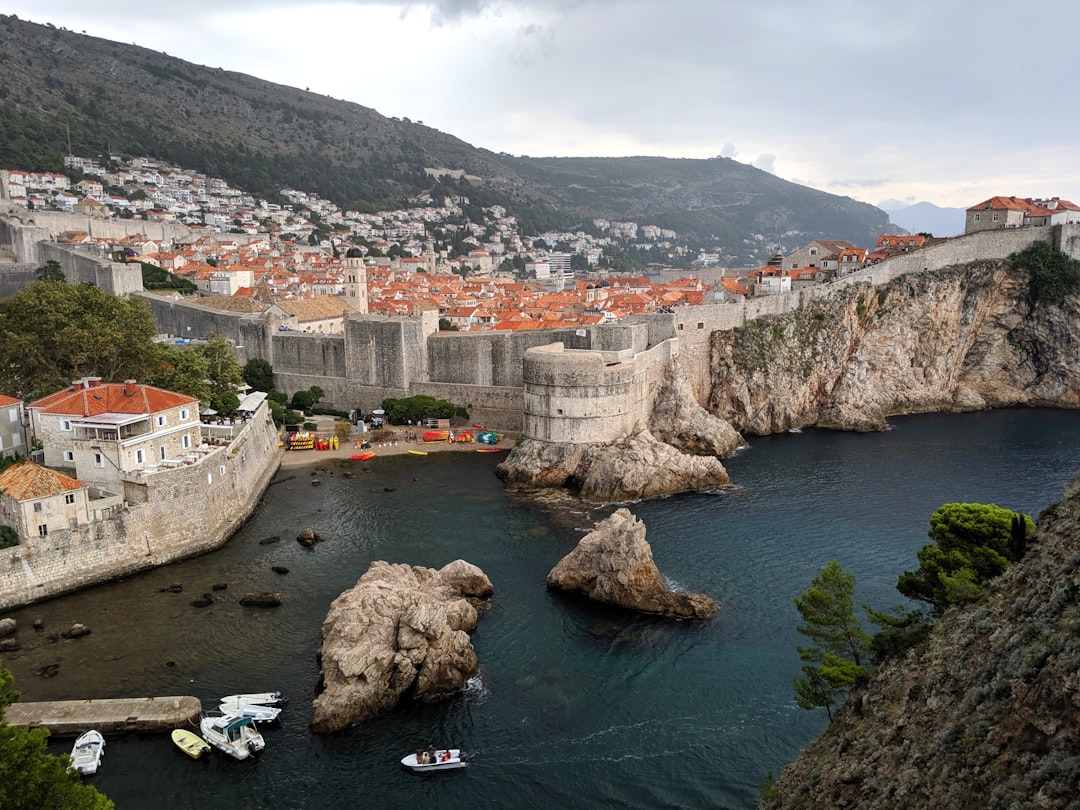
Dubrovnik is stunning. Medieval walls surround the old town, and you can walk the entire perimeter with views over the red rooftops and the Adriatic Sea. It's one of the most beautiful cities in Europe. It's also been completely overtaken by Game of Thrones tourism (King's Landing was filmed here). Cruise ships dump thousands of tourists into the city every day in summer. Go early in the morning or late in the afternoon to avoid the worst crowds. Dubrovnik is expensive (for Croatia) and touristy, but it's still worth seeing.
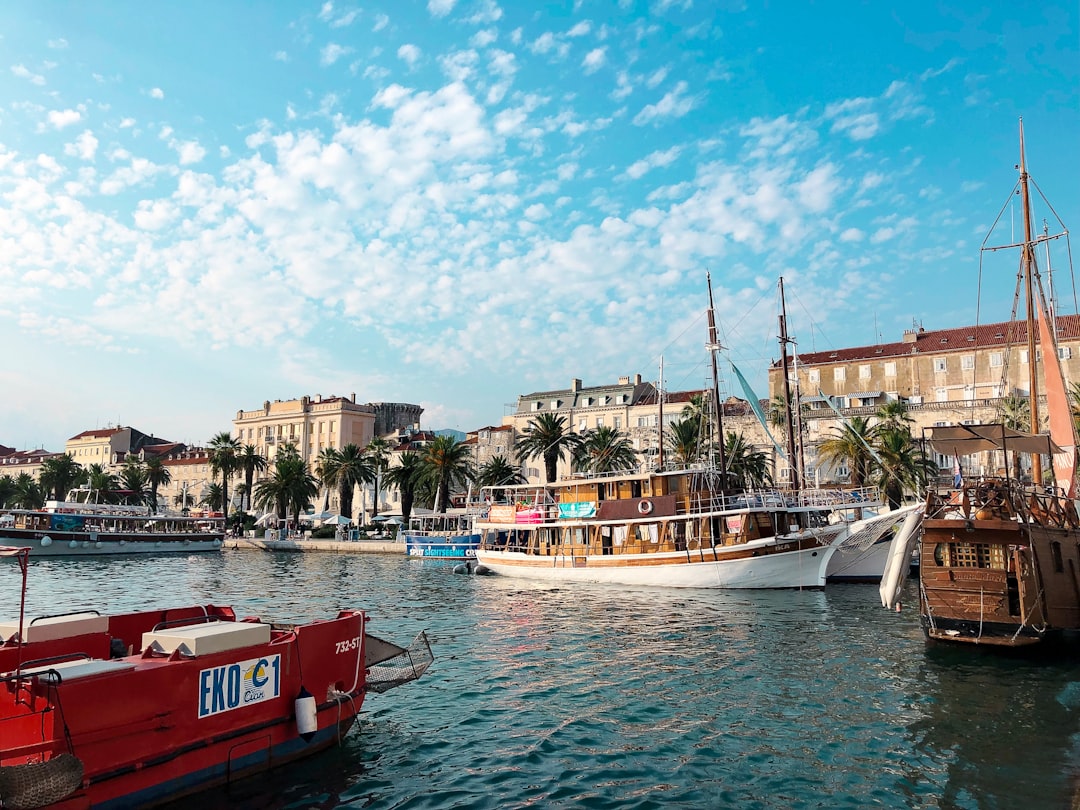
Split is less touristy and more functional than Dubrovnik. Diocletian's Palace (a Roman palace built in the 4th century) is right in the city center, and people live and work inside it. It's a UNESCO site and the heart of the old town. Split is a good base for exploring the islands. Ferries leave daily for Hvar, Brač, and Korčula.
The islands are why a lot of people come to Croatia. Hvar is the party island with beach clubs, bars, and yachts. It's expensive and crowded in summer but beautiful. Korčula is quieter with medieval streets and a more laid-back vibe. Brač has Zlatni Rat (Golden Horn), one of the most famous beaches in Croatia. Vis is remote and less developed (it was a military base until the 1990s). Island hopping is easy. Ferries connect the islands, but they can be slow and delayed. Budget extra time.
Plitvice Lakes National Park in central Croatia is waterfalls, turquoise lakes, and wooden walkways through the forest. It's stunning and one of the most visited national parks in Europe. Go early in the morning to avoid crowds.
Zadar on the coast has Roman ruins, a Sea Organ (an art installation that makes music from the waves), and fewer tourists than Dubrovnik or Split.
Zagreb (the capital) is underrated. It has a charming old town, museums, parks, and a more local vibe. It's less touristy than the coast and a good place to see a different side of Croatia.
Croatian food is Mediterranean with Italian influences. Seafood (grilled fish, calamari, octopus). Peka (meat and vegetables cooked under a bell-shaped lid). Ćevapi (grilled minced meat). Pašticada (beef stew from Dalmatia). Croatian wine is good and cheap. A bottle costs $5-10 at a restaurant.
Croatian people are friendly, helpful, and speak good English (especially in tourist areas). The coast is touristy, but people are still welcoming.
Getting around is straightforward. Buses connect cities and towns along the coast. Ferries connect the islands (book in advance in summer). If you want to explore Plitvice or the interior, rent a car.
Croatia is more expensive than it used to be (especially Dubrovnik and Hvar), but it's still cheaper than Western Europe. Hostels run $20-35/night. A meal at a restaurant is $10-18. A beer is $3-5.
When to go: Spring (May-June) and fall (September-October) are perfect. The weather is warm, the water is swimmable, and the crowds are manageable. Summer (July-August) is hot, crowded, and expensive. Winter (November-March) is quiet, many places close, but Zagreb and the interior are still accessible.
Croatia is beautiful, accessible, and still reasonably affordable. If you want beaches and medieval towns, go.
Croatia Travel Guide
Croatia has stunning coastline, crystal-clear water, medieval towns, and island hopping opportunities. Dubrovnik is beautiful but packed with Game of Thrones tourists. Split has Roman ruins and is a good base for exploring islands. The islands (Hvar, Korčula, Brač) are beaches, parties, and laid-back vibes. Plitvice Lakes National Park is waterfalls and turquoise lakes. Zagreb (the capital) is underrated. Croatian food is Mediterranean with Italian influences. The people are friendly and helpful. It's more expensive than it used to be but still cheaper than Western Europe. Summer is hot and crowded. Shoulder season is perfect.
Overview
Croatia Details
🛂 Schengen Country
Yes
Croatia Costs
See something wrong or missing? Help update ✏️ costs for Croatia.
💰 Cost Per Day
No data yet — be the first! ✏️
🎒💵 Cost Per Day - Backpacker
No data yet — be the first! ✏️
👨👩👧👦💵 Cost Per Day - Family
No data yet — be the first! ✏️
💰🤑 Cost Per Day - Luxury
No data yet — be the first! ✏️
🛌 Sleeping
No data yet — be the first! ✏️
🏕️ Camping (per Day)
No data yet — be the first! ✏️
🏕️ Camping (per Week)
No data yet — be the first! ✏️
🏕️ Camping (per Month)
No data yet — be the first! ✏️
🍝 Food
No data yet — be the first! ✏️
🍳 Breakfast (for 1)
No data yet — be the first! ✏️
👨👩👧👦🍳 Breakfast (family)
No data yet — be the first! ✏️
🍔 Lunch (for 1)
No data yet — be the first! ✏️
👨👩👧👦🍔 Lunch (family)
No data yet — be the first! ✏️
🍽 Dinner (for 1)
No data yet — be the first! ✏️
👨👩👧👦🍽 Dinner (family)
No data yet — be the first! ✏️
☕️ Coffee
No data yet — be the first! ✏️
🥤 Coca Cola (0.3L)
No data yet — be the first! ✏️
🥪 Sandwich
No data yet — be the first! ✏️
🥖 Bread
No data yet — be the first! ✏️
🍿 Snacks
No data yet — be the first! ✏️
🍺 Beer (0.5L)
No data yet — be the first! ✏️
🍷 Wine (glass)
No data yet — be the first! ✏️
🍾 Wine (bottle)
No data yet — be the first! ✏️
💧 Water (bottle)
No data yet — be the first! ✏️
🍕 Street Food (for 1)
No data yet — be the first! ✏️
🚙 Transportation
No data yet — be the first! ✏️
🚙 Car Rental (per Day)
No data yet — be the first! ✏️
🚙 Car Rental (per Week)
No data yet — be the first! ✏️
🚙 Car Rental (per Month)
No data yet — be the first! ✏️
🚂🎟️ Train Ticket (single)
No data yet — be the first! ✏️
🚌🎟️ City-to-City Bus Ticket (single)
No data yet — be the first! ✏️
⛽️ Gas/Fuel
No data yet — be the first! ✏️
🚧 Tolls
No data yet — be the first! ✏️
🚊🎟️ City Transit Pass
No data yet — be the first! ✏️
🛬🚌 Airport Transfer
No data yet — be the first! ✏️
📸 Sightseeing
No data yet — be the first! ✏️
🎟 Museum Entry
No data yet — be the first! ✏️
🏰 Attraction Entry
No data yet — be the first! ✏️
🚶♂️ Guided Tours
No data yet — be the first! ✏️
💶 Other
No data yet — be the first! ✏️
👨💻 Co-working
No data yet — be the first! ✏️
🧼 Laundry
No data yet — be the first! ✏️
💁♂️💶 Tipping
No data yet — be the first! ✏️
📲 Mobile Data (~10GB)
No data yet — be the first! ✏️
🛰️ Luggage Storage / Locker (daily)
No data yet — be the first! ✏️
Croatia Scores
See something wrong or missing? Help update ✏️ scores for Croatia.
🤩 Overall Score
💵 Cost
💵 Income Level
🌡 Temperature (Now)
🌡 Temperature (Average)
🌦 Weather
💧 Humidity (Now)
💧 Humidity (Average)
☔️ Rain (Annual)
☀️ Sunshine (Hours Per Day)
No data yet — be the first! 🗳️
💨 Wind
🦹♂️ Safety
🚙 Traffic Safety
👩🏻 Female Friendly
✌️ Peace (No Wars / Political Conflict)
🎉 Fun
💃 Nightlife
😘 For Singles
👩❤️👨 For Couples
👨👩👧👦 Family Score
🚶♂️ Walkability
🚶♂️ Easy To Get Around
👨🦽 Accessibility
📡 Internet
📡 Free Wifi
👨💻 Co-working Places
❄️ A/C
🏥 Hospitals
😃 Happiness
🤝 Friendliness
🤗 Hospitality
🇬🇧 English Speaking
👱♂️👨🏾 Racial Tolerance
🏳️🌈 LGBTQ+ Friendly
🎓 Education Level
🧹 Clean
👍 Rated By Members
👍 Liked By Eurotriprs
Average monthly weather for Croatia
| Monthly Averages | Jan | Feb | Mar | Apr | May | Jun | Jul | Aug | Sep | Oct | Nov | Dec |
|---|---|---|---|---|---|---|---|---|---|---|---|---|
| Weather | ❄️ Snowy | ❄️ Snowy | ❄️ Snowy | 🌦️ Sun & Rain | 🌦️ Sun & Rain | 🌦️ Sun & Rain | 🌦️ Sun & Rain | ⛅ Partly cloudy | 🌦️ Sun & Rain | 🌦️ Sun & Rain | 🌧️ Rainy | ❄️ Snowy |
| Avg. Temp. | 29° F 🥶 Freezing | 33° F ⛄️ Cold | 37° F ⛄️ Cold | 44° F ⛄️ Cold | 51° F 😰 Cool | 61° F 👌 Nice | 65° F 👌 Nice | 64° F 👌 Nice | 56° F 😰 Cool | 48° F 😰 Cool | 38° F ⛄️ Cold | 32° F ⛄️ Cold |
| Feels Like | 22° F 🥶 Freezing | 26° F 🥶 Freezing | 30° F 🥶 Freezing | 38° F ⛄️ Cold | 47° F 😰 Cool | 60° F 👌 Nice | 64° F 👌 Nice | 64° F 👌 Nice | 53° F 😰 Cool | 44° F ⛄️ Cold | 32° F ⛄️ Cold | 25° F 🥶 Freezing |
| High Temp. | 36° F | 40° F | 46° F | 53° F | 59° F | 70° F | 74° F | 74° F | 64° F | 56° F | 44° F | 38° F |
| Low Temp. | 23° F | 27° F | 30° F | 36° F | 43° F | 53° F | 56° F | 55° F | 48° F | 41° F | 33° F | 27° F |
| Sunrise | 06:31 am | 06:00 am | 05:09 am | 04:13 am | 03:29 am | 03:12 am | 03:28 am | 04:02 am | 04:38 am | 05:16 am | 05:57 am | 06:30 am |
| Sunset | 03:44 pm (15:44) | 04:25 pm (16:25) | 05:05 pm (17:05) | 05:44 pm (17:44) | 06:22 pm (18:22) | 06:46 pm (18:46) | 06:41 pm (18:41) | 06:03 pm (18:03) | 05:09 pm (17:09) | 04:13 pm (16:13) | 03:30 pm (15:30) | 03:19 pm (15:19) |
| Sunlight | ☀️ 5h | ☀️ 6h | ☀️ 8h | ☀️ 10h | ☀️ 11h | ☀️ 13h | ☀️ 13h | ☀️ 12h | ☀️ 10h | ☀️ 8h | ☀️ 5h | ☀️ 4h |
| Sunny Days | 15 | 16 | 23 | 24 | 26 | 29 | 30 | 29 | 25 | 24 | 14 | 13 |
| Clouds | 76% | 73% | 61% | 59% | 65% | 46% | 38% | 40% | 52% | 65% | 82% | 77% |
| Humidity | 💦 89% | 💦 85% | 💦 78% | 😥 75% | 💦 81% | 😥 74% | 😥 70% | 😥 73% | 💦 81% | 💦 86% | 💦 92% | 💦 91% |
| Rain | 3 in. (10 Days) | 3 in. (10 Days) | 3 in. (10 Days) | 3 in. (12 Days) | 6 in. (17 Days) | 3 in. (12 Days) | 3 in. (11 Days) | 3 in. (9 Days) | 5 in. (12 Days) | 5 in. (11 Days) | 5 in. (12 Days) | 4 in. (11 Days) |
| Snow | 19 in. (8 Days) | 15 in. (6 Days) | 13 in. (5 Days) | 4 in. (2 Days) | 0 in. (0 Days) | 0 in. (0 Days) | 0 in. (0 Days) | 0 in. (0 Days) | 0 in. (0 Days) | 0 in. (0 Days) | 10 in. (4 Days) | 14 in. (5 Days) |
| Wind | 7.93 mph | 7.9 mph | 7.81 mph | 7.33 mph | 6.59 mph | 5.99 mph | 5.38 mph | 5.6 mph | 5.94 mph | 6.55 mph | 7.25 mph | 7.2 mph |
| Last updated on: Apr 2026 | Source: Open Meteo | |||||||||||
⚠️ Weather and climate is for monthly averages for Croatia. Current weather and temperatures might be different on any given day. This table is for planning purposes. Please check current weather forecasts before your trip.


Croatia
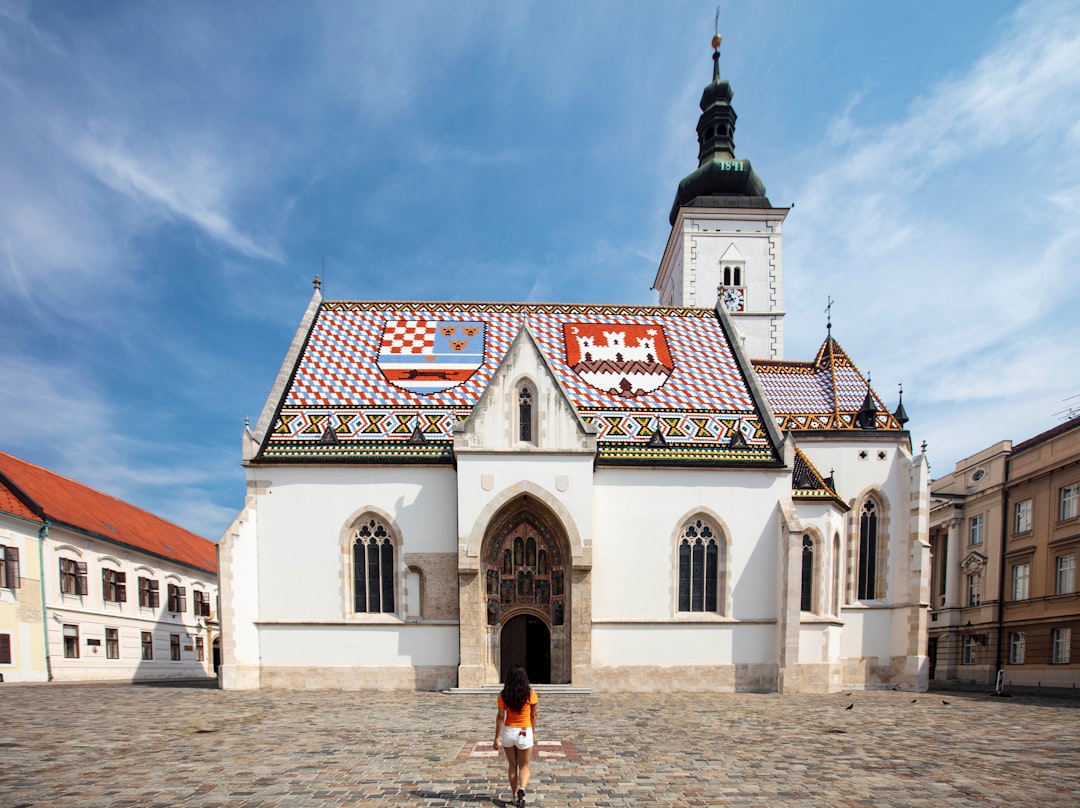
A row of stone buildings with a clock tower in the background
Photo by Kateryna Kovtun on Unsplash

Croatia
A view of some buildings with a clock tower in the background
Photo by Tom Forrest on Unsplash


Croatia
A large building with a clock tower in the background
Photo by Roman Vasylovskyi on Unsplash


Croatia
A group of people walking down a street next to tall buildings
Photo by Adrián Valverde on Unsplash


Croatia
A group of people walking down a street next to tall buildings
Photo by Meg Von Haartman on Unsplash

Croatia
A large body of water with a small town in the background
Photo by Damir Korotaj on Unsplash


Cities in Croatia
Rank
1
Daily Cost
$85
Weather Now
☀️ 62°
Liked?
😀
Dubrovnik
Croatia
0%
0%
🌟 Overall
💸 Cost
📡 Internet
🎉 Fun
👮♀️ Safety
Rank
2
Daily Cost
$70
Weather Now
☀️ 61°
Liked?
😀
Split
Croatia
0%
0%
🌟 Overall
💸 Cost
📡 Internet
🎉 Fun
👮♀️ Safety
Rank
3
Daily Cost
$55
Weather Now
☀️ 55°
Liked?
😍
Zagreb
Croatia
0%
0%