 EuroTripr
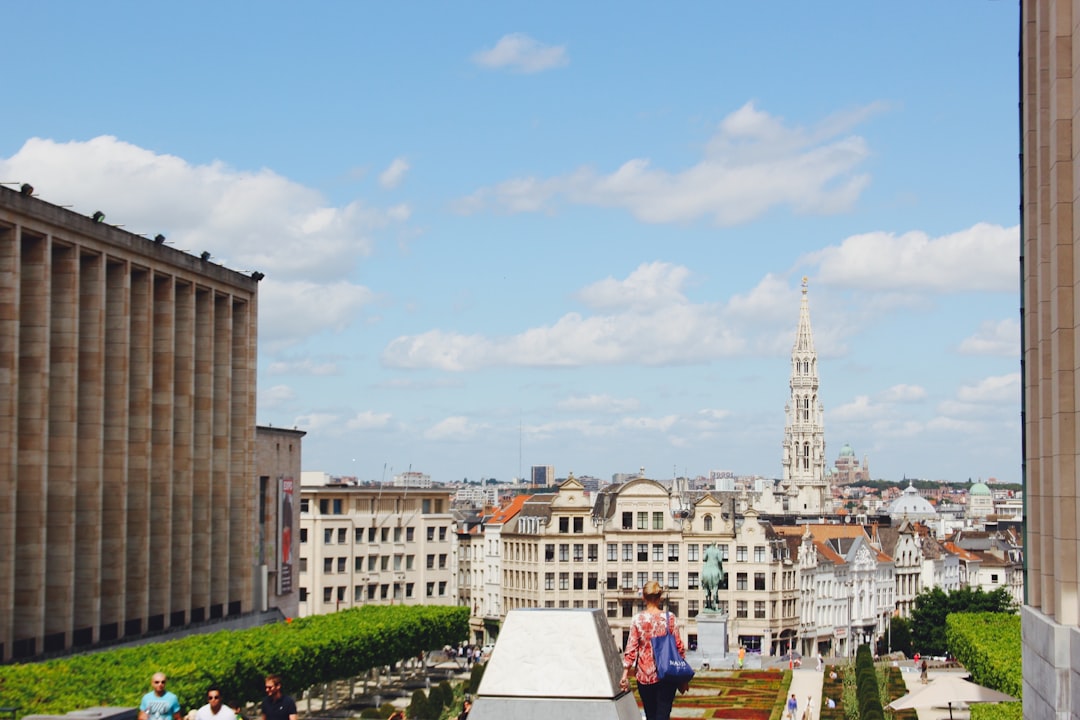
Brussels is the capital of Belgium and the de facto capital of the EU. The Grand Place is one of the most beautiful squares in Europe with gilded buildings and the Town Hall. It's stunning, especially at night. Manneken Pis (a small statue of a boy peeing) is nearby and always disappointing (it's tiny and surrounded by tourists). The Atomium (a giant structure shaped like an atom) is a relic from the 1958 World's Fair. You can go inside, but it's mostly just a photo op. Brussels has great museums (Royal Museums of Fine Arts, Magritte Museum) and a lively café culture. It's also the headquarters of the EU, so there are a lot of expats and international organizations.
Brussels is multicultural, a bit gritty, and not as charming as Bruges or Ghent. But it has great food, beer, and museums.
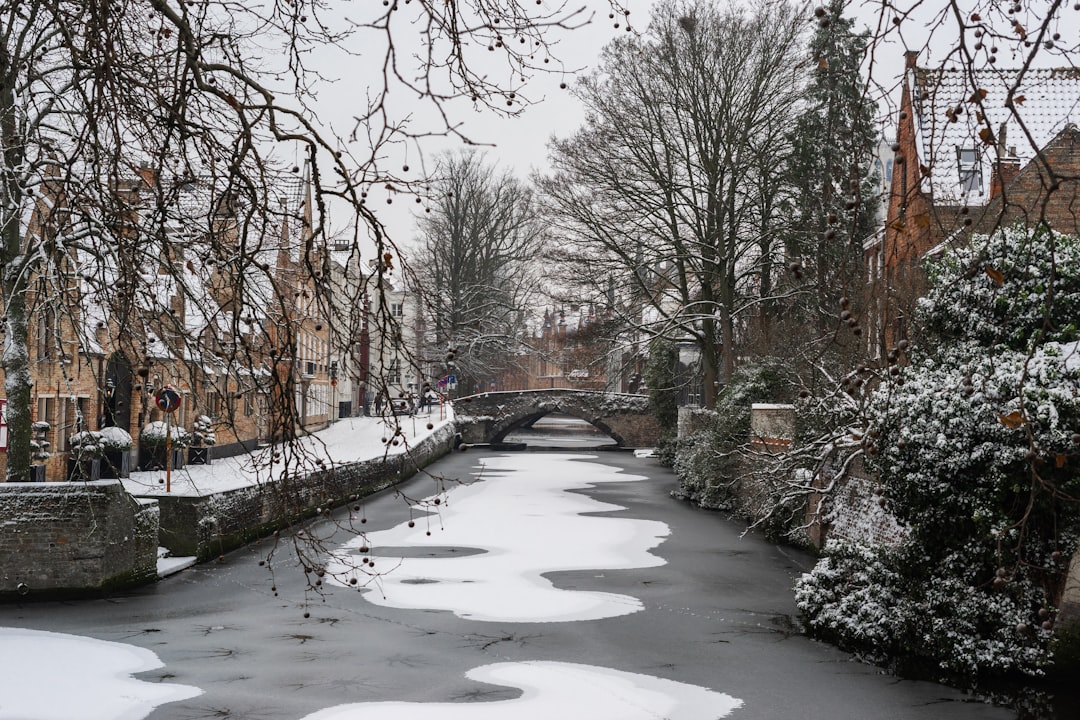
Bruges is a fairy tale town. Medieval buildings, canals, cobblestone streets, and churches everywhere. The Belfry (bell tower) offers views over the red rooftops. The Market Square is the heart of the city. Bruges is beautiful, touristy, and crowded in summer. It's also small. You can see the main sights in a day.
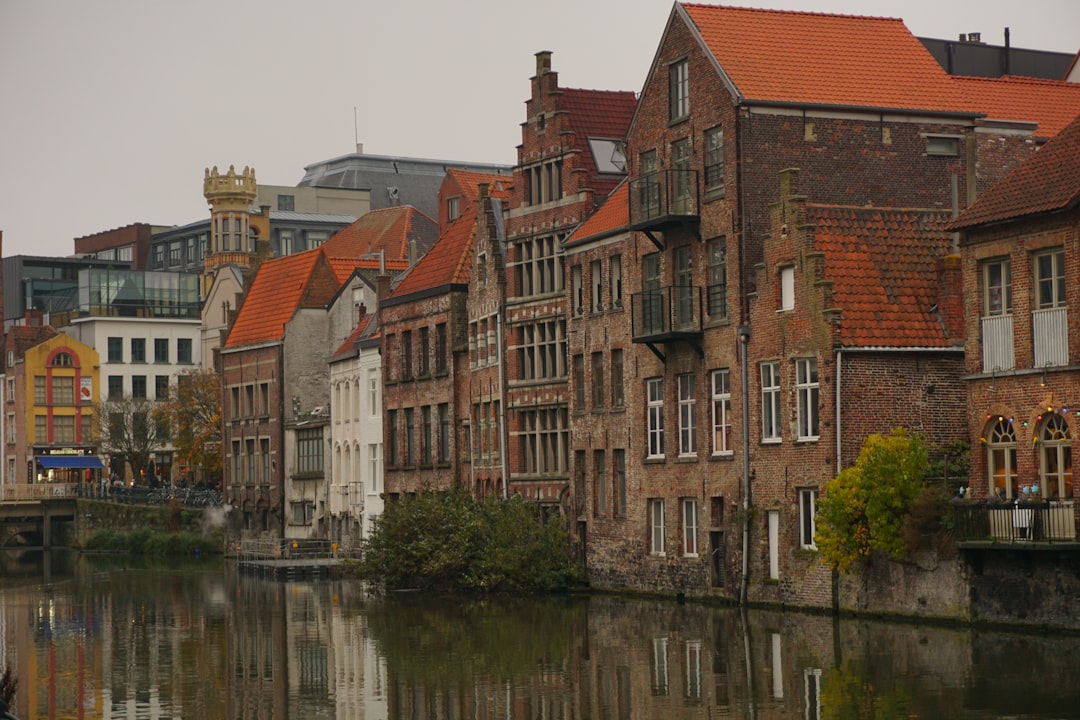
Ghent is less touristy than Bruges and just as beautiful. The old town has medieval buildings, canals, and Gravensteen (a medieval castle). Ghent has a younger, more local vibe (it's a university town). It's one of Belgium's hidden gems.
Antwerp in the north is Belgium's second-largest city. It has a beautiful train station, a diamond district, and a lively fashion scene. Rubens (the Baroque painter) lived here, and his house is now a museum.
Belgian beer is world-class. There are over 1,500 varieties. Trappist beers (brewed by monks), lambics (sour beers), and abbey ales are all worth trying. Beer culture here is serious. Bars have beer menus with dozens of options. Drink Belgian beer in Belgium. It's cheaper and fresher here than anywhere else.
Belgian food is fries (they invented them, not the French), waffles (Brussels waffles are light and rectangular, Liège waffles are dense and sweet), chocolate (Leonidas, Neuhaus, and countless chocolatiers), and moules-frites (mussels and fries). Belgian food is simple, indulgent, and delicious.
Belgian people are friendly, multilingual, and a bit reserved. The north (Flanders) speaks Dutch. The south (Wallonia) speaks French. Brussels is bilingual. English is widely spoken in cities.
Getting around is easy. Belgium is small. Trains connect Brussels, Bruges, Ghent, and Antwerp in under an hour. You can see the whole country in a few days.
Belgium is more expensive than Eastern Europe but cheaper than Scandinavia or Switzerland. Hostels run $20-35/night. A meal at a restaurant is $12-20. A beer is $3-5.
When to go: Spring (April-May) and fall (September-October) are ideal. The weather is mild, and crowds are manageable. Summer (June-August) is warm but Bruges gets packed. Winter (November-March) is cold and gray, but Christmas markets are charming.
Belgium is small, easy to navigate, and full of beer, chocolate, and medieval charm.
Belgium Travel Guide
Belgium has medieval cities, chocolate, beer, and waffles. Brussels (the capital) is the EU headquarters and has the Grand Place, Atomium, and Manneken Pis. Bruges is a fairy tale medieval town with canals and cobblestones. Ghent is less touristy and just as beautiful. Belgian beer is world-class with hundreds of varieties. The food is fries (they invented them), waffles, chocolate, and moules-frites (mussels and fries). The people are friendly and speak Dutch, French, or German depending on the region. It's small, easy to navigate, and more expensive than Eastern Europe but cheaper than Scandinavia.
Overview
Belgium Details
🛂 Schengen Country
Yes
Belgium Costs
See something wrong or missing? Help update ✏️ costs for Belgium.
💰 Cost Per Day
No data yet — be the first! ✏️
🎒💵 Cost Per Day - Backpacker
No data yet — be the first! ✏️
👨👩👧👦💵 Cost Per Day - Family
No data yet — be the first! ✏️
💰🤑 Cost Per Day - Luxury
No data yet — be the first! ✏️
🛌 Sleeping
No data yet — be the first! ✏️
🏕️ Camping (per Day)
No data yet — be the first! ✏️
🏕️ Camping (per Week)
No data yet — be the first! ✏️
🏕️ Camping (per Month)
No data yet — be the first! ✏️
🍝 Food
No data yet — be the first! ✏️
🍳 Breakfast (for 1)
No data yet — be the first! ✏️
👨👩👧👦🍳 Breakfast (family)
No data yet — be the first! ✏️
🍔 Lunch (for 1)
No data yet — be the first! ✏️
👨👩👧👦🍔 Lunch (family)
No data yet — be the first! ✏️
🍽 Dinner (for 1)
No data yet — be the first! ✏️
👨👩👧👦🍽 Dinner (family)
No data yet — be the first! ✏️
☕️ Coffee
No data yet — be the first! ✏️
🥤 Coca Cola (0.3L)
No data yet — be the first! ✏️
🥪 Sandwich
No data yet — be the first! ✏️
🥖 Bread
No data yet — be the first! ✏️
🍿 Snacks
No data yet — be the first! ✏️
🍺 Beer (0.5L)
No data yet — be the first! ✏️
🍷 Wine (glass)
No data yet — be the first! ✏️
🍾 Wine (bottle)
No data yet — be the first! ✏️
💧 Water (bottle)
No data yet — be the first! ✏️
🍕 Street Food (for 1)
No data yet — be the first! ✏️
🚙 Transportation
No data yet — be the first! ✏️
🚙 Car Rental (per Day)
No data yet — be the first! ✏️
🚙 Car Rental (per Week)
No data yet — be the first! ✏️
🚙 Car Rental (per Month)
No data yet — be the first! ✏️
🚂🎟️ Train Ticket (single)
No data yet — be the first! ✏️
🚌🎟️ City-to-City Bus Ticket (single)
No data yet — be the first! ✏️
⛽️ Gas/Fuel
No data yet — be the first! ✏️
🚧 Tolls
No data yet — be the first! ✏️
🚊🎟️ City Transit Pass
No data yet — be the first! ✏️
🛬🚌 Airport Transfer
No data yet — be the first! ✏️
📸 Sightseeing
No data yet — be the first! ✏️
🎟 Museum Entry
No data yet — be the first! ✏️
🏰 Attraction Entry
No data yet — be the first! ✏️
🚶♂️ Guided Tours
No data yet — be the first! ✏️
💶 Other
No data yet — be the first! ✏️
👨💻 Co-working
No data yet — be the first! ✏️
🧼 Laundry
No data yet — be the first! ✏️
💁♂️💶 Tipping
No data yet — be the first! ✏️
📲 Mobile Data (~10GB)
No data yet — be the first! ✏️
🛰️ Luggage Storage / Locker (daily)
No data yet — be the first! ✏️
Belgium Scores
See something wrong or missing? Help update ✏️ scores for Belgium.
🤩 Overall Score
💵 Cost
💵 Income Level
🌡 Temperature (Now)
🌡 Temperature (Average)
🌦 Weather
💧 Humidity (Now)
💧 Humidity (Average)
☔️ Rain (Annual)
☀️ Sunshine (Hours Per Day)
💨 Wind
🦹♂️ Safety
🚙 Traffic Safety
👩🏻 Female Friendly
✌️ Peace (No Wars / Political Conflict)
🎉 Fun
💃 Nightlife
😘 For Singles
👩❤️👨 For Couples
👨👩👧👦 Family Score
🚶♂️ Walkability
🚶♂️ Easy To Get Around
👨🦽 Accessibility
📡 Internet
📡 Free Wifi
👨💻 Co-working Places
❄️ A/C
🏥 Hospitals
😃 Happiness
🤝 Friendliness
🤗 Hospitality
🇬🇧 English Speaking
👱♂️👨🏾 Racial Tolerance
🏳️🌈 LGBTQ+ Friendly
🎓 Education Level
🧹 Clean
👍 Rated By Members
👍 Liked By Eurotriprs
Average monthly weather for Belgium
| Monthly Averages | Jan | Feb | Mar | Apr | May | Jun | Jul | Aug | Sep | Oct | Nov | Dec |
|---|---|---|---|---|---|---|---|---|---|---|---|---|
| Weather | 🌧️ Rainy | 🌧️ Rainy | 🌦️ Sun & Rain | 🌦️ Sun & Rain | 🌦️ Sun & Rain | 🌦️ Sun & Rain | 🌦️ Sun & Rain | 🌦️ Sun & Rain | ⛅ Partly cloudy | 🌧️ Rainy | 🌧️ Rainy | 🌧️ Rainy |
| Avg. Temp. | 38° F ⛄️ Cold | 41° F ⛄️ Cold | 44° F ⛄️ Cold | 49° F 😰 Cool | 56° F 😰 Cool | 63° F 👌 Nice | 65° F 👌 Nice | 66° F 👌 Nice | 60° F 👌 Nice | 54° F 😰 Cool | 45° F ⛄️ Cold | 41° F ⛄️ Cold |
| Feels Like | 30° F 🥶 Freezing | 33° F ⛄️ Cold | 38° F ⛄️ Cold | 43° F ⛄️ Cold | 52° F 😰 Cool | 62° F 👌 Nice | 64° F 👌 Nice | 65° F 👌 Nice | 58° F 😰 Cool | 49° F 😰 Cool | 38° F ⛄️ Cold | 34° F ⛄️ Cold |
| High Temp. | 42° F | 47° F | 52° F | 57° F | 64° F | 71° F | 73° F | 74° F | 68° F | 60° F | 49° F | 45° F |
| Low Temp. | 34° F | 36° F | 37° F | 40° F | 47° F | 55° F | 57° F | 57° F | 53° F | 48° F | 40° F | 37° F |
| Sunrise | 07:33 am | 06:53 am | 05:52 am | 04:46 am | 03:53 am | 03:31 am | 03:49 am | 04:32 am | 05:18 am | 06:06 am | 06:57 am | 07:35 am |
| Sunset | 04:08 pm (16:08) | 04:57 pm (16:57) | 05:47 pm (17:47) | 06:36 pm (18:36) | 07:23 pm (19:23) | 07:53 pm (19:53) | 07:45 pm (19:45) | 06:59 pm (18:59) | 05:54 pm (17:54) | 04:48 pm (16:48) | 03:56 pm (15:56) | 03:39 pm (15:39) |
| Sunlight | ☀️ 3h | ☀️ 5h | ☀️ 7h | ☀️ 9h | ☀️ 11h | ☀️ 11h | ☀️ 12h | ☀️ 11h | ☀️ 9h | ☀️ 6h | ☀️ 4h | ☀️ 3h |
| Sunny Days | 9 | 13 | 20 | 24 | 26 | 25 | 27 | 27 | 24 | 17 | 11 | 6 |
| Clouds | 78% | 71% | 64% | 60% | 62% | 60% | 61% | 58% | 61% | 73% | 74% | 79% |
| Humidity | 💦 88% | 💦 82% | 💦 77% | 😥 73% | 😥 72% | 😥 73% | 😥 71% | 😥 72% | 💦 76% | 💦 82% | 💦 87% | 💦 89% |
| Rain | 3 in. (12 Days) | 3 in. (12 Days) | 3 in. (12 Days) | 2 in. (11 Days) | 3 in. (12 Days) | 3 in. (11 Days) | 3 in. (10 Days) | 2 in. (11 Days) | 3 in. (10 Days) | 3 in. (13 Days) | 3 in. (13 Days) | 3 in. (13 Days) |
| Snow | 4 in. (3 Days) | 2 in. (1 Days) | 1 in. (1 Days) | 0 in. (0 Days) | 0 in. (0 Days) | 0 in. (0 Days) | 0 in. (0 Days) | 0 in. (0 Days) | 0 in. (0 Days) | 0 in. (0 Days) | 1 in. (1 Days) | 1 in. (1 Days) |
| Wind | 10.37 mph | 11 mph | 9.71 mph | 8.48 mph | 7.96 mph | 7.67 mph | 7.81 mph | 7.61 mph | 7.99 mph | 9.64 mph | 9.6 mph | 10.48 mph |
| Last updated on: Apr 2026 | Source: Open Meteo | |||||||||||
⚠️ Weather and climate is for monthly averages for Belgium. Current weather and temperatures might be different on any given day. This table is for planning purposes. Please check current weather forecasts before your trip.


Belgium
Gothic architecture building with spires against blue sky
Photo by Ludovic Delot on Unsplash

Belgium
Colorful historic buildings line a town square with people.
Photo by Ludovic Delot on Unsplash


Belgium
A black and white photo of a building with a clock tower
Photo by Junipero Verbeke on Unsplash


Cities in Belgium
Rank
1
Daily Cost
$70
Weather Now
🌤️ 51°
Liked?
😀
Bruges
Belgium
0%
0%
🌟 Overall
💸 Cost
📡 Internet
🎉 Fun
👮♀️ Safety
Rank
2
Daily Cost
$75
Weather Now
🌤️ 51°
Liked?
😍
Brussels
Belgium
0%
0%
🌟 Overall
💸 Cost
📡 Internet
🎉 Fun
👮♀️ Safety
Rank
3
Daily Cost
$65
Weather Now
🌤️ 51°
Liked?
😀
Ghent
Belgium
0%
0%