 EuroTripr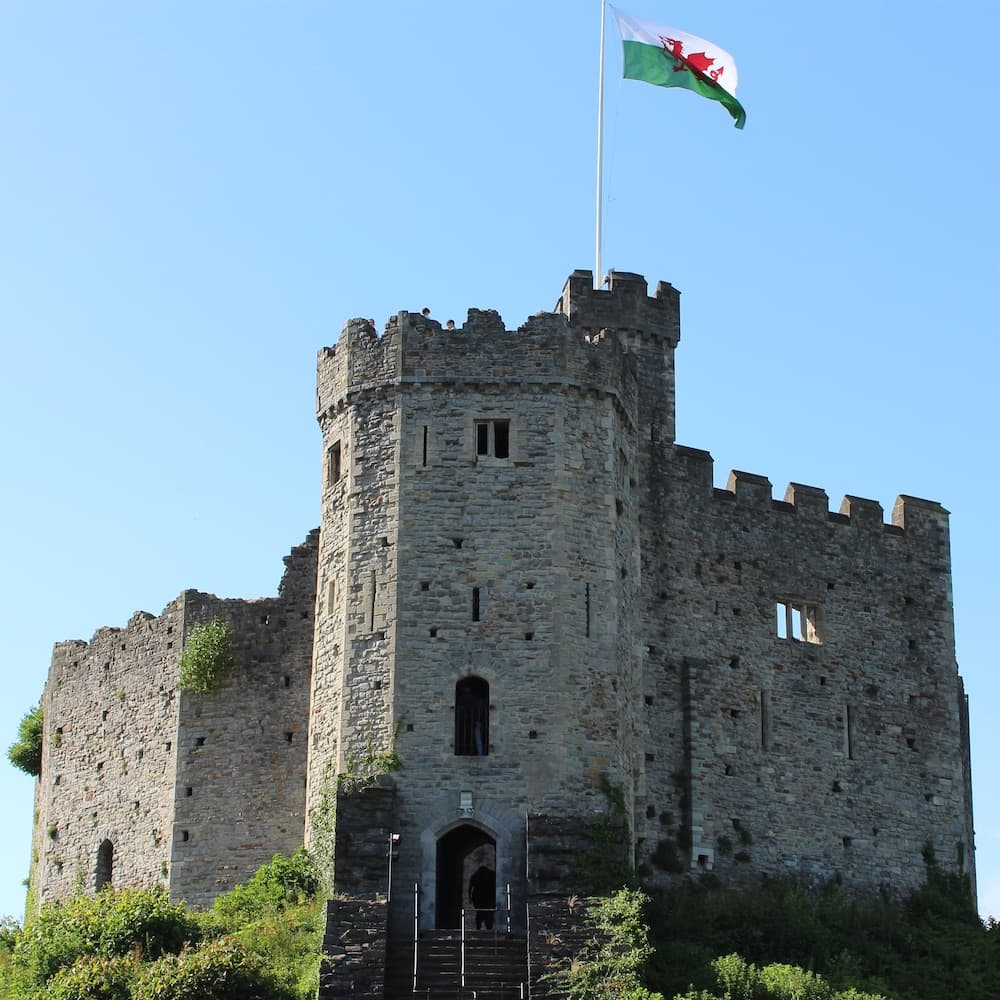
Cardiff is the capital and the largest city. Cardiff Castle in the city center has Roman walls, medieval towers, and Victorian Gothic interiors. It's over-the-top and worth visiting. Cardiff Bay has been redeveloped with restaurants, the Wales Millennium Centre (for theater and opera), and the Senedd (Welsh Parliament building). The National Museum Cardiff is free and has art, natural history, and Welsh history.
Cardiff is affordable compared to London. The city has a young energy (it's a university town) and a growing food and music scene.
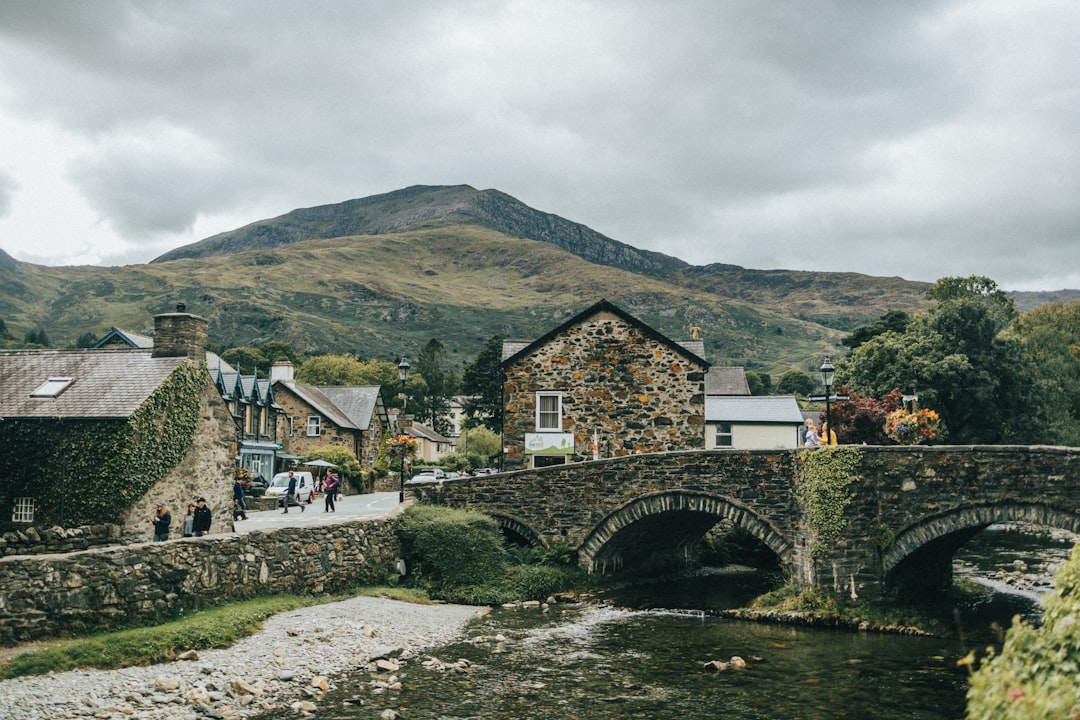
Snowdonia National Park in northwest Wales has mountains, lakes, and hiking trails. Mount Snowdon (Yr Wyddfa in Welsh) is the highest peak in Wales. You can hike to the top (several routes of varying difficulty) or take the Snowdon Mountain Railway (a rack railway that goes to the summit). The views are stunning on clear days. The park also has Zip World (the longest zip line in Europe) and adventure activities.
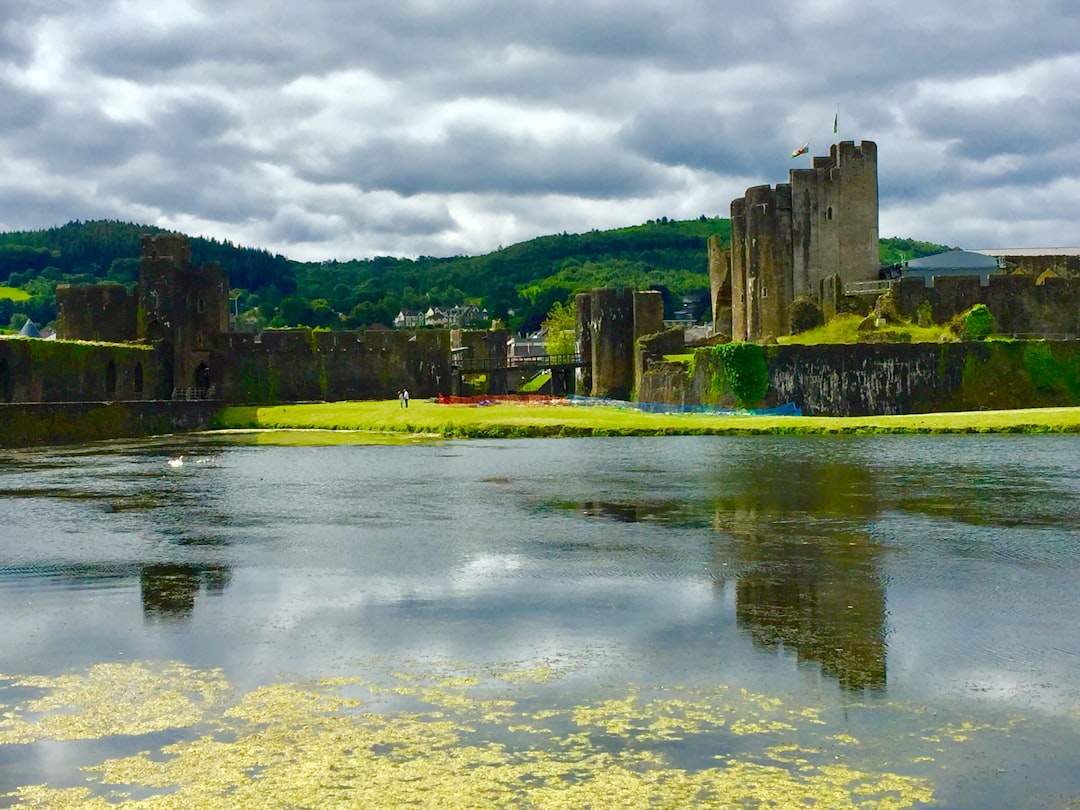
Conwy and Caernarfon have massive medieval castles (UNESCO sites). Conwy has a walled town you can walk around. Caernarfon Castle is where the Prince of Wales is invested.
The Pembrokeshire Coast in southwest Wales has dramatic cliffs, sandy beaches, and the Pembrokeshire Coast Path (a 186-mile walking trail). St. Davids is the smallest city in Britain with a beautiful cathedral. The coast is stunning and less touristy than Cornwall in England.
The Brecon Beacons in south Wales have rolling hills, waterfalls, and hiking. The area is also an International Dark Sky Reserve (great for stargazing).
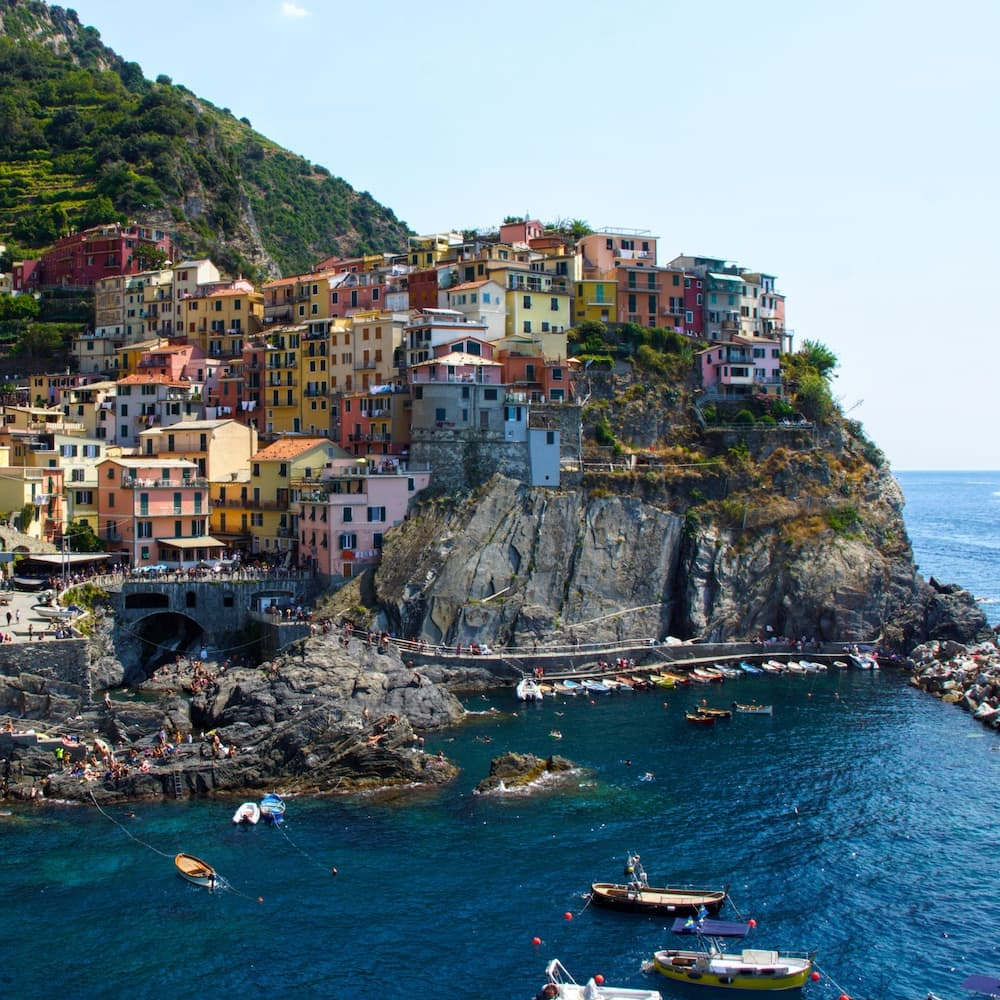
Portmeirion is a bizarre Italianate village built on the coast in the 1920s. It looks like it belongs in Italy, not Wales. It's quirky, colorful, and worth a visit if you're nearby.
Welsh food is hearty. Welsh rarebit (cheese on toast, but fancy). Cawl (a meat and vegetable stew). Bara brith (fruit bread). Laverbread (seaweed, an acquired taste). Welsh cakes (griddle cakes with currants). Welsh food is comfort food.
Welsh people are proud, warm, and have a strong national identity distinct from England. About 30% of the population speaks Welsh (it's taught in schools and used on road signs). Everyone speaks English, but you'll hear Welsh spoken, especially in northwest Wales. The Welsh are passionate about rugby, music (Wales is known as the "Land of Song"), and their culture.
Getting around requires planning. Trains connect Cardiff to Swansea, north Wales, and England. Buses connect smaller towns. If you want to explore Snowdonia, the coast, or the Brecon Beacons, rent a car.
Wales is cheaper than England but more expensive than Eastern Europe. Hostels run £18-30/night. A meal at a pub is £10-15. A pint is £4-6.
When to go: Summer (June-August) has the best weather (though "best" is relative in Wales) and longest daylight. Spring (April-May) and fall (September-October) are less crowded but rainier. Winter (November-March) is cold, wet, and dark, but cozy pubs and fewer tourists have their appeal.
Wales has more castles than you can visit in one trip, stunning national parks, and a culture that's distinct and proud. If you want nature and history without London prices, Wales delivers.
Wales Travel Guide
Wales has castles (more per square mile than anywhere else in Europe), rugged coastline, mountains, and a distinct culture from England. Cardiff is the capital with a castle, a bay area, and Welsh culture. Snowdonia has mountains and hiking. The Pembrokeshire Coast has cliffs and beaches. Welsh people are proud, warm, and speak Welsh (though everyone speaks English too). The food is hearty (Welsh rarebit, cawl, bara brith). It's cheaper than England but more expensive than Eastern Europe. The weather is rainy (pack layers). If you want castles, nature, and Celtic culture, Wales delivers.
Overview
Wales Costs
See something wrong or missing? Help update ✏️ costs for Wales.
💰 Cost Per Day
$244
🎒💵 Cost Per Day - Backpacker
$95
👨👩👧👦💵 Cost Per Day - Family
No data yet — be the first! ✏️
💰🤑 Cost Per Day - Luxury
$625
🛌 Sleeping
$121.25
🏕️ Camping (per Day)
No data yet — be the first! ✏️
🏕️ Camping (per Week)
No data yet — be the first! ✏️
🏕️ Camping (per Month)
No data yet — be the first! ✏️
🍝 Food
$85
🍳 Breakfast (for 1)
$20
👨👩👧👦🍳 Breakfast (family)
$64
🍔 Lunch (for 1)
$22.66
👨👩👧👦🍔 Lunch (family)
$72.51
🍽 Dinner (for 1)
$40.89
👨👩👧👦🍽 Dinner (family)
$130.85
☕️ Coffee
$5.34
🥤 Coca Cola (0.3L)
$1.54
🥪 Sandwich
No data yet — be the first! ✏️
🥖 Bread
$1.18
🍿 Snacks
No data yet — be the first! ✏️
🍺 Beer (0.5L)
$5.97
🍷 Wine (glass)
No data yet — be the first! ✏️
🍾 Wine (bottle)
$13.61
💧 Water (bottle)
$1.82
🍕 Street Food (for 1)
$11.88
🚙 Transportation
$40
🚙 Car Rental (per Day)
No data yet — be the first! ✏️
🚙 Car Rental (per Week)
No data yet — be the first! ✏️
🚙 Car Rental (per Month)
No data yet — be the first! ✏️
🚂🎟️ Train Ticket (single)
No data yet — be the first! ✏️
🚌🎟️ City-to-City Bus Ticket (single)
No data yet — be the first! ✏️
⛽️ Gas/Fuel
No data yet — be the first! ✏️
🚧 Tolls
No data yet — be the first! ✏️
🚊🎟️ City Transit Pass
$4.12
🛬🚌 Airport Transfer
No data yet — be the first! ✏️
📸 Sightseeing
$37
🎟 Museum Entry
No data yet — be the first! ✏️
🏰 Attraction Entry
$20.94
🚶♂️ Guided Tours
No data yet — be the first! ✏️
💶 Other
No data yet — be the first! ✏️
👨💻 Co-working
No data yet — be the first! ✏️
🧼 Laundry
No data yet — be the first! ✏️
💁♂️💶 Tipping
No data yet — be the first! ✏️
📲 Mobile Data (~10GB)
$18.01
🛰️ Luggage Storage / Locker (daily)
No data yet — be the first! ✏️
Wales Scores
See something wrong or missing? Help update ✏️ scores for Wales.
🤩 Overall Score
No data yet — be the first! 🗳️
💵 Cost
No data yet — be the first! 🗳️
💵 Income Level
No data yet — be the first! 🗳️
🌡 Temperature (Now)
No data yet — be the first! 🗳️
🌡 Temperature (Average)
No data yet — be the first! 🗳️
🌦 Weather
No data yet — be the first! 🗳️
💧 Humidity (Now)
No data yet — be the first! 🗳️
💧 Humidity (Average)
No data yet — be the first! 🗳️
☔️ Rain (Annual)
No data yet — be the first! 🗳️
☀️ Sunshine (Hours Per Day)
No data yet — be the first! 🗳️
💨 Wind
No data yet — be the first! 🗳️
🦹♂️ Safety
No data yet — be the first! 🗳️
🚙 Traffic Safety
No data yet — be the first! 🗳️
👩🏻 Female Friendly
No data yet — be the first! 🗳️
✌️ Peace (No Wars / Political Conflict)
No data yet — be the first! 🗳️
🎉 Fun
No data yet — be the first! 🗳️
💃 Nightlife
No data yet — be the first! 🗳️
😘 For Singles
No data yet — be the first! 🗳️
👩❤️👨 For Couples
No data yet — be the first! 🗳️
👨👩👧👦 Family Score
No data yet — be the first! 🗳️
🚶♂️ Walkability
No data yet — be the first! 🗳️
🚶♂️ Easy To Get Around
No data yet — be the first! 🗳️
👨🦽 Accessibility
No data yet — be the first! 🗳️
📡 Internet
No data yet — be the first! 🗳️
📡 Free Wifi
No data yet — be the first! 🗳️
👨💻 Co-working Places
No data yet — be the first! 🗳️
❄️ A/C
No data yet — be the first! 🗳️
🏥 Hospitals
No data yet — be the first! 🗳️
😃 Happiness
No data yet — be the first! 🗳️
🤝 Friendliness
No data yet — be the first! 🗳️
🤗 Hospitality
No data yet — be the first! 🗳️
🇬🇧 English Speaking
No data yet — be the first! 🗳️
👱♂️👨🏾 Racial Tolerance
No data yet — be the first! 🗳️
🏳️🌈 LGBTQ+ Friendly
No data yet — be the first! 🗳️
🎓 Education Level
No data yet — be the first! 🗳️
🧹 Clean
No data yet — be the first! 🗳️
👍 Rated By Members
No data yet — be the first! 🗳️
👍 Liked By Eurotriprs
No data yet — be the first! 🗳️
Trip itineraries that include Wales.
Average monthly weather for Wales
| Monthly Averages | Jan | Feb | Mar | Apr | May | Jun | Jul | Aug | Sep | Oct | Nov | Dec |
|---|---|---|---|---|---|---|---|---|---|---|---|---|
| Weather | 🌧️ Rainy | 🌧️ Rainy | 🌦️ Sun & Rain | 🌦️ Sun & Rain | 🌦️ Sun & Rain | 🌦️ Sun & Rain | 🌦️ Sun & Rain | 🌦️ Sun & Rain | 🌦️ Sun & Rain | 🌧️ Rainy | 🌧️ Rainy | 🌧️ Rainy |
| Avg. Temp. | 38° F ⛄️ Cold | 39° F ⛄️ Cold | 41° F ⛄️ Cold | 45° F ⛄️ Cold | 51° F 😰 Cool | 56° F 😰 Cool | 58° F 😰 Cool | 58° F 😰 Cool | 54° F 😰 Cool | 49° F 😰 Cool | 43° F ⛄️ Cold | 41° F ⛄️ Cold |
| Feels Like | 31° F 🥶 Freezing | 32° F 🥶 Freezing | 34° F ⛄️ Cold | 39° F ⛄️ Cold | 47° F 😰 Cool | 53° F 😰 Cool | 56° F 😰 Cool | 55° F 😰 Cool | 51° F 😰 Cool | 44° F ⛄️ Cold | 37° F ⛄️ Cold | 34° F ⛄️ Cold |
| High Temp. | 42° F | 44° F | 47° F | 51° F | 58° F | 62° F | 64° F | 63° F | 60° F | 54° F | 47° F | 44° F |
| Low Temp. | 34° F | 35° F | 36° F | 38° F | 44° F | 49° F | 52° F | 52° F | 49° F | 45° F | 39° F | 37° F |
| Sunrise | 08:13 am | 07:29 am | 06:25 am | 05:16 am | 04:19 am | 03:55 am | 04:14 am | 05:00 am | 05:50 am | 06:42 am | 07:35 am | 08:16 am |
| Sunset | 04:34 pm (16:34) | 05:26 pm (17:26) | 06:20 pm (18:20) | 07:13 pm (19:13) | 08:03 pm (20:03) | 08:35 pm (20:35) | 08:26 pm (20:26) | 07:36 pm (19:36) | 06:28 pm (18:28) | 05:19 pm (17:19) | 04:24 pm (16:24) | 04:05 pm (16:05) |
| Sunlight | ☀️ 3h | ☀️ 4h | ☀️ 6h | ☀️ 9h | ☀️ 10h | ☀️ 10h | ☀️ 10h | ☀️ 9h | ☀️ 7h | ☀️ 5h | ☀️ 4h | ☀️ 3h |
| Sunny Days | 8 | 11 | 16 | 22 | 25 | 22 | 24 | 22 | 18 | 14 | 9 | 6 |
| Clouds | 80% | 80% | 76% | 69% | 69% | 73% | 72% | 74% | 75% | 81% | 80% | 85% |
| Humidity | 💦 92% | 💦 90% | 💦 86% | 💦 80% | 💦 80% | 💦 83% | 💦 84% | 💦 86% | 💦 88% | 💦 90% | 💦 92% | 💦 94% |
| Rain | 6 in. (16 Days) | 6 in. (17 Days) | 5 in. (16 Days) | 3 in. (13 Days) | 4 in. (14 Days) | 5 in. (17 Days) | 5 in. (17 Days) | 5 in. (19 Days) | 6 in. (17 Days) | 7 in. (18 Days) | 6 in. (18 Days) | 8 in. (19 Days) |
| Snow | 4 in. (3 Days) | 3 in. (3 Days) | 4 in. (3 Days) | 1 in. (1 Days) | 0 in. (0 Days) | 0 in. (0 Days) | 0 in. (0 Days) | 0 in. (0 Days) | 0 in. (0 Days) | 0 in. (0 Days) | 1 in. (1 Days) | 3 in. (2 Days) |
| Wind | 9.82 mph | 11.38 mph | 10.19 mph | 8.82 mph | 8.16 mph | 8.4 mph | 8.03 mph | 8.64 mph | 8.78 mph | 9.67 mph | 9.7 mph | 10.58 mph |
| Last updated on: Apr 2026 | Source: Open Meteo | |||||||||||
⚠️ Weather and climate is for monthly averages for Wales. Current weather and temperatures might be different on any given day. This table is for planning purposes. Please check current weather forecasts before your trip.


Wales
A large castle like building sitting on top of a lush green field
Photo by Bill Eccles on Unsplash


Wales
Brown and gray concrete houses near body of water during daytime
Photo by K. Mitch Hodge on Unsplash

Cities in Wales

Rank
1
Daily Cost
$109
Weather Now
☀️ 52°
Liked?
😐
Caernarfon
Wales
0%
0%
🌟 Overall
💸 Cost
📡 Internet
🎉 Fun
👮♀️ Safety
Rank
2
Daily Cost
$90
Weather Now
🌤️ 51°
Liked?
😀
Caerphilly
Wales
0%
0%
🌟 Overall
💸 Cost
📡 Internet
🎉 Fun
👮♀️ Safety

Rank
3
Daily Cost
$65
Weather Now
🌤️ 51°
Liked?
😍
Cardiff
Wales
0%
0%
🌟 Overall
💸 Cost
📡 Internet
🎉 Fun
👮♀️ Safety

Rank
4
Daily Cost
$105
Weather Now
🌨️ 52°
Liked?
😀
Conwy
Wales
0%
0%
🌟 Overall
💸 Cost
📡 Internet
🎉 Fun
👮♀️ Safety
Rank
5
Daily Cost
$150
Weather Now
🌤️ 57°
Liked?
😐
Llangollen
Wales
0%
0%