 EuroTripr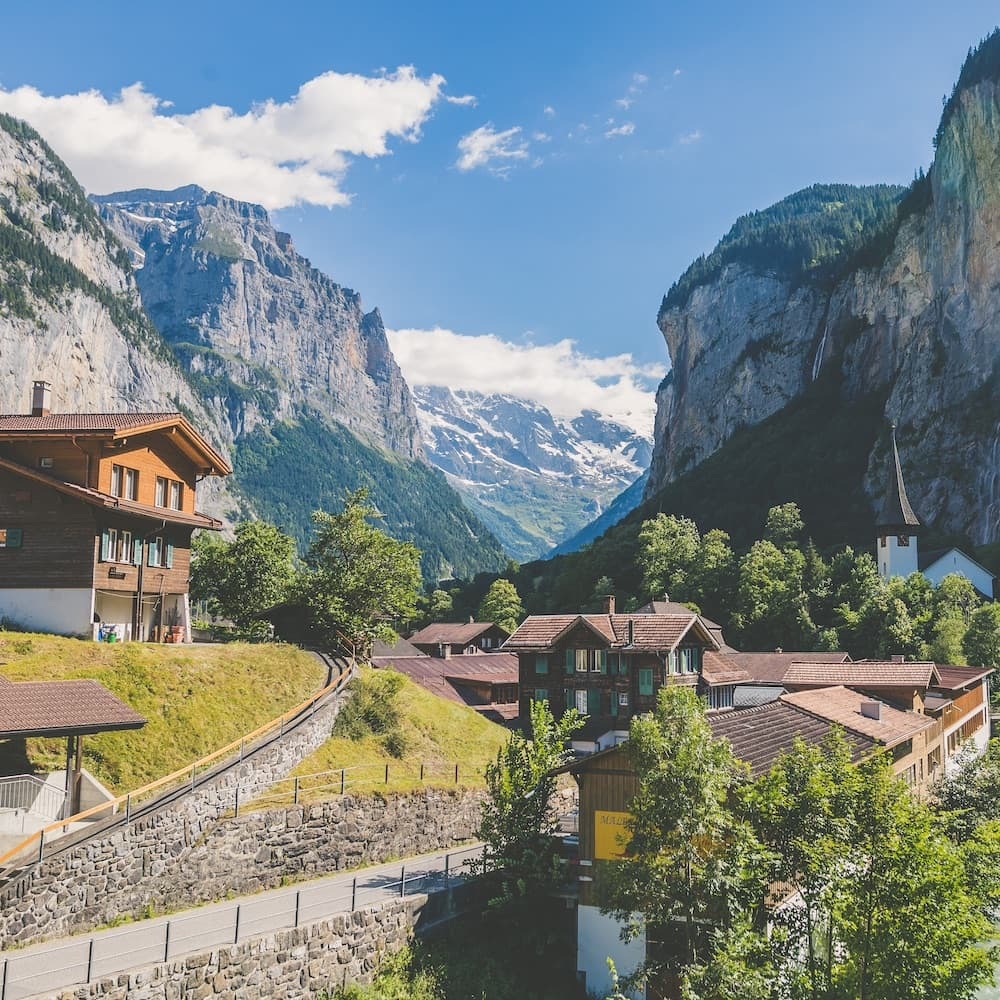
The Swiss Alps are why most people come. Mountains, glaciers, alpine villages, and hiking trails everywhere. Zermatt has the Matterhorn (one of the most iconic peaks in the Alps). It's car-free, expensive, and stunning. Interlaken is the adventure sports capital of Switzerland (paragliding, skydiving, bungee jumping). It's touristy but surrounded by mountains and lakes. Jungfraujoch (the "Top of Europe") is a train journey to a viewpoint at 3,454 meters with views of glaciers and peaks. It's expensive (around $200 roundtrip) but breathtaking. Grindelwald and Lauterbrunnen are alpine villages with waterfalls, hiking trails, and postcard views.
The Swiss lakes are beautiful. Lake Geneva (Lac Léman) is surrounded by vineyards and has cities like Geneva and Lausanne on its shores. Lake Lucerne is surrounded by mountains and has the city of Lucerne on its edge. Lake Como (technically in Italy but close to the Swiss border) is also stunning.
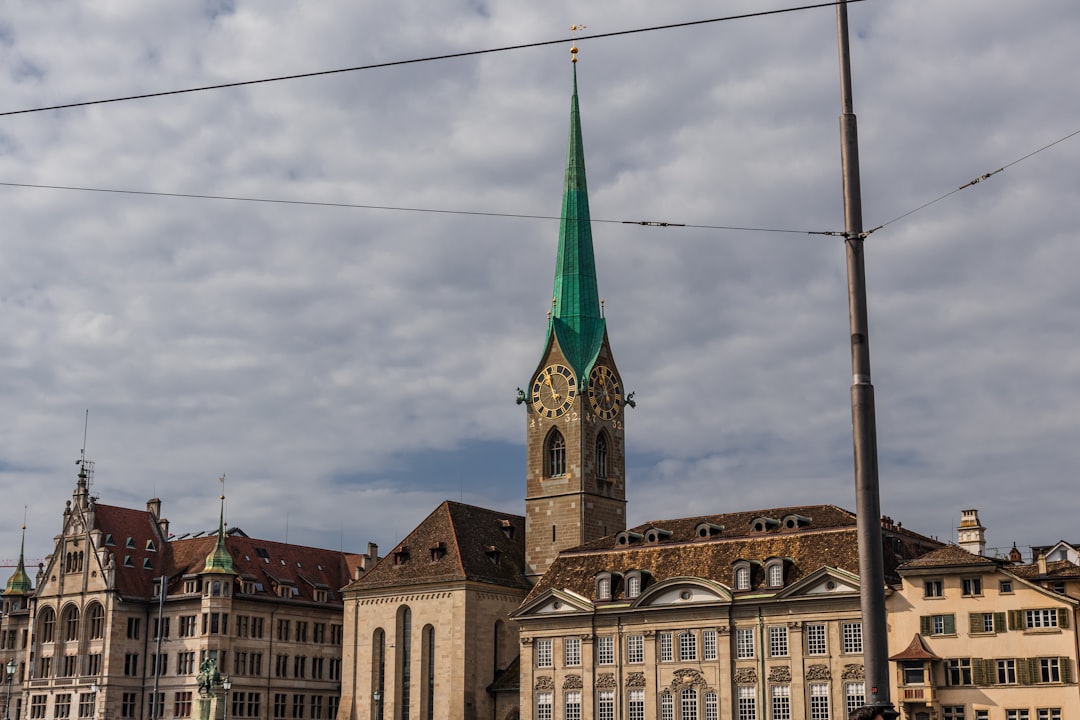
Zurich is Switzerland's largest city. It's clean, efficient, expensive, and a bit boring compared to other European cities. The old town is charming. The lake is beautiful. But Zurich is mostly a financial hub, not a tourist destination. It's a good base if you're exploring the rest of Switzerland.
Geneva is international, multicultural, and home to the UN and Red Cross. It's on Lake Geneva with views of the Alps in the distance. It's expensive and a bit sterile, but it's also beautiful and well-located.
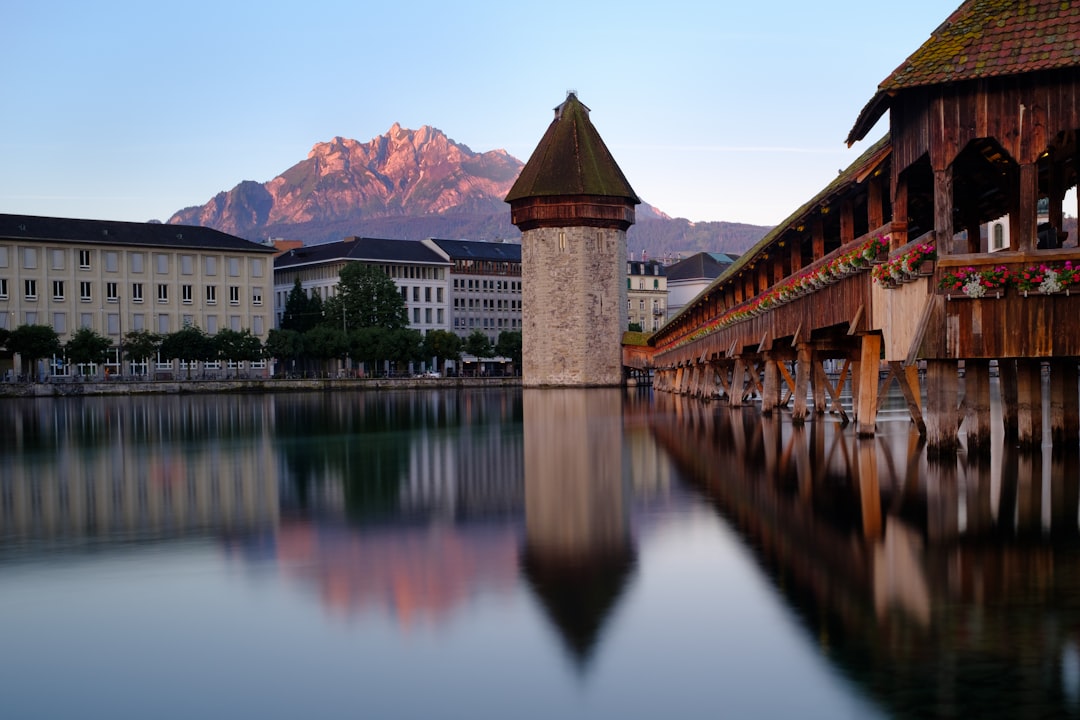
Lucerne is the most charming Swiss city. It has a beautiful lake, a wooden covered bridge (Chapel Bridge), and mountains in every direction. It's touristy but worth a day or two.
Bern is the capital and has a charming old town (UNESCO site) with arcaded streets, a clock tower, and bear pits (yes, real bears). It's less touristy than Zurich or Lucerne.
Swiss trains are the best in Europe. They're punctual (to the minute), clean, comfortable, and scenic. The train journeys are attractions in themselves. The Glacier Express (from Zermatt to St. Moritz) and the Bernina Express (from Chur to Tirano, Italy) are two of the most scenic train routes in the world. They're expensive but unforgettable.
Swiss food is cheese and chocolate. Fondue (melted cheese, bread for dipping). Raclette (melted cheese scraped onto potatoes). Swiss chocolate (Lindt, Toblerone, and countless local chocolatiers). Rösti (shredded potato pancake) is a Swiss staple. Swiss food is rich, heavy, and delicious. A meal at a restaurant will easily cost $25-40.
Swiss people are reserved, polite, and value order. They're punctual, efficient, and expect you to be too. Don't be loud on public transportation. Don't litter. Follow the rules. The Swiss take rules seriously. English is widely spoken, especially in cities.
Getting around is easy. Trains connect everything. The Swiss Travel Pass gives you unlimited train, bus, and boat travel for a set number of days. It's expensive ($250-500 depending on how many days) but worth it if you're moving around a lot. Buses and boats connect smaller towns and lakes.
Switzerland is one of the most expensive countries in the world. Hostels run $40-80/night. A meal at a restaurant is $25-40. A coffee is $5-7. A beer is $7-10. Groceries are expensive too. Budget travelers struggle here. If you're on a tight budget, buy groceries, cook your own meals, stay in hostels, and limit restaurant meals.
When to go: Summer (June-September) is perfect for hiking. The weather is warm, the trails are open, and the mountains are accessible. Winter (December-March) is skiing season. Spring (April-May) and fall (October-November) are quieter and cheaper, but some mountain areas are closed.
Switzerland is stunningly beautiful, efficient, and expensive. If you have the budget and love mountains, it's worth every franc. If you're broke, admire it from the train window as you pass through.
Switzerland Travel Guide
Switzerland has mountains, lakes, chocolate, cheese, and prices that'll make you wince. It's stunningly beautiful, efficient, and clean. The Alps are incredible for hiking in summer and skiing in winter. Cities like Zurich, Geneva, and Lucerne are picturesque but expensive. Swiss trains are the best in Europe (punctual, comfortable, scenic). Swiss people are reserved and value order. The food is fondue, raclette, and chocolate. It's one of the most expensive countries in the world, not just Europe. If you have the budget and love mountains, Switzerland is worth it. If you're broke, skip it or just pass through.
Overview
Switzerland Details
🛂 Schengen Country
Yes
Switzerland Costs
See something wrong or missing? Help update ✏️ costs for Switzerland.
💰 Cost Per Day
No data yet — be the first! ✏️
🎒💵 Cost Per Day - Backpacker
No data yet — be the first! ✏️
👨👩👧👦💵 Cost Per Day - Family
No data yet — be the first! ✏️
💰🤑 Cost Per Day - Luxury
No data yet — be the first! ✏️
🛌 Sleeping
No data yet — be the first! ✏️
🏕️ Camping (per Day)
No data yet — be the first! ✏️
🏕️ Camping (per Week)
No data yet — be the first! ✏️
🏕️ Camping (per Month)
No data yet — be the first! ✏️
🍝 Food
No data yet — be the first! ✏️
🍳 Breakfast (for 1)
No data yet — be the first! ✏️
👨👩👧👦🍳 Breakfast (family)
No data yet — be the first! ✏️
🍔 Lunch (for 1)
No data yet — be the first! ✏️
👨👩👧👦🍔 Lunch (family)
No data yet — be the first! ✏️
🍽 Dinner (for 1)
No data yet — be the first! ✏️
👨👩👧👦🍽 Dinner (family)
No data yet — be the first! ✏️
☕️ Coffee
No data yet — be the first! ✏️
🥤 Coca Cola (0.3L)
No data yet — be the first! ✏️
🥪 Sandwich
No data yet — be the first! ✏️
🥖 Bread
No data yet — be the first! ✏️
🍿 Snacks
No data yet — be the first! ✏️
🍺 Beer (0.5L)
No data yet — be the first! ✏️
🍷 Wine (glass)
No data yet — be the first! ✏️
🍾 Wine (bottle)
No data yet — be the first! ✏️
💧 Water (bottle)
No data yet — be the first! ✏️
🍕 Street Food (for 1)
No data yet — be the first! ✏️
🚙 Transportation
No data yet — be the first! ✏️
🚙 Car Rental (per Day)
No data yet — be the first! ✏️
🚙 Car Rental (per Week)
No data yet — be the first! ✏️
🚙 Car Rental (per Month)
No data yet — be the first! ✏️
🚂🎟️ Train Ticket (single)
No data yet — be the first! ✏️
🚌🎟️ City-to-City Bus Ticket (single)
No data yet — be the first! ✏️
⛽️ Gas/Fuel
No data yet — be the first! ✏️
🚧 Tolls
No data yet — be the first! ✏️
🚊🎟️ City Transit Pass
No data yet — be the first! ✏️
🛬🚌 Airport Transfer
No data yet — be the first! ✏️
📸 Sightseeing
No data yet — be the first! ✏️
🎟 Museum Entry
No data yet — be the first! ✏️
🏰 Attraction Entry
No data yet — be the first! ✏️
🚶♂️ Guided Tours
No data yet — be the first! ✏️
💶 Other
No data yet — be the first! ✏️
👨💻 Co-working
No data yet — be the first! ✏️
🧼 Laundry
No data yet — be the first! ✏️
💁♂️💶 Tipping
No data yet — be the first! ✏️
📲 Mobile Data (~10GB)
No data yet — be the first! ✏️
🛰️ Luggage Storage / Locker (daily)
No data yet — be the first! ✏️
Switzerland Scores
See something wrong or missing? Help update ✏️ scores for Switzerland.
🤩 Overall Score
No data yet — be the first! 🗳️
💵 Cost
No data yet — be the first! 🗳️
💵 Income Level
No data yet — be the first! 🗳️
🌡 Temperature (Now)
No data yet — be the first! 🗳️
🌡 Temperature (Average)
No data yet — be the first! 🗳️
🌦 Weather
No data yet — be the first! 🗳️
💧 Humidity (Now)
No data yet — be the first! 🗳️
💧 Humidity (Average)
No data yet — be the first! 🗳️
☔️ Rain (Annual)
No data yet — be the first! 🗳️
☀️ Sunshine (Hours Per Day)
No data yet — be the first! 🗳️
💨 Wind
No data yet — be the first! 🗳️
🦹♂️ Safety
No data yet — be the first! 🗳️
🚙 Traffic Safety
No data yet — be the first! 🗳️
👩🏻 Female Friendly
No data yet — be the first! 🗳️
✌️ Peace (No Wars / Political Conflict)
No data yet — be the first! 🗳️
🎉 Fun
No data yet — be the first! 🗳️
💃 Nightlife
No data yet — be the first! 🗳️
😘 For Singles
No data yet — be the first! 🗳️
👩❤️👨 For Couples
No data yet — be the first! 🗳️
👨👩👧👦 Family Score
No data yet — be the first! 🗳️
🚶♂️ Walkability
No data yet — be the first! 🗳️
🚶♂️ Easy To Get Around
No data yet — be the first! 🗳️
👨🦽 Accessibility
No data yet — be the first! 🗳️
📡 Internet
No data yet — be the first! 🗳️
📡 Free Wifi
No data yet — be the first! 🗳️
👨💻 Co-working Places
No data yet — be the first! 🗳️
❄️ A/C
No data yet — be the first! 🗳️
🏥 Hospitals
No data yet — be the first! 🗳️
😃 Happiness
No data yet — be the first! 🗳️
🤝 Friendliness
No data yet — be the first! 🗳️
🤗 Hospitality
No data yet — be the first! 🗳️
🇬🇧 English Speaking
No data yet — be the first! 🗳️
👱♂️👨🏾 Racial Tolerance
No data yet — be the first! 🗳️
🏳️🌈 LGBTQ+ Friendly
No data yet — be the first! 🗳️
🎓 Education Level
No data yet — be the first! 🗳️
🧹 Clean
No data yet — be the first! 🗳️
👍 Rated By Members
No data yet — be the first! 🗳️
👍 Liked By Eurotriprs
No data yet — be the first! 🗳️
Trip itineraries that include Switzerland.
🗓️
17 days
🇪🇺 4
💰 $1,572
💵 $92/day
Europe Highlights In 2 Weeks
0%
0%
📆 Total Days: 17
🛂 Schengen Days: 14
💰 Total Cost: $1,572
💵 Daily Cost: $92
🇪🇺 Countries: 4
🗓️
75 days
🇪🇺 10
💰 $5,804
💵 $80/day
Summer In Europe
0%
0%
📆 Total Days: 75
🛂 Schengen Days: 39
💰 Total Cost: $5,804
💵 Daily Cost: $80
🇪🇺 Countries: 10
Average monthly weather for Switzerland
| Monthly Averages | Jan | Feb | Mar | Apr | May | Jun | Jul | Aug | Sep | Oct | Nov | Dec |
|---|---|---|---|---|---|---|---|---|---|---|---|---|
| Weather | ❄️ Snowy | ❄️ Snowy | ❄️ Snowy | ❄️ Snowy | 🌦️ Sun & Rain | 🌦️ Sun & Rain | 🌦️ Sun & Rain | 🌦️ Sun & Rain | 🌦️ Sun & Rain | 🌦️ Sun & Rain | ❄️ Snowy | ❄️ Snowy |
| Avg. Temp. | 25° F 🥶 Freezing | 29° F 🥶 Freezing | 32° F 🥶 Freezing | 38° F ⛄️ Cold | 45° F ⛄️ Cold | 55° F 😰 Cool | 57° F 😰 Cool | 57° F 😰 Cool | 50° F 😰 Cool | 44° F ⛄️ Cold | 33° F ⛄️ Cold | 29° F 🥶 Freezing |
| Feels Like | 19° F 🥶 Freezing | 23° F 🥶 Freezing | 26° F 🥶 Freezing | 33° F ⛄️ Cold | 41° F ⛄️ Cold | 54° F 😰 Cool | 57° F 😰 Cool | 56° F 😰 Cool | 48° F 😰 Cool | 40° F ⛄️ Cold | 28° F 🥶 Freezing | 22° F 🥶 Freezing |
| High Temp. | 32° F | 37° F | 39° F | 45° F | 52° F | 62° F | 64° F | 64° F | 58° F | 52° F | 41° F | 36° F |
| Low Temp. | 18° F | 22° F | 23° F | 29° F | 37° F | 46° F | 49° F | 49° F | 43° F | 36° F | 26° F | 22° F |
| Sunrise | 07:04 am | 06:30 am | 05:36 am | 04:37 am | 03:51 am | 03:32 am | 03:49 am | 04:25 am | 05:04 am | 05:46 am | 06:29 am | 07:04 am |
| Sunset | 04:06 pm (16:06) | 04:49 pm (16:49) | 05:32 pm (17:32) | 06:14 pm (18:14) | 06:54 pm (18:54) | 07:21 pm (19:21) | 07:14 pm (19:14) | 06:34 pm (18:34) | 05:37 pm (17:37) | 04:38 pm (16:38) | 03:53 pm (15:53) | 03:40 pm (15:40) |
| Sunlight | ☀️ 6h | ☀️ 7h | ☀️ 8h | ☀️ 10h | ☀️ 9h | ☀️ 12h | ☀️ 12h | ☀️ 11h | ☀️ 9h | ☀️ 7h | ☀️ 6h | ☀️ 5h |
| Sunny Days | 17 | 18 | 22 | 24 | 22 | 27 | 28 | 27 | 24 | 22 | 17 | 17 |
| Clouds | 69% | 67% | 64% | 64% | 73% | 63% | 61% | 58% | 64% | 67% | 70% | 66% |
| Humidity | 😥 74% | 😥 72% | 😥 75% | 💦 76% | 💦 81% | 💦 79% | 💦 80% | 💦 81% | 💦 84% | 💦 80% | 💦 79% | 😥 73% |
| Rain | 1 in. (3 Days) | 1 in. (3 Days) | 1 in. (5 Days) | 2 in. (9 Days) | 7 in. (21 Days) | 8 in. (21 Days) | 8 in. (21 Days) | 8 in. (18 Days) | 6 in. (17 Days) | 5 in. (12 Days) | 2 in. (7 Days) | 1 in. (4 Days) |
| Snow | 34 in. (13 Days) | 27 in. (11 Days) | 29 in. (12 Days) | 24 in. (8 Days) | 10 in. (5 Days) | 0 in. (0 Days) | 0 in. (0 Days) | 0 in. (0 Days) | 2 in. (1 Days) | 6 in. (3 Days) | 24 in. (10 Days) | 27 in. (12 Days) |
| Wind | 2.81 mph | 2.75 mph | 2.75 mph | 2.83 mph | 2.73 mph | 2.62 mph | 2.62 mph | 2.47 mph | 2.45 mph | 2.73 mph | 2.6 mph | 2.66 mph |
| Last updated on: Apr 2026 | Source: Open Meteo | |||||||||||
⚠️ Weather and climate is for monthly averages for Switzerland. Current weather and temperatures might be different on any given day. This table is for planning purposes. Please check current weather forecasts before your trip.

Switzerland
A narrow city street with a church steeple in the background
Photo by Anna Stampfli on Unsplash


Switzerland
Green and white concrete building under cloudy sky during daytime
Photo by Simon Infanger on Unsplash


Switzerland
A body of water surrounded by buildings and a clock tower
Photo by Noah Grossenbacher on Unsplash

Switzerland
White and brown concrete building near body of water during daytime
Photo by Danyu Wang on Unsplash

Switzerland
White and black house near green trees and snow covered mountain during daytime
Photo by Yura Lytkin on Unsplash

Switzerland
A scenic view of a town with mountains in the background
Photo by Alin Andersen on Unsplash


Switzerland
A large body of water with buildings and mountains in the background


Switzerland
White boat on water near brown concrete building during daytime


Cities in Switzerland
Rank
1
Daily Cost
$110
Weather Now
☀️ 47°
Liked?
🤩
Interlaken
Switzerland

0%
0%
🌟 Overall
💸 Cost
📡 Internet
🎉 Fun
👮♀️ Safety
Rank
2
Daily Cost
$115
Weather Now
🌤️ 49°
Liked?
😍
Lucerne
Switzerland
0%
0%
🌟 Overall
💸 Cost
📡 Internet
🎉 Fun
👮♀️ Safety
Rank
3
Daily Cost
$120
Weather Now
🌤️ 50°
Liked?
😀
Zurich
Switzerland
0%
0%