 EuroTripr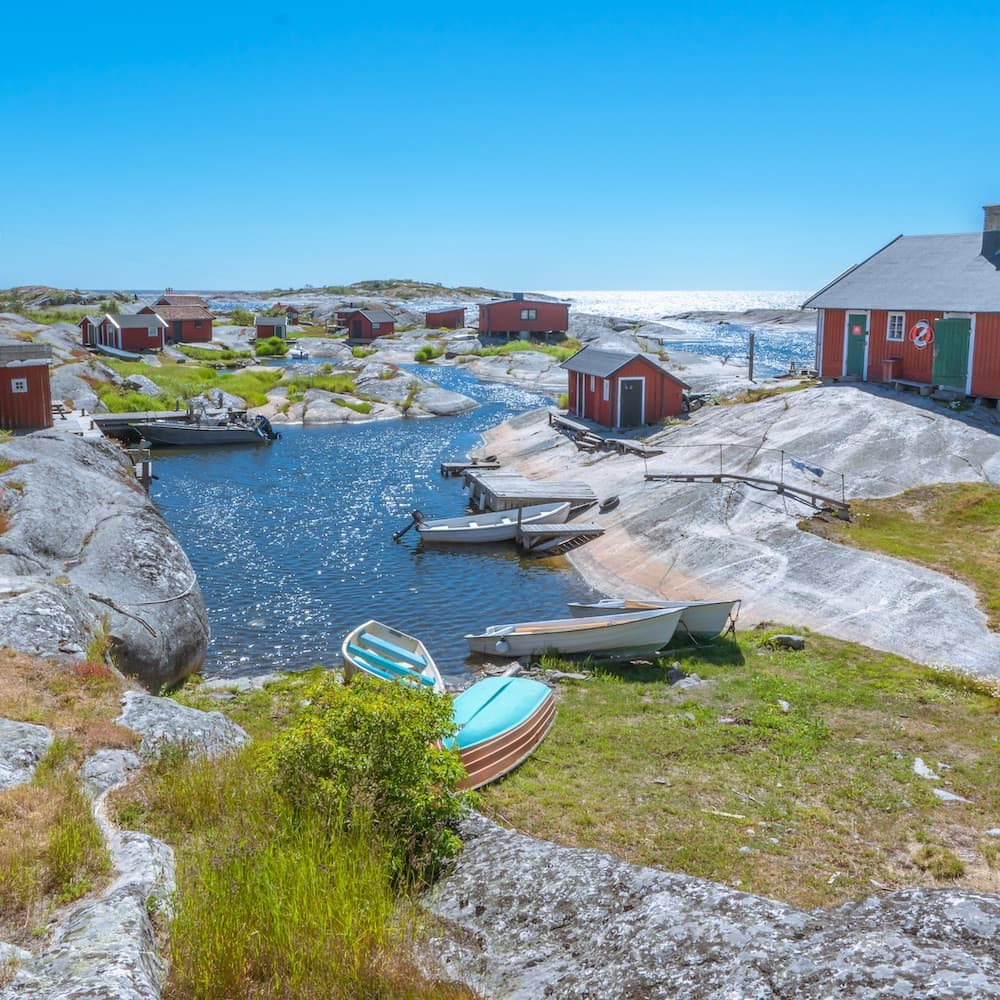
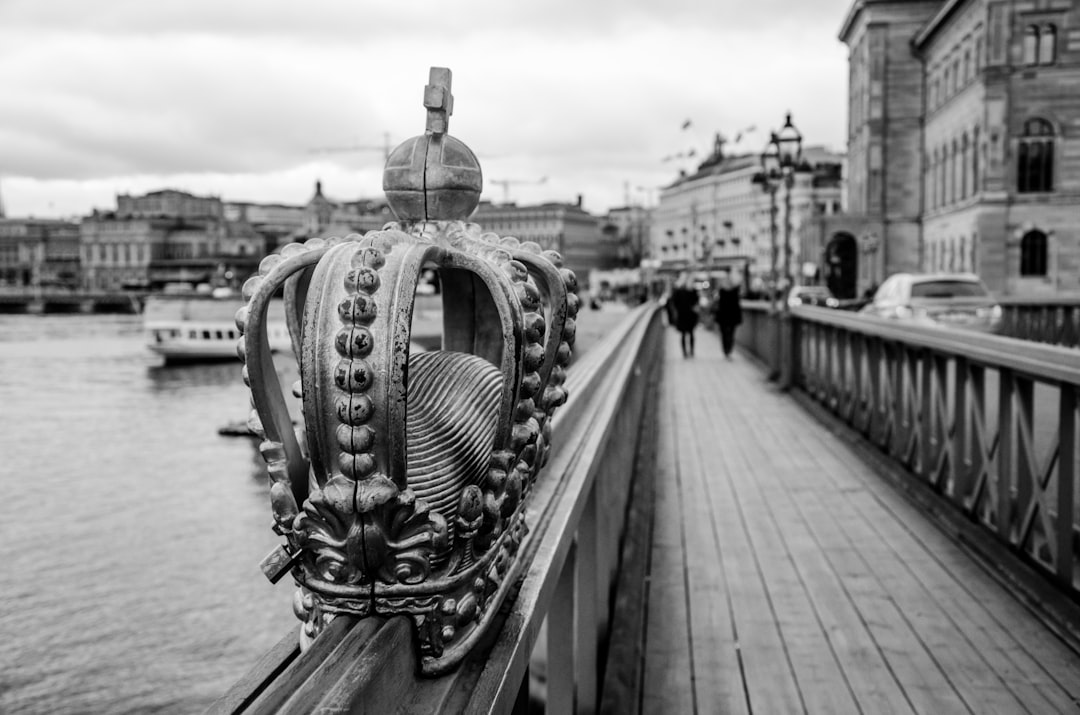
Stockholm is built on 14 islands connected by bridges. It's one of Europe's most beautiful capitals. Gamla Stan (the old town) has narrow cobblestone streets, colorful buildings, and the Royal Palace (one of the largest palaces in Europe). You can watch the changing of the guard and tour the state apartments. The Vasa Museum has a 17th-century warship that sank on its maiden voyage and was salvaged 333 years later. It's remarkably preserved and the most visited museum in Scandinavia. The ABBA Museum is cheesy fun if you like ABBA. Djurgården is an island with museums, parks, and the Skansen open-air museum (historic buildings and a zoo).
Stockholm has a great design scene. Swedish design (furniture, fashion, minimalism) is everywhere. The Fotografiska (photography museum) and the Moderna Museet (modern art) are worth visiting.
Stockholm is expensive. Hostels run 300-500 SEK ($30-50)/night. A meal at a restaurant is 150-250 SEK ($15-25). A coffee is 40-50 SEK ($4-5).
Gothenburg on the west coast is Sweden's second-largest city. It's more laid-back than Stockholm with canals, seafood restaurants, and the Liseberg amusement park. The Haga neighborhood has cobblestone streets and cafés. Gothenburg has a younger, more relaxed vibe.
Uppsala north of Stockholm is a university town with a massive Gothic cathedral, a castle, and the grave of Carl Linnaeus (the botanist who created the system for naming organisms).
The Icehotel in Jukkasjärvi (far north) is a hotel made entirely of ice and snow. It's rebuilt every winter. It's expensive and freezing, but it's a unique experience.
Lapland in the far north is Sami culture, reindeer, Northern Lights in winter (September-March), and midnight sun in summer (May-July). Abisko National Park is one of the best places in the world to see the Northern Lights. Lapland is remote, expensive, and magical.
The Swedish countryside has forests, lakes, and summer cottages. Swedes love nature and spend summers at their summer houses swimming, fishing, and relaxing. The Right of Public Access (Allemansrätten) allows you to camp, hike, and forage almost anywhere (as long as you respect nature and private property).
Swedish food is meatballs (yes, IKEA meatballs are real), herring (pickled, smoked, fried), gravlax (cured salmon), knäckebröd (crispbread), and kanelbullar (cinnamon buns). Swedish food is simple and focused on local ingredients. A fika (coffee break with pastries) is a Swedish institution. Swedes take fika seriously.
Swedish people are reserved, polite, and value personal space. They're not overly warm or chatty, but they're friendly and helpful if you ask. They speak perfect English (Sweden has some of the highest English proficiency in the world). Swedes value equality, sustainability, and work-life balance.
Getting around is easy. Trains connect Stockholm, Gothenburg, and other cities. Buses go everywhere. Stockholm has an excellent metro, buses, and ferries between the islands. If you want to explore the countryside or Lapland, rent a car or take long-distance buses or trains.
Sweden is one of the most expensive countries in Europe. Budget travelers struggle here. If you're on a tight budget, cook your own meals, stay in hostels, and use public transportation.
When to go: Summer (June-August) has the best weather (18-25°C/65-77°F) and midnight sun in the north. Days are long, and Swedes are in good moods. Spring (April-May) and fall (September-October) are cooler and quieter. Winter (November-March) is cold, dark, and snowy, but it's the best time for Northern Lights and winter activities.
Sweden is clean, beautiful, and expensive. Stockholm is one of the most beautiful capitals in Europe. If you have the budget and want Scandinavian design and nature, it's worth it. If you're broke, limit your time here.
Sweden Travel Guide
Sweden has Stockholm (a beautiful capital on 14 islands), wilderness, Northern Lights in the far north, and midnight sun in summer. It's clean, safe, and one of the most expensive countries in Europe. Stockholm has museums, palaces, and a charming old town. The countryside has forests, lakes, and small towns. Gothenburg on the west coast is laid-back with canals and seafood. Swedish food is meatballs, herring, and cinnamon buns. The people are reserved, polite, and speak perfect English. If you have the budget and want Scandinavian design and nature, Sweden delivers. If you're broke, it'll hurt.
Overview
Sweden Details
🛂 Schengen Country
Yes
Sweden Costs
See something wrong or missing? Help update ✏️ costs for Sweden.
💰 Cost Per Day
No data yet — be the first! ✏️
🎒💵 Cost Per Day - Backpacker
No data yet — be the first! ✏️
👨👩👧👦💵 Cost Per Day - Family
No data yet — be the first! ✏️
💰🤑 Cost Per Day - Luxury
No data yet — be the first! ✏️
🛌 Sleeping
No data yet — be the first! ✏️
🏕️ Camping (per Day)
No data yet — be the first! ✏️
🏕️ Camping (per Week)
No data yet — be the first! ✏️
🏕️ Camping (per Month)
No data yet — be the first! ✏️
🍝 Food
No data yet — be the first! ✏️
🍳 Breakfast (for 1)
No data yet — be the first! ✏️
👨👩👧👦🍳 Breakfast (family)
No data yet — be the first! ✏️
🍔 Lunch (for 1)
No data yet — be the first! ✏️
👨👩👧👦🍔 Lunch (family)
No data yet — be the first! ✏️
🍽 Dinner (for 1)
No data yet — be the first! ✏️
👨👩👧👦🍽 Dinner (family)
No data yet — be the first! ✏️
☕️ Coffee
No data yet — be the first! ✏️
🥤 Coca Cola (0.3L)
No data yet — be the first! ✏️
🥪 Sandwich
No data yet — be the first! ✏️
🥖 Bread
No data yet — be the first! ✏️
🍿 Snacks
No data yet — be the first! ✏️
🍺 Beer (0.5L)
No data yet — be the first! ✏️
🍷 Wine (glass)
No data yet — be the first! ✏️
🍾 Wine (bottle)
No data yet — be the first! ✏️
💧 Water (bottle)
No data yet — be the first! ✏️
🍕 Street Food (for 1)
No data yet — be the first! ✏️
🚙 Transportation
No data yet — be the first! ✏️
🚙 Car Rental (per Day)
No data yet — be the first! ✏️
🚙 Car Rental (per Week)
No data yet — be the first! ✏️
🚙 Car Rental (per Month)
No data yet — be the first! ✏️
🚂🎟️ Train Ticket (single)
No data yet — be the first! ✏️
🚌🎟️ City-to-City Bus Ticket (single)
No data yet — be the first! ✏️
⛽️ Gas/Fuel
No data yet — be the first! ✏️
🚧 Tolls
No data yet — be the first! ✏️
🚊🎟️ City Transit Pass
No data yet — be the first! ✏️
🛬🚌 Airport Transfer
No data yet — be the first! ✏️
📸 Sightseeing
No data yet — be the first! ✏️
🎟 Museum Entry
No data yet — be the first! ✏️
🏰 Attraction Entry
No data yet — be the first! ✏️
🚶♂️ Guided Tours
No data yet — be the first! ✏️
💶 Other
No data yet — be the first! ✏️
👨💻 Co-working
No data yet — be the first! ✏️
🧼 Laundry
No data yet — be the first! ✏️
💁♂️💶 Tipping
No data yet — be the first! ✏️
📲 Mobile Data (~10GB)
No data yet — be the first! ✏️
🛰️ Luggage Storage / Locker (daily)
No data yet — be the first! ✏️
Sweden Scores
See something wrong or missing? Help update ✏️ scores for Sweden.
🤩 Overall Score
No data yet — be the first! 🗳️
💵 Cost
No data yet — be the first! 🗳️
💵 Income Level
No data yet — be the first! 🗳️
🌡 Temperature (Now)
No data yet — be the first! 🗳️
🌡 Temperature (Average)
No data yet — be the first! 🗳️
🌦 Weather
No data yet — be the first! 🗳️
💧 Humidity (Now)
No data yet — be the first! 🗳️
💧 Humidity (Average)
No data yet — be the first! 🗳️
☔️ Rain (Annual)
No data yet — be the first! 🗳️
☀️ Sunshine (Hours Per Day)
No data yet — be the first! 🗳️
💨 Wind
No data yet — be the first! 🗳️
🦹♂️ Safety
No data yet — be the first! 🗳️
🚙 Traffic Safety
No data yet — be the first! 🗳️
👩🏻 Female Friendly
No data yet — be the first! 🗳️
✌️ Peace (No Wars / Political Conflict)
No data yet — be the first! 🗳️
🎉 Fun
No data yet — be the first! 🗳️
💃 Nightlife
No data yet — be the first! 🗳️
😘 For Singles
No data yet — be the first! 🗳️
👩❤️👨 For Couples
No data yet — be the first! 🗳️
👨👩👧👦 Family Score
No data yet — be the first! 🗳️
🚶♂️ Walkability
No data yet — be the first! 🗳️
🚶♂️ Easy To Get Around
No data yet — be the first! 🗳️
👨🦽 Accessibility
No data yet — be the first! 🗳️
📡 Internet
No data yet — be the first! 🗳️
📡 Free Wifi
No data yet — be the first! 🗳️
👨💻 Co-working Places
No data yet — be the first! 🗳️
❄️ A/C
No data yet — be the first! 🗳️
🏥 Hospitals
No data yet — be the first! 🗳️
😃 Happiness
No data yet — be the first! 🗳️
🤝 Friendliness
No data yet — be the first! 🗳️
🤗 Hospitality
No data yet — be the first! 🗳️
🇬🇧 English Speaking
No data yet — be the first! 🗳️
👱♂️👨🏾 Racial Tolerance
No data yet — be the first! 🗳️
🏳️🌈 LGBTQ+ Friendly
No data yet — be the first! 🗳️
🎓 Education Level
No data yet — be the first! 🗳️
🧹 Clean
No data yet — be the first! 🗳️
👍 Rated By Members
No data yet — be the first! 🗳️
👍 Liked By Eurotriprs
No data yet — be the first! 🗳️
Average monthly weather for Sweden
| Monthly Averages | Jan | Feb | Mar | Apr | May | Jun | Jul | Aug | Sep | Oct | Nov | Dec |
|---|---|---|---|---|---|---|---|---|---|---|---|---|
| Weather | ❄️ Snowy | ❄️ Snowy | ☀️ Sunny | ⛅ Partly cloudy | ⛅ Partly cloudy | ⛅ Partly cloudy | 🌦️ Sun & Rain | 🌦️ Sun & Rain | ⛅ Partly cloudy | 🌧️ Rainy | 🌦️ Sun & Rain | ❄️ Snowy |
| Avg. Temp. | 30° F 🥶 Freezing | 30° F 🥶 Freezing | 35° F ⛄️ Cold | 40° F ⛄️ Cold | 50° F 😰 Cool | 60° F 😰 Cool | 63° F 👌 Nice | 62° F 👌 Nice | 56° F 😰 Cool | 46° F 😰 Cool | 38° F ⛄️ Cold | 33° F ⛄️ Cold |
| Feels Like | 21° F 🥶 Freezing | 21° F 🥶 Freezing | 27° F 🥶 Freezing | 32° F ⛄️ Cold | 44° F ⛄️ Cold | 57° F 😰 Cool | 62° F 👌 Nice | 60° F 👌 Nice | 52° F 😰 Cool | 40° F ⛄️ Cold | 31° F 🥶 Freezing | 25° F 🥶 Freezing |
| High Temp. | 33° F | 34° F | 41° F | 46° F | 57° F | 66° F | 69° F | 68° F | 61° F | 51° F | 42° F | 36° F |
| Low Temp. | 26° F | 25° F | 29° F | 34° F | 42° F | 52° F | 56° F | 56° F | 51° F | 42° F | 35° F | 29° F |
| Sunrise | 07:29 am | 06:23 am | 04:57 am | 03:25 am | 02:04 am | 01:22 am | 01:51 am | 03:01 am | 04:14 am | 05:27 am | 06:44 am | 07:40 am |
| Sunset | 02:18 pm (14:18) | 03:33 pm (15:33) | 04:48 pm (16:48) | 06:04 pm (18:04) | 07:18 pm (19:18) | 08:08 pm (20:08) | 07:49 pm (19:49) | 06:35 pm (18:35) | 05:05 pm (17:05) | 03:33 pm (15:33) | 02:15 pm (14:15) | 01:40 pm (13:40) |
| Sunlight | ☀️ 2h | ☀️ 4h | ☀️ 7h | ☀️ 10h | ☀️ 13h | ☀️ 15h | ☀️ 14h | ☀️ 12h | ☀️ 9h | ☀️ 5h | ☀️ 3h | ☀️ 1h |
| Sunny Days | 2 | 10 | 20 | 24 | 28 | 28 | 30 | 28 | 24 | 15 | 5 | - |
| Clouds | 81% | 74% | 65% | 58% | 54% | 52% | 54% | 62% | 64% | 72% | 79% | 81% |
| Humidity | 💦 84% | 💦 81% | 💦 76% | 😥 73% | 😥 69% | 😥 69% | 😥 74% | 💦 76% | 💦 79% | 💦 82% | 💦 86% | 💦 87% |
| Rain | 1 in. (5 Days) | 1 in. (3 Days) | 1 in. (4 Days) | 1 in. (7 Days) | 2 in. (8 Days) | 2 in. (8 Days) | 3 in. (13 Days) | 3 in. (13 Days) | 2 in. (10 Days) | 3 in. (13 Days) | 2 in. (9 Days) | 1 in. (8 Days) |
| Snow | 8 in. (5 Days) | 6 in. (4 Days) | 5 in. (3 Days) | 3 in. (3 Days) | 0 in. (0 Days) | 0 in. (0 Days) | 0 in. (0 Days) | 0 in. (0 Days) | 0 in. (0 Days) | 0 in. (0 Days) | 4 in. (2 Days) | 6 in. (5 Days) |
| Wind | 10.91 mph | 9.92 mph | 9.78 mph | 9.08 mph | 8.14 mph | 8.16 mph | 7.61 mph | 8.53 mph | 8.71 mph | 10.17 mph | 9.85 mph | 10.26 mph |
| Last updated on: Apr 2026 | Source: Open Meteo | |||||||||||
⚠️ Weather and climate is for monthly averages for Sweden. Current weather and temperatures might be different on any given day. This table is for planning purposes. Please check current weather forecasts before your trip.


Sweden
Riddarholm Church in Stockholm, Sweden near body of water
Photo by Patrick Strack on Unsplash