 EuroTripr
Barcelona is Gaudí architecture, beaches, and Mediterranean energy. The Sagrada Família (Gaudí's unfinished basilica) is stunning and surreal. It's been under construction since 1882 and still isn't finished. Book tickets months in advance. Park Güell (another Gaudí creation) has colorful mosaics and views over the city. La Rambla is the famous pedestrian street packed with tourists, street performers, and pickpockets (watch your stuff). The Gothic Quarter has narrow medieval streets and a more local vibe. Barceloneta is the beach neighborhood. The beach isn't the best in Spain, but it's there. Barcelona is lively, touristy, and one of the most visited cities in Europe.
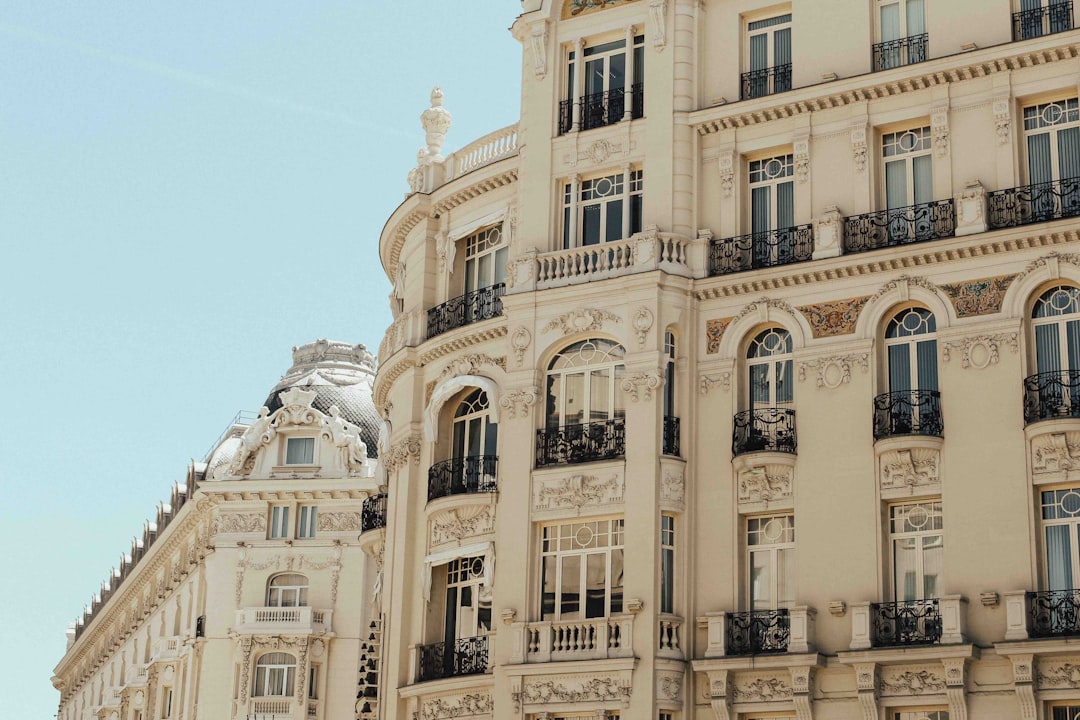
Madrid is museums, parks, and nightlife. The Prado Museum has one of the best art collections in the world (Velázquez, Goya, El Greco). The Reina Sofía has modern art (including Picasso's Guernica). Retiro Park is massive and perfect for a lazy afternoon. Plaza Mayor and Puerta del Sol are the main squares (touristy but lively). Madrid doesn't have the beaches or Gaudí architecture of Barcelona, but it has energy, culture, and some of the best nightlife in Europe. Dinner starts at 9-10pm, and people don't go out until midnight.
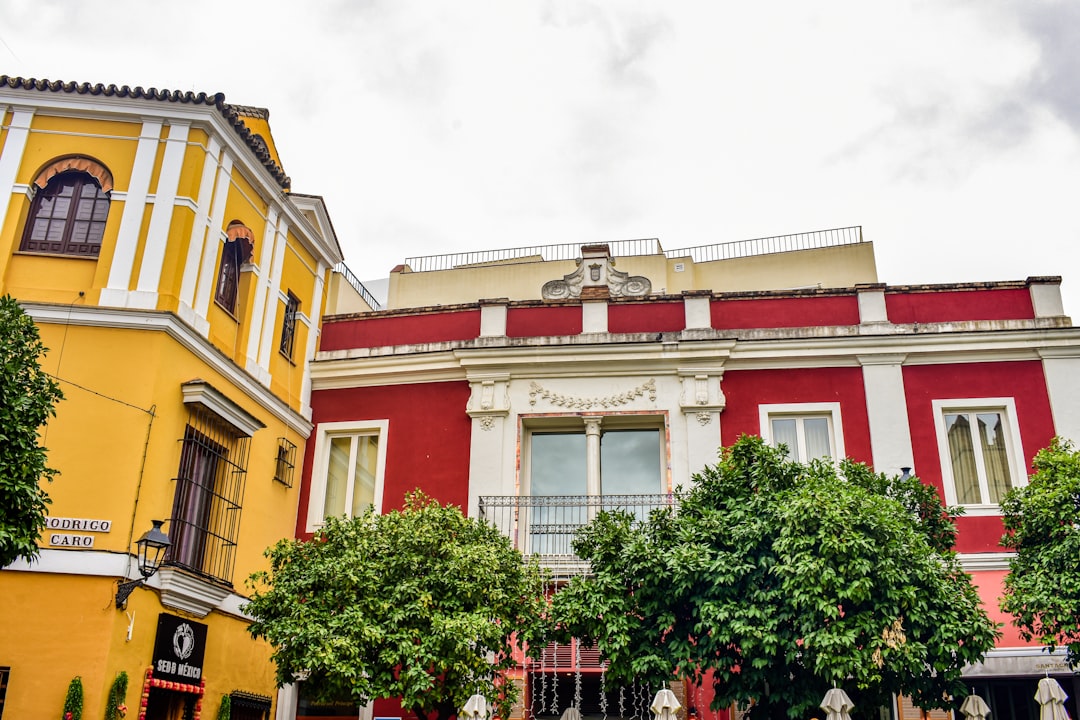
Seville in the south is flamenco, Moorish architecture, and heat. The Alcázar (a Moorish palace) is stunning. Game of Thrones filmed here. The Seville Cathedral is massive (the largest Gothic cathedral in the world), and you can climb the Giralda tower for views over the city. Flamenco shows happen nightly in small venues. Seville is hot in summer (40°C+/104°F+), so go in spring or fall.
Granada has the Alhambra, a Moorish palace and fortress on a hill overlooking the city. It's one of the most beautiful and most visited sites in Spain. Book tickets months in advance or you won't get in. Granada is smaller and less touristy than Seville.
The Basque Country in the north (San Sebastián, Bilbao) is green, rainy, and culturally distinct. San Sebastián has one of the best food scenes in Europe (pintxos, the Basque version of tapas). Bilbao has the Guggenheim Museum (a modern art museum in a stunning Frank Gehry building). The Basque Country feels different from the rest of Spain. The people are proud of their culture, language, and food.
Galicia in the northwest (Santiago de Compostela) is green, rainy, and the end of the Camino de Santiago (a famous pilgrimage route). It's less touristy and more authentic.
The islands (Ibiza, Mallorca, Canary Islands) are beaches, nightlife (in Ibiza), and year-round sunshine (in the Canaries). They're touristy and expensive in summer, but beautiful.
Spanish food is tapas (small plates), paella (rice dish with seafood or meat), jamón (cured ham), chorizo (spicy sausage), and wine. Tapas culture means you eat small plates while standing at a bar and drinking wine or beer. It's social, casual, and delicious. Spanish food is simple, fresh, and regional. Every region has its own specialties.
Spanish people are warm, loud, and social. Dinner is late (9-10pm). Siesta (afternoon nap/rest) is real, especially in the south. Shops close from 2-5pm. Nightlife starts late (midnight or later). Spaniards are proud of their culture, their food, and their lifestyle. They'll tell you life is better here, and honestly, they might be right.
Getting around is easy. High-speed trains (AVE) connect Madrid, Barcelona, Seville, and other major cities in a few hours. Regional trains and buses go everywhere else. If you want to explore the countryside or coastal towns, rent a car.
Spain is affordable compared to northern Europe. Hostels run $15-30/night. A meal at a restaurant is $10-15. Tapas are $3-5 each. Wine is cheap. Barcelona and Madrid are more expensive than the rest of Spain, but still reasonable.
When to go: Spring (April-May) and fall (September-October) are perfect. The weather is warm, crowds are manageable, and prices are reasonable. Summer (June-August) is hot (especially in the south) and crowded. Winter (November-March) is mild in the south, cold in the north. Cities like Madrid and Barcelona are lively year-round.
Spain is diverse, beautiful, and full of life. You could spend months here and not see it all. So don't try to in a single trip.
Spain Travel Guide
Spain has beaches, cities, mountains, islands, and a laid-back lifestyle that makes you want to slow down. Barcelona has Gaudí architecture and Mediterranean vibes. Madrid is museums, parks, and nightlife. Seville is flamenco and Moorish history. The south (Andalusia) is hot, historic, and culturally rich. The north (Basque Country, Galicia) is green, rainy, and less touristy. Spanish food is tapas, paella, jamón, and wine. The people are warm and social. Dinner is late (9-10pm). Siesta is real. It's affordable compared to northern Europe. Spain is big, diverse, and you could spend months here and not see it all.
Overview
Spain Details
🇪🇺 In The EU
Yes
🛂 Schengen Country
Yes
Spain Costs
See something wrong or missing? Help update ✏️ costs for Spain.
💰 Cost Per Day
$217
🎒💵 Cost Per Day - Backpacker
$86
👨👩👧👦💵 Cost Per Day - Family
$694.4
💰🤑 Cost Per Day - Luxury
$552
🛌 Sleeping
$62.72
🏕️ Camping (per Day)
No data yet — be the first! ✏️
🏕️ Camping (per Week)
No data yet — be the first! ✏️
🏕️ Camping (per Month)
No data yet — be the first! ✏️
🍝 Food
$80.04
🍳 Breakfast (for 1)
$12.07
👨👩👧👦🍳 Breakfast (family)
$38.63
🍔 Lunch (for 1)
$16.79
👨👩👧👦🍔 Lunch (family)
$56.31
🍽 Dinner (for 1)
$24.66
👨👩👧👦🍽 Dinner (family)
$91.93
☕️ Coffee
$3.19
🥤 Coca Cola (0.3L)
$1.3
🥪 Sandwich
No data yet — be the first! ✏️
🥖 Bread
$1.01
🍿 Snacks
$2.9
🍺 Beer (0.5L)
$2.9
🍷 Wine (glass)
$12.76
🍾 Wine (bottle)
$5.28
💧 Water (bottle)
$1.33
🍕 Street Food (for 1)
$11.74
🚙 Transportation
$33.64
🚙 Car Rental (per Day)
No data yet — be the first! ✏️
🚙 Car Rental (per Week)
No data yet — be the first! ✏️
🚙 Car Rental (per Month)
No data yet — be the first! ✏️
🚂🎟️ Train Ticket (single)
No data yet — be the first! ✏️
🚌🎟️ City-to-City Bus Ticket (single)
No data yet — be the first! ✏️
⛽️ Gas/Fuel
No data yet — be the first! ✏️
🚧 Tolls
No data yet — be the first! ✏️
🚊🎟️ City Transit Pass
$11.88
🛬🚌 Airport Transfer
$5.8
📸 Sightseeing
$30.16
🎟 Museum Entry
$32.98
🏰 Attraction Entry
$22.52
🚶♂️ Guided Tours
$80.16
💶 Other
$24.36
👨💻 Co-working
No data yet — be the first! ✏️
🧼 Laundry
No data yet — be the first! ✏️
💁♂️💶 Tipping
No data yet — be the first! ✏️
📲 Mobile Data (~10GB)
$18.73
🛰️ Luggage Storage / Locker (daily)
No data yet — be the first! ✏️
Spain Scores
See something wrong or missing? Help update ✏️ scores for Spain.
🤩 Overall Score
No data yet — be the first! 🗳️
💵 Cost
No data yet — be the first! 🗳️
💵 Income Level
No data yet — be the first! 🗳️
🌡 Temperature (Now)
No data yet — be the first! 🗳️
🌡 Temperature (Average)
No data yet — be the first! 🗳️
🌦 Weather
No data yet — be the first! 🗳️
💧 Humidity (Now)
No data yet — be the first! 🗳️
💧 Humidity (Average)
No data yet — be the first! 🗳️
☔️ Rain (Annual)
No data yet — be the first! 🗳️
☀️ Sunshine (Hours Per Day)
No data yet — be the first! 🗳️
💨 Wind
No data yet — be the first! 🗳️
🦹♂️ Safety
No data yet — be the first! 🗳️
🚙 Traffic Safety
No data yet — be the first! 🗳️
👩🏻 Female Friendly
No data yet — be the first! 🗳️
✌️ Peace (No Wars / Political Conflict)
No data yet — be the first! 🗳️
🎉 Fun
No data yet — be the first! 🗳️
💃 Nightlife
No data yet — be the first! 🗳️
😘 For Singles
No data yet — be the first! 🗳️
👩❤️👨 For Couples
No data yet — be the first! 🗳️
👨👩👧👦 Family Score
No data yet — be the first! 🗳️
🚶♂️ Walkability
No data yet — be the first! 🗳️
🚶♂️ Easy To Get Around
No data yet — be the first! 🗳️
👨🦽 Accessibility
No data yet — be the first! 🗳️
📡 Internet
No data yet — be the first! 🗳️
📡 Free Wifi
No data yet — be the first! 🗳️
👨💻 Co-working Places
No data yet — be the first! 🗳️
❄️ A/C
No data yet — be the first! 🗳️
🏥 Hospitals
No data yet — be the first! 🗳️
😃 Happiness
No data yet — be the first! 🗳️
🤝 Friendliness
No data yet — be the first! 🗳️
🤗 Hospitality
No data yet — be the first! 🗳️
🇬🇧 English Speaking
No data yet — be the first! 🗳️
👱♂️👨🏾 Racial Tolerance
No data yet — be the first! 🗳️
🏳️🌈 LGBTQ+ Friendly
No data yet — be the first! 🗳️
🎓 Education Level
No data yet — be the first! 🗳️
🧹 Clean
No data yet — be the first! 🗳️
👍 Rated By Members
No data yet — be the first! 🗳️
👍 Liked By Eurotriprs
No data yet — be the first! 🗳️
Trip itineraries that include Spain.
Average monthly weather for Spain
| Monthly Averages | Jan | Feb | Mar | Apr | May | Jun | Jul | Aug | Sep | Oct | Nov | Dec |
|---|---|---|---|---|---|---|---|---|---|---|---|---|
| Weather | ⛅ Partly cloudy | ☀️ Sunny | 🌦️ Sun & Rain | 🌦️ Sun & Rain | ⛅ Partly cloudy | ☀️ Sunny | ☀️ Sunny | ☀️ Sunny | ☀️ Sunny | ⛅ Partly cloudy | ⛅ Partly cloudy | ⛅ Partly cloudy |
| Avg. Temp. | 42° F ⛄️ Cold | 47° F 😰 Cool | 50° F 😰 Cool | 56° F 😰 Cool | 64° F 👌 Nice | 74° F 😍 Perfect | 81° F 😍 Perfect | 81° F 😍 Perfect | 70° F 👌 Nice | 61° F 👌 Nice | 50° F 😰 Cool | 45° F ⛄️ Cold |
| Feels Like | 37° F ⛄️ Cold | 41° F ⛄️ Cold | 45° F ⛄️ Cold | 51° F 😰 Cool | 61° F 👌 Nice | 72° F 😍 Perfect | 79° F 😍 Perfect | 78° F 😍 Perfect | 68° F 👌 Nice | 58° F 😰 Cool | 45° F 😰 Cool | 40° F ⛄️ Cold |
| High Temp. | 51° F | 57° F | 60° F | 66° F | 75° F | 86° F | 94° F | 93° F | 81° F | 72° F | 58° F | 53° F |
| Low Temp. | 35° F | 38° F | 41° F | 46° F | 52° F | 62° F | 68° F | 68° F | 59° F | 52° F | 43° F | 38° F |
| Sunrise | 07:34 am | 07:08 am | 06:24 am | 05:35 am | 04:58 am | 04:45 am | 04:58 am | 05:26 am | 05:56 am | 06:27 am | 07:01 am | 07:30 am |
| Sunset | 05:13 pm (17:13) | 05:48 pm (17:48) | 06:22 pm (18:22) | 06:54 pm (18:54) | 07:24 pm (19:24) | 07:45 pm (19:45) | 07:42 pm (19:42) | 07:10 pm (19:10) | 06:23 pm (18:23) | 05:34 pm (17:34) | 04:58 pm (16:58) | 04:50 pm (16:50) |
| Sunlight | ☀️ 7h | ☀️ 8h | ☀️ 9h | ☀️ 11h | ☀️ 13h | ☀️ 13h | ☀️ 14h | ☀️ 13h | ☀️ 11h | ☀️ 9h | ☀️ 7h | ☀️ 6h |
| Sunny Days | 21 | 22 | 25 | 28 | 31 | 30 | 31 | 31 | 29 | 26 | 22 | 21 |
| Clouds | 57% | 52% | 56% | 54% | 48% | 38% | 16% | 21% | 38% | 50% | 60% | 59% |
| Humidity | 💦 79% | 😥 72% | 😥 67% | 😥 62% | 53% | 44% | 33% | 35% | 51% | 😥 64% | 💦 78% | 💦 83% |
| Rain | 2 in. (7 Days) | 1 in. (6 Days) | 3 in. (10 Days) | 3 in. (10 Days) | 2 in. (7 Days) | 1 in. (5 Days) | 0 in. (1 Days) | 1 in. (1 Days) | 2 in. (5 Days) | 3 in. (8 Days) | 2 in. (9 Days) | 2 in. (7 Days) |
| Snow | 2 in. (1 Days) | 0 in. (0 Days) | 1 in. (1 Days) | 0 in. (0 Days) | 0 in. (0 Days) | 0 in. (0 Days) | 0 in. (0 Days) | 0 in. (0 Days) | 0 in. (0 Days) | 0 in. (0 Days) | 0 in. (0 Days) | 0 in. (0 Days) |
| Wind | 6.05 mph | 6.27 mph | 7.08 mph | 6.45 mph | 6.4 mph | 6.28 mph | 6.51 mph | 5.98 mph | 5.69 mph | 5.73 mph | 6.07 mph | 5.51 mph |
| Last updated on: Apr 2026 | Source: Open Meteo | |||||||||||
⚠️ Weather and climate is for monthly averages for Spain. Current weather and temperatures might be different on any given day. This table is for planning purposes. Please check current weather forecasts before your trip.


Spain
Monastery buildings nestled against rocky mountains under blue sky
Photo by Elliot Voilmy on Unsplash

Spain
Panoramic view of a sprawling city with historic architecture.
Photo by David Vives on Unsplash


Cities in Spain
Rank
1
Daily Cost
$85
Weather Now
☀️ 64°
Liked?
🤩
Barcelona
Spain
0%
0%
🌟 Overall
💸 Cost
📡 Internet
🎉 Fun
👮♀️ Safety
Rank
2
Daily Cost
$80
Weather Now
☀️ 59°
Liked?
😀
Madrid
Spain
0%
0%
🌟 Overall
💸 Cost
📡 Internet
🎉 Fun
👮♀️ Safety
Rank
3
Daily Cost
$65
Weather Now
☀️ 66°
Liked?
😀
Seville
Spain
0%
0%