 EuroTripr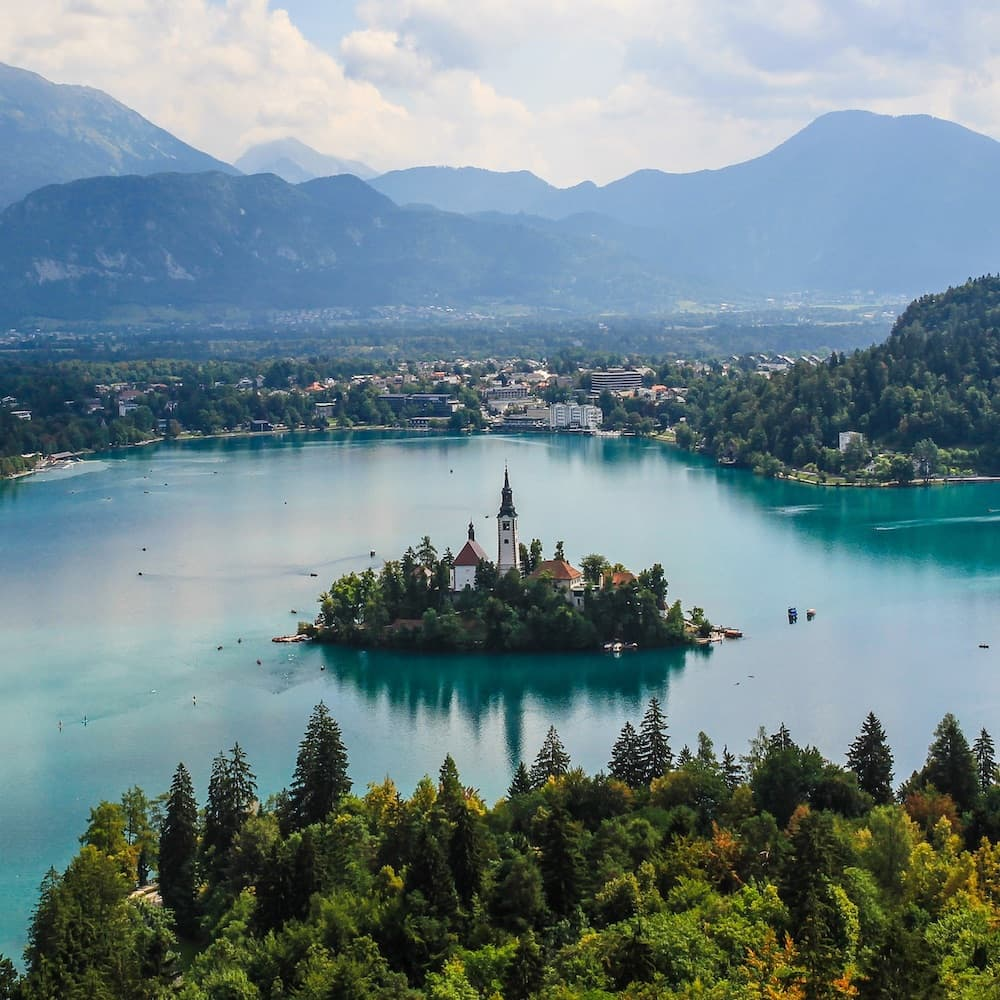
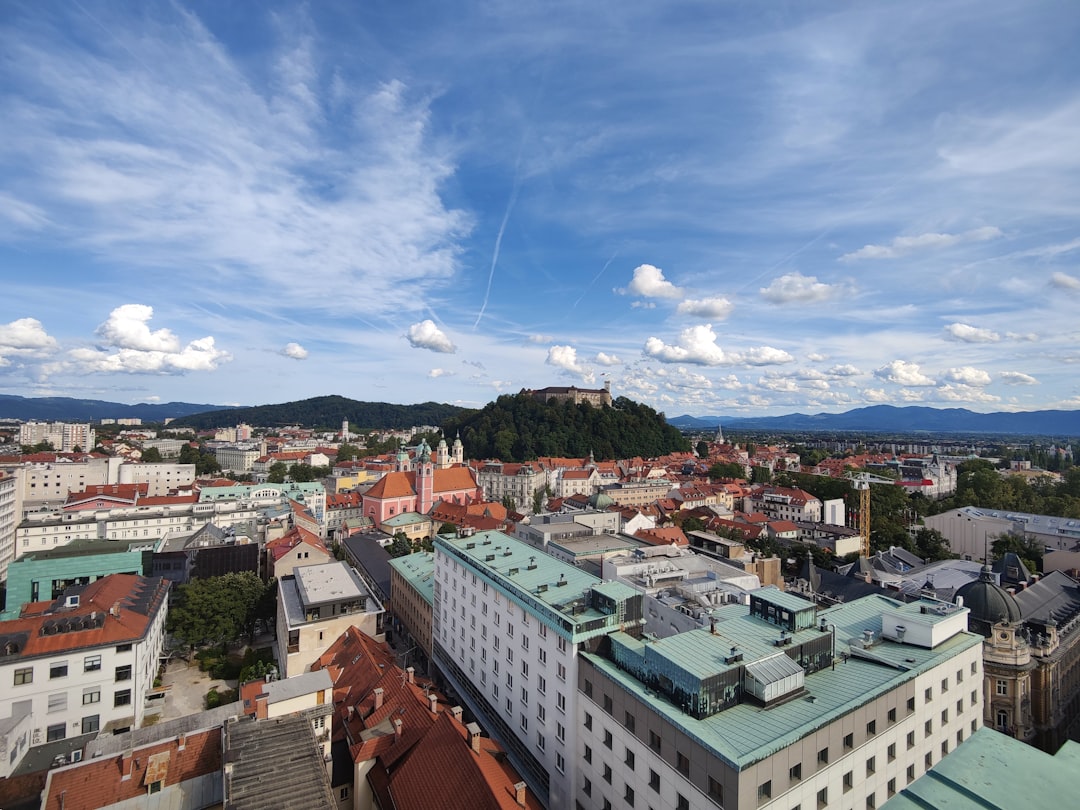
Ljubljana is one of Europe's most underrated capitals. It's small, walkable, and green. The Ljubljana Castle sits on a hill overlooking the city (you can walk up or take a funicular). The Prešeren Square and Triple Bridge are the heart of the old town. The Ljubljanica River runs through the city with cafés and restaurants lining the banks. The Central Market and Dragon Bridge (with dragon statues) are worth visiting.
Ljubljana is charming, relaxed, and easy to explore in a day or two. It's also more expensive than the Balkans but still reasonable.
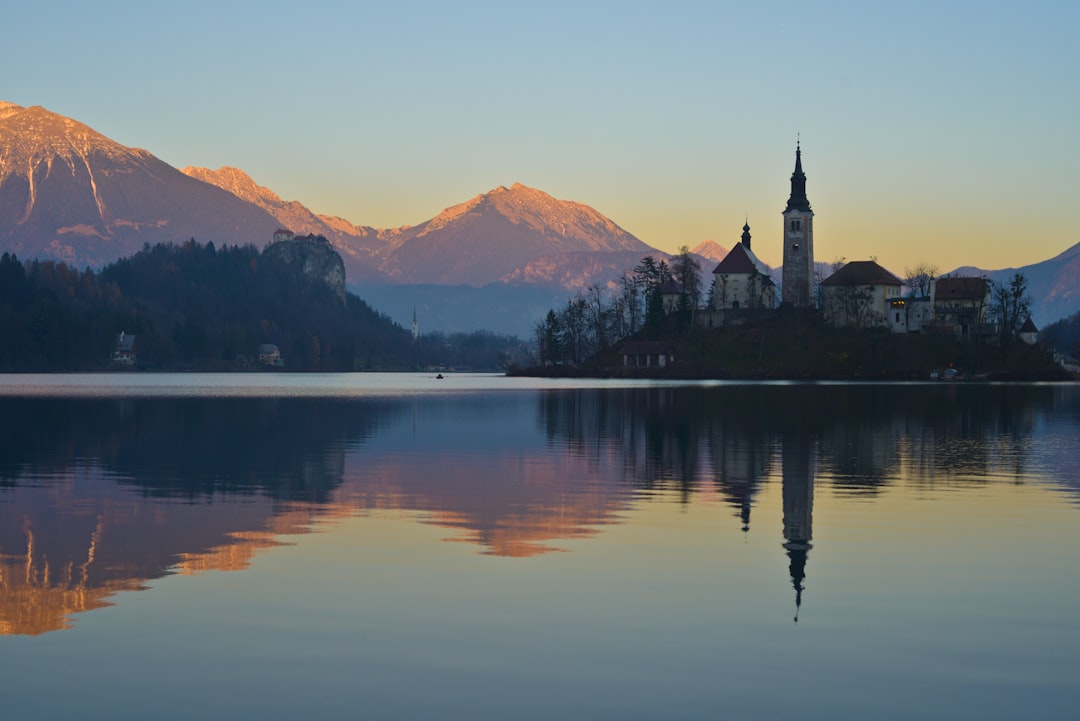
Lake Bled is Slovenia's postcard image. A turquoise lake with a church on a tiny island and a medieval castle perched on a cliff. You can rent a boat and row to the island, hike around the lake, or climb to the castle. It's touristy but stunning. Try the kremšnita (cream cake) at a lakeside café.
Lake Bohinj (about 30 minutes from Bled) is quieter, less touristy, and just as beautiful. It's a good alternative if you want to avoid crowds.
The Julian Alps have hiking trails, mountain huts, and dramatic peaks. Triglav National Park (named after Slovenia's highest peak) has trails for all levels. The Soča River (bright turquoise) is popular for rafting, kayaking, and swimming.
Postojna Cave is one of Europe's largest cave systems with stalactites, stalagmites, and an underground train that takes you through the caves. Predjama Castle nearby is a castle built into a cliff. Both are touristy but impressive.
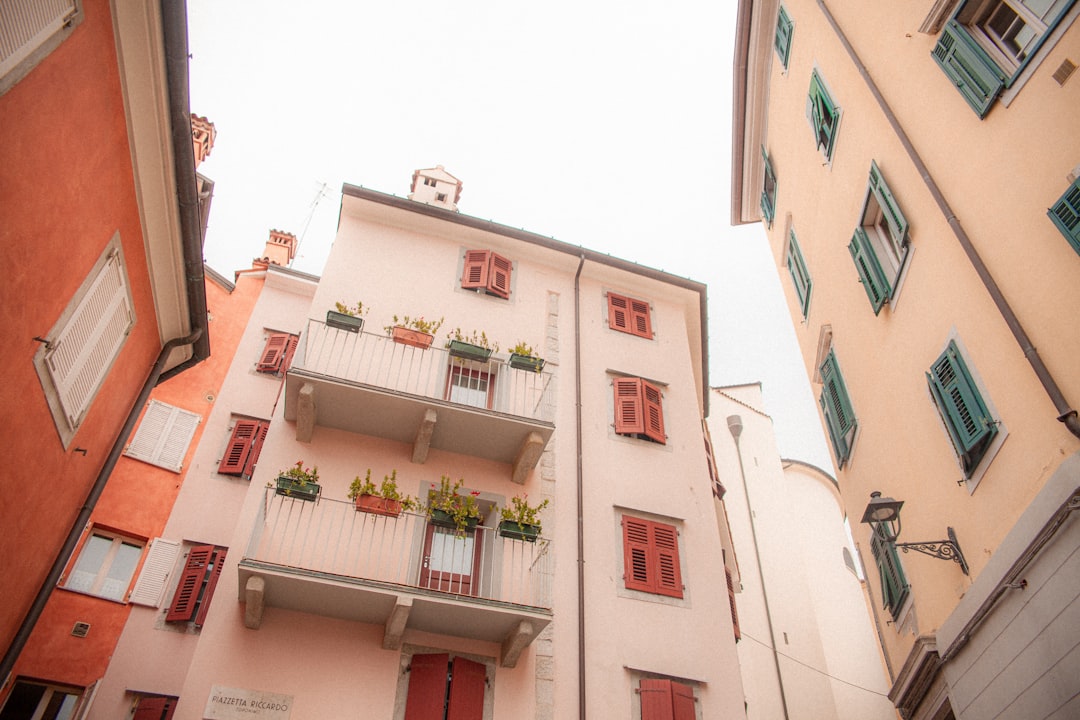
Piran on the Adriatic coast is a charming Venetian-style town with narrow streets and sea views. It's small, beautiful, and less touristy than Croatian coastal towns.
Slovenian food is a mix of Italian, Austrian, and Balkan influences. Potica (nut roll cake). Žlikrofi (dumplings). Kranjska klobasa (Carniolan sausage). Struklji (rolled dumplings). Slovenian food is hearty and flavorful.
Slovenian people are friendly, reserved, and speak good English. They're proud of their small country and happy to share it with visitors.
Getting around is easy. Buses connect Ljubljana to Bled, the coast, and other towns. If you want to explore the Julian Alps or smaller villages, rent a car.
Slovenia is more expensive than the Balkans but cheaper than Western Europe. Hostels run $15-25/night. A meal at a restaurant is $10-15. A beer is $2-4.
When to go: Summer (June-August) is perfect for hiking and lakes. Spring (April-May) and fall (September-October) are mild and less crowded. Winter (December-March) is cold, and skiing is possible in the Julian Alps.
Slovenia is small, beautiful, and has everything (mountains, lakes, caves, coast) packed into a tiny country. It's one of Europe's hidden gems.
Slovenia Travel Guide
Slovenia is small, beautiful, and has mountains, lakes, caves, and a charming capital. Ljubljana is one of Europe's most livable cities with a castle, riverside cafés, and green spaces. Lake Bled is postcard-perfect with a church on an island and a castle on a cliff. The Julian Alps are stunning for hiking. Postojna Cave is one of Europe's largest cave systems. Slovenian food is a mix of Italian, Austrian, and Balkan influences. The people are friendly and speak good English. It's more expensive than the Balkans but cheaper than Western Europe. If you want mountains and lakes in a small package, Slovenia delivers.
Overview
Slovenia Details
🗣 Primary Language
Yes
Slovenia Costs
See something wrong or missing? Help update ✏️ costs for Slovenia.
💰 Cost Per Day
No data yet — be the first! ✏️
🎒💵 Cost Per Day - Backpacker
No data yet — be the first! ✏️
👨👩👧👦💵 Cost Per Day - Family
No data yet — be the first! ✏️
💰🤑 Cost Per Day - Luxury
No data yet — be the first! ✏️
🛌 Sleeping
No data yet — be the first! ✏️
🏕️ Camping (per Day)
No data yet — be the first! ✏️
🏕️ Camping (per Week)
No data yet — be the first! ✏️
🏕️ Camping (per Month)
No data yet — be the first! ✏️
🍝 Food
No data yet — be the first! ✏️
🍳 Breakfast (for 1)
No data yet — be the first! ✏️
👨👩👧👦🍳 Breakfast (family)
No data yet — be the first! ✏️
🍔 Lunch (for 1)
No data yet — be the first! ✏️
👨👩👧👦🍔 Lunch (family)
No data yet — be the first! ✏️
🍽 Dinner (for 1)
No data yet — be the first! ✏️
👨👩👧👦🍽 Dinner (family)
No data yet — be the first! ✏️
☕️ Coffee
No data yet — be the first! ✏️
🥤 Coca Cola (0.3L)
No data yet — be the first! ✏️
🥪 Sandwich
No data yet — be the first! ✏️
🥖 Bread
No data yet — be the first! ✏️
🍿 Snacks
No data yet — be the first! ✏️
🍺 Beer (0.5L)
No data yet — be the first! ✏️
🍷 Wine (glass)
No data yet — be the first! ✏️
🍾 Wine (bottle)
No data yet — be the first! ✏️
💧 Water (bottle)
No data yet — be the first! ✏️
🍕 Street Food (for 1)
No data yet — be the first! ✏️
🚙 Transportation
No data yet — be the first! ✏️
🚙 Car Rental (per Day)
No data yet — be the first! ✏️
🚙 Car Rental (per Week)
No data yet — be the first! ✏️
🚙 Car Rental (per Month)
No data yet — be the first! ✏️
🚂🎟️ Train Ticket (single)
No data yet — be the first! ✏️
🚌🎟️ City-to-City Bus Ticket (single)
No data yet — be the first! ✏️
⛽️ Gas/Fuel
No data yet — be the first! ✏️
🚧 Tolls
No data yet — be the first! ✏️
🚊🎟️ City Transit Pass
No data yet — be the first! ✏️
🛬🚌 Airport Transfer
No data yet — be the first! ✏️
📸 Sightseeing
No data yet — be the first! ✏️
🎟 Museum Entry
No data yet — be the first! ✏️
🏰 Attraction Entry
No data yet — be the first! ✏️
🚶♂️ Guided Tours
No data yet — be the first! ✏️
💶 Other
No data yet — be the first! ✏️
👨💻 Co-working
No data yet — be the first! ✏️
🧼 Laundry
No data yet — be the first! ✏️
💁♂️💶 Tipping
No data yet — be the first! ✏️
📲 Mobile Data (~10GB)
No data yet — be the first! ✏️
🛰️ Luggage Storage / Locker (daily)
No data yet — be the first! ✏️
Slovenia Scores
See something wrong or missing? Help update ✏️ scores for Slovenia.
🤩 Overall Score
No data yet — be the first! 🗳️
💵 Cost
No data yet — be the first! 🗳️
💵 Income Level
No data yet — be the first! 🗳️
🌡 Temperature (Now)
No data yet — be the first! 🗳️
🌡 Temperature (Average)
No data yet — be the first! 🗳️
🌦 Weather
No data yet — be the first! 🗳️
💧 Humidity (Now)
No data yet — be the first! 🗳️
💧 Humidity (Average)
No data yet — be the first! 🗳️
☔️ Rain (Annual)
No data yet — be the first! 🗳️
☀️ Sunshine (Hours Per Day)
No data yet — be the first! 🗳️
💨 Wind
No data yet — be the first! 🗳️
🦹♂️ Safety
No data yet — be the first! 🗳️
🚙 Traffic Safety
No data yet — be the first! 🗳️
👩🏻 Female Friendly
No data yet — be the first! 🗳️
✌️ Peace (No Wars / Political Conflict)
No data yet — be the first! 🗳️
🎉 Fun
No data yet — be the first! 🗳️
💃 Nightlife
No data yet — be the first! 🗳️
😘 For Singles
No data yet — be the first! 🗳️
👩❤️👨 For Couples
No data yet — be the first! 🗳️
👨👩👧👦 Family Score
No data yet — be the first! 🗳️
🚶♂️ Walkability
No data yet — be the first! 🗳️
🚶♂️ Easy To Get Around
No data yet — be the first! 🗳️
👨🦽 Accessibility
No data yet — be the first! 🗳️
📡 Internet
No data yet — be the first! 🗳️
📡 Free Wifi
No data yet — be the first! 🗳️
👨💻 Co-working Places
No data yet — be the first! 🗳️
❄️ A/C
No data yet — be the first! 🗳️
🏥 Hospitals
No data yet — be the first! 🗳️
😃 Happiness
No data yet — be the first! 🗳️
🤝 Friendliness
No data yet — be the first! 🗳️
🤗 Hospitality
No data yet — be the first! 🗳️
🇬🇧 English Speaking
No data yet — be the first! 🗳️
👱♂️👨🏾 Racial Tolerance
No data yet — be the first! 🗳️
🏳️🌈 LGBTQ+ Friendly
No data yet — be the first! 🗳️
🎓 Education Level
No data yet — be the first! 🗳️
🧹 Clean
No data yet — be the first! 🗳️
👍 Rated By Members
No data yet — be the first! 🗳️
👍 Liked By Eurotriprs
No data yet — be the first! 🗳️
Average monthly weather for Slovenia
| Monthly Averages | Jan | Feb | Mar | Apr | May | Jun | Jul | Aug | Sep | Oct | Nov | Dec |
|---|---|---|---|---|---|---|---|---|---|---|---|---|
| Weather | ☀️ Sunny | ⛅ Partly cloudy | 🌦️ Sun & Rain | 🌦️ Sun & Rain | 🌦️ Sun & Rain | 🌦️ Sun & Rain | 🌦️ Sun & Rain | 🌦️ Sun & Rain | 🌦️ Sun & Rain | ⛅ Partly cloudy | 🌦️ Sun & Rain | ☀️ Sunny |
| Avg. Temp. | 35° F ⛄️ Cold | 39° F ⛄️ Cold | 45° F ⛄️ Cold | 52° F 😰 Cool | 58° F 😰 Cool | 69° F 👌 Nice | 71° F 😍 Perfect | 71° F 😍 Perfect | 63° F 👌 Nice | 55° F 😰 Cool | 44° F ⛄️ Cold | 37° F ⛄️ Cold |
| Feels Like | 29° F 🥶 Freezing | 34° F ⛄️ Cold | 39° F ⛄️ Cold | 48° F 😰 Cool | 57° F 😰 Cool | 70° F 😍 Perfect | 74° F 😍 Perfect | 74° F 😍 Perfect | 63° F 👌 Nice | 52° F 😰 Cool | 40° F ⛄️ Cold | 32° F 🥶 Freezing |
| High Temp. | 41° F | 47° F | 53° F | 60° F | 66° F | 77° F | 79° F | 79° F | 70° F | 62° F | 50° F | 43° F |
| Low Temp. | 30° F | 34° F | 38° F | 44° F | 51° F | 61° F | 63° F | 63° F | 56° F | 49° F | 39° F | 33° F |
| Sunrise | 06:35 am | 06:02 am | 05:09 am | 04:12 am | 03:26 am | 03:08 am | 03:24 am | 04:00 am | 04:38 am | 05:18 am | 06:00 am | 06:34 am |
| Sunset | 03:41 pm (15:41) | 04:23 pm (16:23) | 05:05 pm (17:05) | 05:46 pm (17:46) | 06:25 pm (18:25) | 06:51 pm (18:51) | 06:45 pm (18:45) | 06:06 pm (18:06) | 05:10 pm (17:10) | 04:12 pm (16:12) | 03:28 pm (15:28) | 03:15 pm (15:15) |
| Sunlight | ☀️ 5h | ☀️ 6h | ☀️ 8h | ☀️ 10h | ☀️ 10h | ☀️ 12h | ☀️ 12h | ☀️ 12h | ☀️ 9h | ☀️ 8h | ☀️ 5h | ☀️ 5h |
| Sunny Days | 15 | 16 | 23 | 24 | 25 | 28 | 29 | 28 | 25 | 23 | 15 | 16 |
| Clouds | 68% | 67% | 59% | 59% | 65% | 51% | 47% | 46% | 52% | 61% | 72% | 68% |
| Humidity | 💦 82% | 💦 79% | 😥 70% | 😥 69% | 💦 76% | 😥 72% | 😥 71% | 😥 73% | 💦 78% | 💦 81% | 💦 86% | 💦 84% |
| Rain | 1 in. (6 Days) | 2 in. (6 Days) | 2 in. (9 Days) | 3 in. (9 Days) | 6 in. (18 Days) | 4 in. (13 Days) | 5 in. (14 Days) | 4 in. (12 Days) | 5 in. (12 Days) | 4 in. (9 Days) | 4 in. (10 Days) | 2 in. (6 Days) |
| Snow | 9 in. (4 Days) | 7 in. (3 Days) | 4 in. (3 Days) | 2 in. (1 Days) | 0 in. (0 Days) | 0 in. (0 Days) | 0 in. (0 Days) | 0 in. (0 Days) | 0 in. (0 Days) | 0 in. (0 Days) | 5 in. (2 Days) | 9 in. (4 Days) |
| Wind | 5.28 mph | 5.53 mph | 5.54 mph | 5.53 mph | 4.88 mph | 4.52 mph | 3.81 mph | 3.58 mph | 4.15 mph | 4.93 mph | 4.67 mph | 4.67 mph |
| Last updated on: Apr 2026 | Source: Open Meteo | |||||||||||
⚠️ Weather and climate is for monthly averages for Slovenia. Current weather and temperatures might be different on any given day. This table is for planning purposes. Please check current weather forecasts before your trip.


Slovenia
White and brown concrete building near body of water during daytime
Photo by Žan Janžekovič on Unsplash

Slovenia
Brown and white concrete building near body of water and mountain during daytime
Photo by Thiago Rocha on Unsplash

Slovenia
Brown and white concrete building on top of green and brown mountain under blue sky during
Photo by Renan Greca on Unsplash

Slovenia
White and green concrete building near body of water during daytime
Photo by Žan Janžekovič on Unsplash

Slovenia
Brown and white concrete building near body of water during daytime
Photo by Niels Van Dijk on Unsplash


Slovenia
White and brown concrete building near green trees and mountain during daytime
Photo by Norbert Buduczki on Unsplash


Slovenia
Brown and white concrete building near lake during daytime
Photo by Ursa Bavcar on Unsplash


Cities in Slovenia
Rank
1
Daily Cost
$70
Weather Now
☀️ 48°
Liked?
😀
Bled
Slovenia
0%
0%
🌟 Overall
💸 Cost
📡 Internet
🎉 Fun
👮♀️ Safety
Rank
2
Daily Cost
$60
Weather Now
☀️ 52°
Liked?
😀
Ljubljana
Slovenia
0%
0%
🌟 Overall
💸 Cost
📡 Internet
🎉 Fun
👮♀️ Safety
Rank
3
Daily Cost
$65
Weather Now
☀️ 59°
Liked?
😍
Piran
Slovenia
0%
0%