 EuroTripr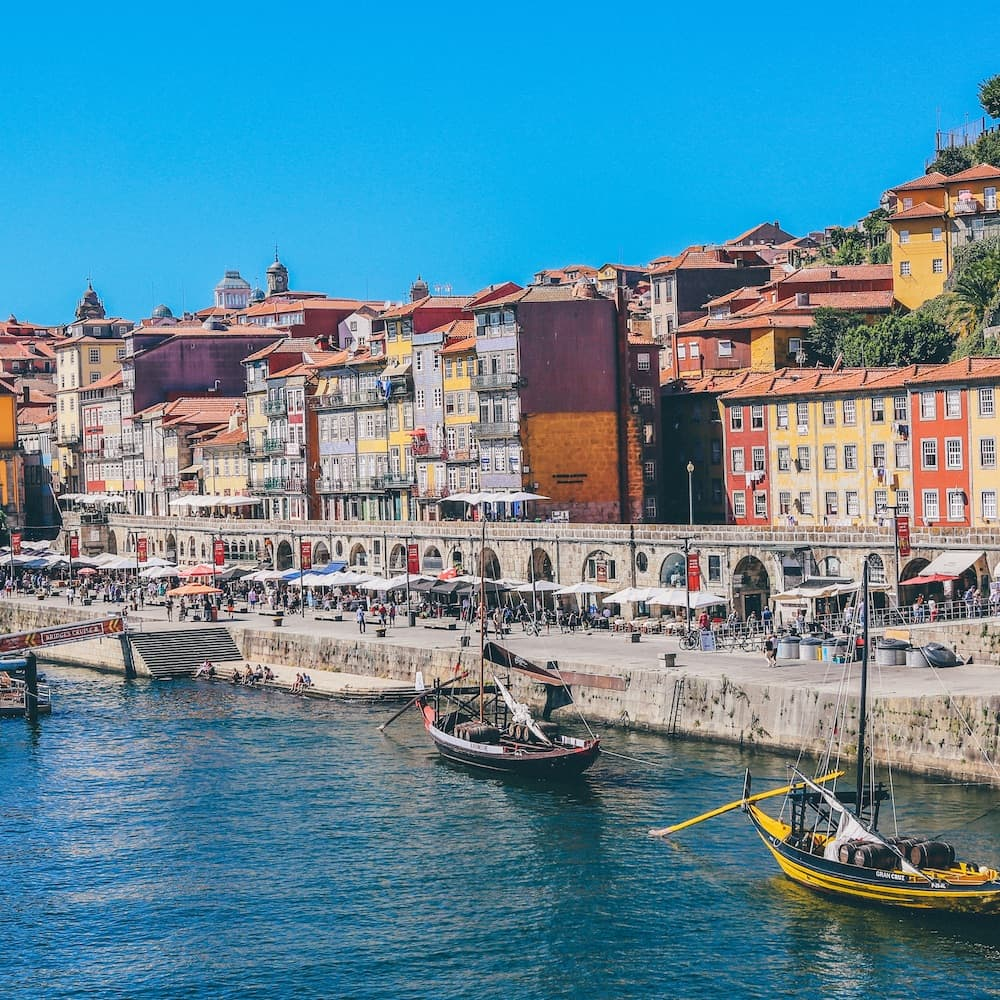
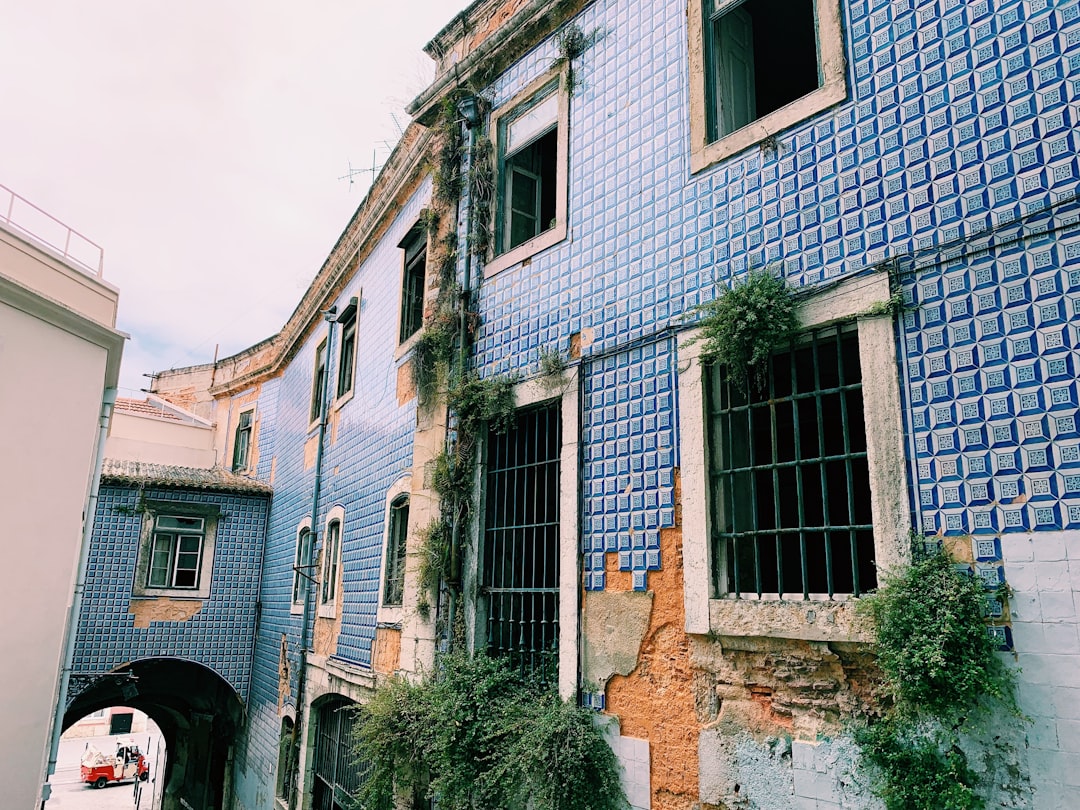
Lisbon is built on seven hills, so be prepared to walk uphill. A lot. The Alfama district is the old Moorish quarter with narrow streets, fado music (traditional Portuguese music), and the São Jorge Castle on top of the hill with views over the city. Tram 28 is the iconic yellow tram that climbs through the hills and neighborhoods. It's packed with tourists but still charming. Belém (just outside the city center) has the Jerónimos Monastery and the Belém Tower (both UNESCO sites) and the famous pastel de nata (custard tart) bakery. The LX Factory is a hip area with street art, cafés, and shops in old industrial buildings.
Lisbon is affordable. Hostels run $15-25/night. A meal at a restaurant is $8-12. A pastel de nata is $1-2.
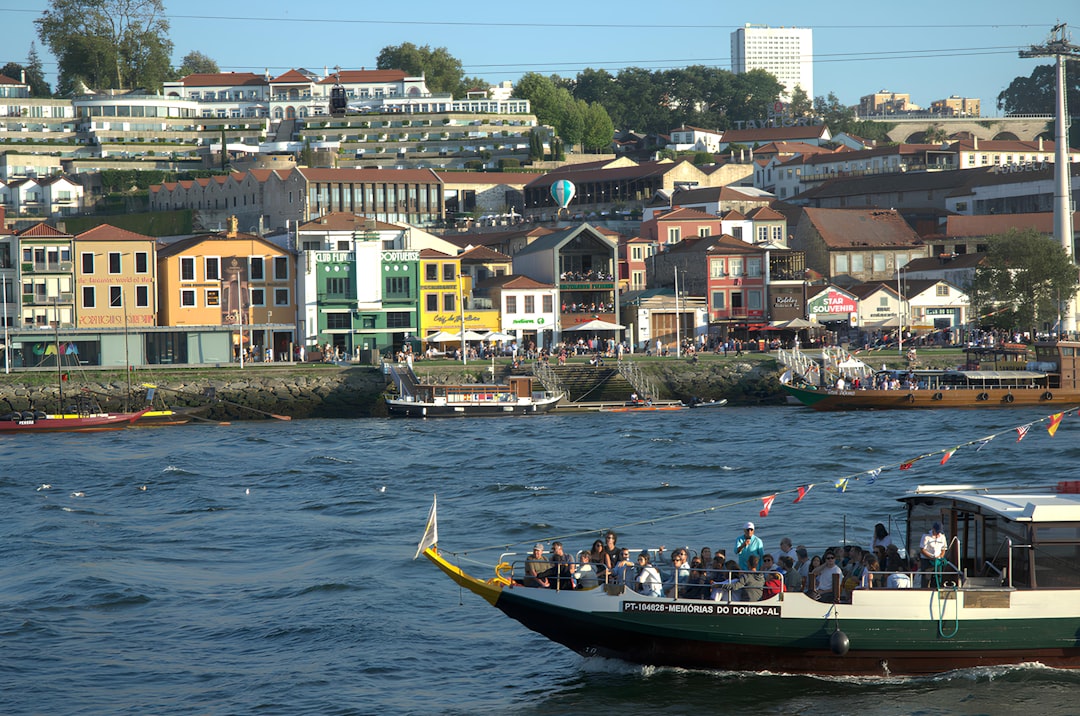
Porto in the north is smaller, more charming, and less touristy than Lisbon. The Ribeira district along the Douro River is colorful and lively. Cross the Dom Luís I Bridge (a double-decker iron bridge) for views over the city. Porto is the birthplace of port wine. Port wine cellars line the river in Vila Nova de Gaia (across the river from Porto). Take a tour, taste the wine, and learn how it's made. The Livraria Lello is one of the most beautiful bookstores in the world (JK Rowling lived in Porto and supposedly used it as inspiration for Harry Potter). It's crowded and charges an entrance fee, but it's stunning.
The Algarve in southern Portugal is beaches, cliffs, and sunshine. It's the warmest part of Portugal and popular with European tourists. Lagos is the main town with beaches, caves you can explore by boat, and a lively nightlife scene. The coastline has dramatic rock formations and hidden beaches. The Algarve is more touristy and expensive than the rest of Portugal, but it's still affordable compared to the rest of Europe.
The Douro Valley between Porto and the Spanish border is wine country. Vineyards cover the hillsides. You can take a river cruise or drive through the valley. It's beautiful, peaceful, and less touristy.
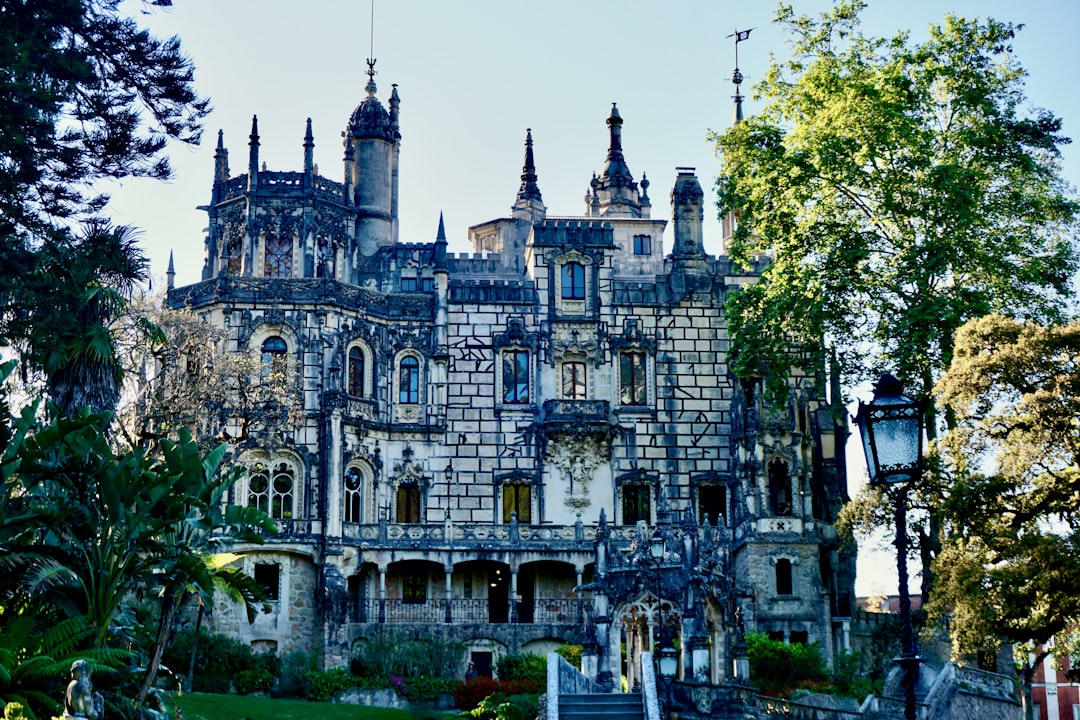
Sintra (just outside Lisbon) is a UNESCO town with palaces, castles, and gardens. The Pena Palace is colorful and sits on top of a hill. It looks like a fairy tale castle. Sintra gets packed with day-trippers from Lisbon, so go early.
Portuguese food is fresh, simple, and seafood-focused. Bacalhau (salted cod) is the national dish. There are supposedly 365 ways to prepare it (one for each day of the year). Grilled sardines are everywhere, especially in summer. Pastel de nata (custard tart) is a must. Francesinha (a Porto specialty) is a sandwich with meat, cheese, and a beer-based sauce. It's heavy and delicious. Portuguese wine is cheap and good. A bottle of wine costs $3-5 at a supermarket.
Portuguese people are warm, laid-back, and welcoming. They're less loud and expressive than Italians or Spanish, but they're friendly and helpful. English is widely spoken in cities and tourist areas, less so in the countryside.
Getting around is easy. Trains connect Lisbon, Porto, and other major cities. Buses go everywhere trains don't. If you want to explore the Algarve or Douro Valley, rent a car.
Portugal is one of the most affordable countries in Western Europe. Hostels run $15-25/night. A meal at a restaurant is $8-12. A beer is $1-2. Even Lisbon (the most expensive city) is cheaper than most Western European capitals.
When to go: Spring (April-May) and fall (September-October) are perfect. The weather is warm, crowds are manageable, and prices are low. Summer (June-August) is hot (especially in the Algarve) and crowded. Winter (November-March) is mild but rainy. Lisbon and Porto are still pleasant in winter.
Portugal is sunshine, beaches, and culture at prices that won't wreck your budget. If you want Western Europe without the crowds or costs, go here.
Portugal Travel Guide
Portugal has beaches, historic cities, great food, and sunshine at prices that won't wreck your budget. Lisbon is hilly, colorful, and full of character. Porto is charming with port wine and riverside views. The Algarve has beaches and cliffs. Portuguese food is fresh and seafood-focused (bacalhau, grilled sardines, pastel de nata). The people are warm and laid-back. It's one of the most affordable countries in Western Europe. The weather is mild year-round. If you want sun, beaches, and culture without the crowds or costs of Spain, Portugal is perfect.
Overview
Portugal Details
🛂 Schengen Country
Yes
Portugal Costs
See something wrong or missing? Help update ✏️ costs for Portugal.
💰 Cost Per Day
$194
🎒💵 Cost Per Day - Backpacker
$79
👨👩👧👦💵 Cost Per Day - Family
No data yet — be the first! ✏️
💰🤑 Cost Per Day - Luxury
$455
🛌 Sleeping
$63.54
🏕️ Camping (per Day)
No data yet — be the first! ✏️
🏕️ Camping (per Week)
No data yet — be the first! ✏️
🏕️ Camping (per Month)
No data yet — be the first! ✏️
🍝 Food
$78
🍳 Breakfast (for 1)
$18.5
👨👩👧👦🍳 Breakfast (family)
$59.2
🍔 Lunch (for 1)
$14.15
👨👩👧👦🍔 Lunch (family)
$58.15
🍽 Dinner (for 1)
$26.87
👨👩👧👦🍽 Dinner (family)
$85.98
☕️ Coffee
$3.35
🥤 Coca Cola (0.3L)
$1.05
🥪 Sandwich
No data yet — be the first! ✏️
🥖 Bread
$1.04
🍿 Snacks
No data yet — be the first! ✏️
🍺 Beer (0.5L)
$2.28
🍷 Wine (glass)
No data yet — be the first! ✏️
🍾 Wine (bottle)
$6.17
💧 Water (bottle)
$1.38
🍕 Street Food (for 1)
$11.1
🚙 Transportation
$31
🚙 Car Rental (per Day)
No data yet — be the first! ✏️
🚙 Car Rental (per Week)
No data yet — be the first! ✏️
🚙 Car Rental (per Month)
No data yet — be the first! ✏️
🚂🎟️ Train Ticket (single)
No data yet — be the first! ✏️
🚌🎟️ City-to-City Bus Ticket (single)
No data yet — be the first! ✏️
⛽️ Gas/Fuel
No data yet — be the first! ✏️
🚧 Tolls
No data yet — be the first! ✏️
🚊🎟️ City Transit Pass
$1.47
🛬🚌 Airport Transfer
No data yet — be the first! ✏️
📸 Sightseeing
$26
🎟 Museum Entry
No data yet — be the first! ✏️
🏰 Attraction Entry
$20.88
🚶♂️ Guided Tours
No data yet — be the first! ✏️
💶 Other
No data yet — be the first! ✏️
👨💻 Co-working
No data yet — be the first! ✏️
🧼 Laundry
No data yet — be the first! ✏️
💁♂️💶 Tipping
No data yet — be the first! ✏️
📲 Mobile Data (~10GB)
$21.16
🛰️ Luggage Storage / Locker (daily)
No data yet — be the first! ✏️
Portugal Scores
See something wrong or missing? Help update ✏️ scores for Portugal.
🤩 Overall Score
No data yet — be the first! 🗳️
💵 Cost
No data yet — be the first! 🗳️
💵 Income Level
No data yet — be the first! 🗳️
🌡 Temperature (Now)
No data yet — be the first! 🗳️
🌡 Temperature (Average)
No data yet — be the first! 🗳️
🌦 Weather
No data yet — be the first! 🗳️
💧 Humidity (Now)
No data yet — be the first! 🗳️
💧 Humidity (Average)
No data yet — be the first! 🗳️
☔️ Rain (Annual)
No data yet — be the first! 🗳️
☀️ Sunshine (Hours Per Day)
No data yet — be the first! 🗳️
💨 Wind
No data yet — be the first! 🗳️
🦹♂️ Safety
No data yet — be the first! 🗳️
🚙 Traffic Safety
No data yet — be the first! 🗳️
👩🏻 Female Friendly
No data yet — be the first! 🗳️
✌️ Peace (No Wars / Political Conflict)
No data yet — be the first! 🗳️
🎉 Fun
No data yet — be the first! 🗳️
💃 Nightlife
No data yet — be the first! 🗳️
😘 For Singles
No data yet — be the first! 🗳️
👩❤️👨 For Couples
No data yet — be the first! 🗳️
👨👩👧👦 Family Score
No data yet — be the first! 🗳️
🚶♂️ Walkability
No data yet — be the first! 🗳️
🚶♂️ Easy To Get Around
No data yet — be the first! 🗳️
👨🦽 Accessibility
No data yet — be the first! 🗳️
📡 Internet
No data yet — be the first! 🗳️
📡 Free Wifi
No data yet — be the first! 🗳️
👨💻 Co-working Places
No data yet — be the first! 🗳️
❄️ A/C
No data yet — be the first! 🗳️
🏥 Hospitals
No data yet — be the first! 🗳️
😃 Happiness
No data yet — be the first! 🗳️
🤝 Friendliness
No data yet — be the first! 🗳️
🤗 Hospitality
No data yet — be the first! 🗳️
🇬🇧 English Speaking
No data yet — be the first! 🗳️
👱♂️👨🏾 Racial Tolerance
No data yet — be the first! 🗳️
🏳️🌈 LGBTQ+ Friendly
No data yet — be the first! 🗳️
🎓 Education Level
No data yet — be the first! 🗳️
🧹 Clean
No data yet — be the first! 🗳️
👍 Rated By Members
No data yet — be the first! 🗳️
👍 Liked By Eurotriprs
No data yet — be the first! 🗳️
Average monthly weather for Portugal
| Monthly Averages | Jan | Feb | Mar | Apr | May | Jun | Jul | Aug | Sep | Oct | Nov | Dec |
|---|---|---|---|---|---|---|---|---|---|---|---|---|
| Weather | ⛅ Partly cloudy | ⛅ Partly cloudy | 🌦️ Sun & Rain | 🌦️ Sun & Rain | ⛅ Partly cloudy | ☀️ Sunny | ☀️ Sunny | ☀️ Sunny | ☀️ Sunny | ⛅ Partly cloudy | 🌦️ Sun & Rain | ⛅ Partly cloudy |
| Avg. Temp. | 49° F 😰 Cool | 52° F 😰 Cool | 55° F 😰 Cool | 59° F 😰 Cool | 65° F 👌 Nice | 70° F 😍 Perfect | 75° F 😍 Perfect | 76° F 😍 Perfect | 71° F 😍 Perfect | 66° F 👌 Nice | 56° F 😰 Cool | 51° F 😰 Cool |
| Feels Like | 45° F ⛄️ Cold | 48° F 😰 Cool | 50° F 😰 Cool | 56° F 😰 Cool | 63° F 👌 Nice | 69° F 👌 Nice | 74° F 😍 Perfect | 75° F 😍 Perfect | 70° F 👌 Nice | 64° F 👌 Nice | 52° F 😰 Cool | 47° F 😰 Cool |
| High Temp. | 58° F | 62° F | 64° F | 69° F | 77° F | 83° F | 90° F | 91° F | 84° F | 76° F | 64° F | 59° F |
| Low Temp. | 43° F | 45° F | 46° F | 50° F | 55° F | 59° F | 63° F | 63° F | 60° F | 57° F | 49° F | 45° F |
| Sunrise | 07:48 am | 07:24 am | 06:41 am | 05:54 am | 05:18 am | 05:06 am | 05:19 am | 05:46 am | 06:14 am | 06:43 am | 07:16 am | 07:44 am |
| Sunset | 05:34 pm (17:34) | 06:07 pm (18:07) | 06:39 pm (18:39) | 07:10 pm (19:10) | 07:39 pm (19:39) | 07:59 pm (19:59) | 07:56 pm (19:56) | 07:26 pm (19:26) | 06:40 pm (18:40) | 05:52 pm (17:52) | 05:18 pm (17:18) | 05:11 pm (17:11) |
| Sunlight | ☀️ 7h | ☀️ 8h | ☀️ 9h | ☀️ 10h | ☀️ 12h | ☀️ 13h | ☀️ 13h | ☀️ 13h | ☀️ 11h | ☀️ 9h | ☀️ 7h | ☀️ 7h |
| Sunny Days | 20 | 21 | 25 | 26 | 29 | 29 | 31 | 31 | 28 | 25 | 21 | 22 |
| Clouds | 54% | 56% | 55% | 56% | 48% | 41% | 21% | 20% | 36% | 52% | 57% | 55% |
| Humidity | 💦 81% | 💦 76% | 😥 73% | 😥 71% | 😥 65% | 😥 64% | 😥 58% | 😥 58% | 😥 63% | 😥 70% | 💦 81% | 💦 84% |
| Rain | 4 in. (10 Days) | 3 in. (8 Days) | 4 in. (11 Days) | 3 in. (12 Days) | 2 in. (7 Days) | 1 in. (6 Days) | 0 in. (2 Days) | 0 in. (1 Days) | 2 in. (4 Days) | 3 in. (9 Days) | 4 in. (11 Days) | 4 in. (10 Days) |
| Snow | 0 in. (0 Days) | 0 in. (0 Days) | 0 in. (0 Days) | 0 in. (0 Days) | 0 in. (0 Days) | 0 in. (0 Days) | 0 in. (0 Days) | 0 in. (0 Days) | 0 in. (0 Days) | 0 in. (0 Days) | 0 in. (0 Days) | 0 in. (0 Days) |
| Wind | 7.78 mph | 7.91 mph | 8.66 mph | 8.11 mph | 8.44 mph | 8.91 mph | 9.52 mph | 9.23 mph | 7.77 mph | 7.47 mph | 7.53 mph | 7.61 mph |
| Last updated on: Apr 2026 | Source: Open Meteo | |||||||||||
⚠️ Weather and climate is for monthly averages for Portugal. Current weather and temperatures might be different on any given day. This table is for planning purposes. Please check current weather forecasts before your trip.


Portugal
An old building with many windows and balconies
Photo by Transly Translation Agency on Unsplash


Portugal
Sunny lisbon square with historic buildings and river.
Photo by Farnaz Kohankhaki on Unsplash


Portugal
A large white and blue building with lots of windows
Photo by Transly Translation Agency on Unsplash


Portugal
Concrete building near sea under blue sky during daytime
Photo by Tânia Mousinho on Unsplash


Cities in Portugal
Rank
1
Daily Cost
$65
Weather Now
☀️ 63°
Liked?
😀
Lisbon
Portugal
0%
0%
🌟 Overall
💸 Cost
📡 Internet
🎉 Fun
👮♀️ Safety
Rank
2
Daily Cost
$60
Weather Now
🌤️ 59°
Liked?
😀
Porto
Portugal
0%
0%
🌟 Overall
💸 Cost
📡 Internet
🎉 Fun
👮♀️ Safety
Rank
3
Daily Cost
$55
Weather Now
🌤️ 60°
Liked?
😍
Sintra
Portugal
0%
0%