 EuroTripr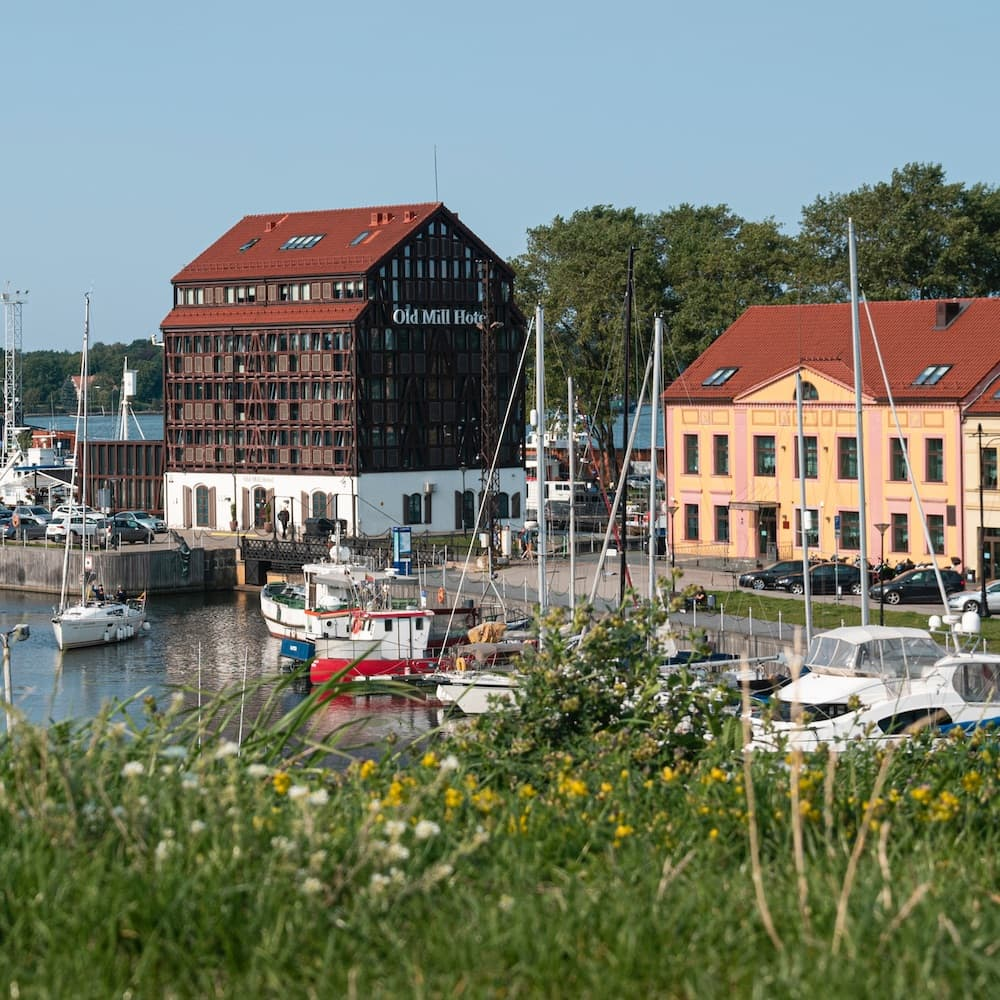
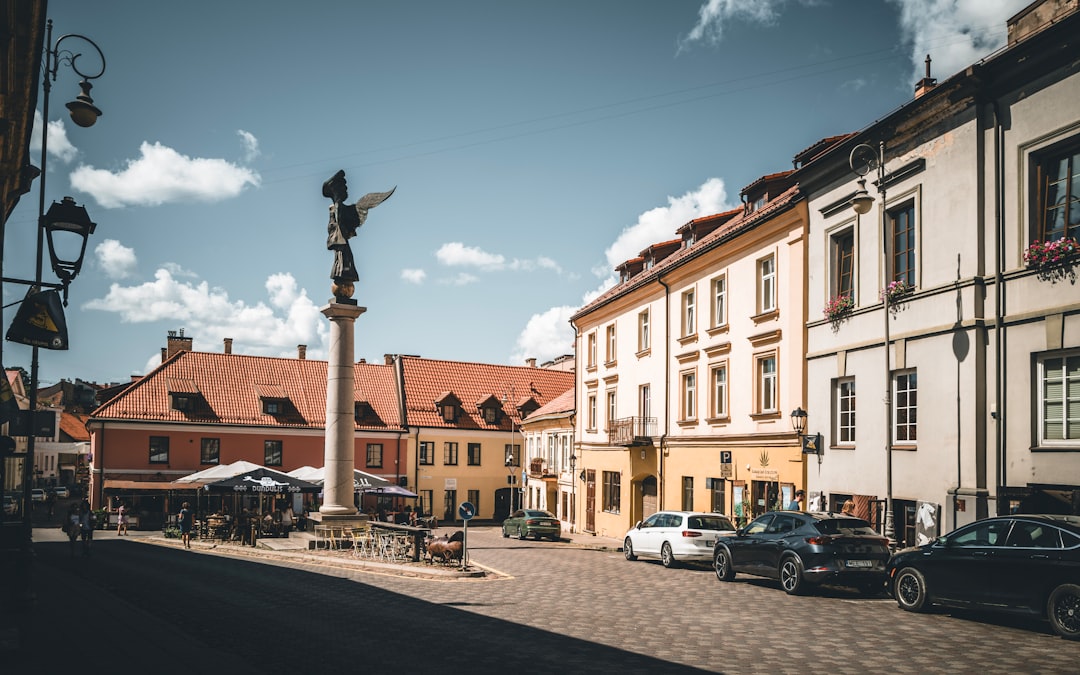
Vilnius is one of the most underrated capitals in Europe. The old town is a UNESCO site with baroque churches, narrow cobblestone streets, and colorful buildings. Vilnius Cathedral and Gediminas Tower (climb it for views over the city) are the main landmarks. The Gate of Dawn is a chapel with a sacred painting that's been a pilgrimage site for centuries. Uzupis is a bohemian neighborhood that declared itself an independent republic (tongue-in-cheek). It has street art, galleries, cafés, and its own constitution posted on a wall in multiple languages.
Vilnius has a tragic history. The Museum of Occupations and Freedom Fights (housed in the former KGB headquarters) tells the story of Soviet occupation. The basement was used as a prison and execution chamber. It's powerful and sobering.
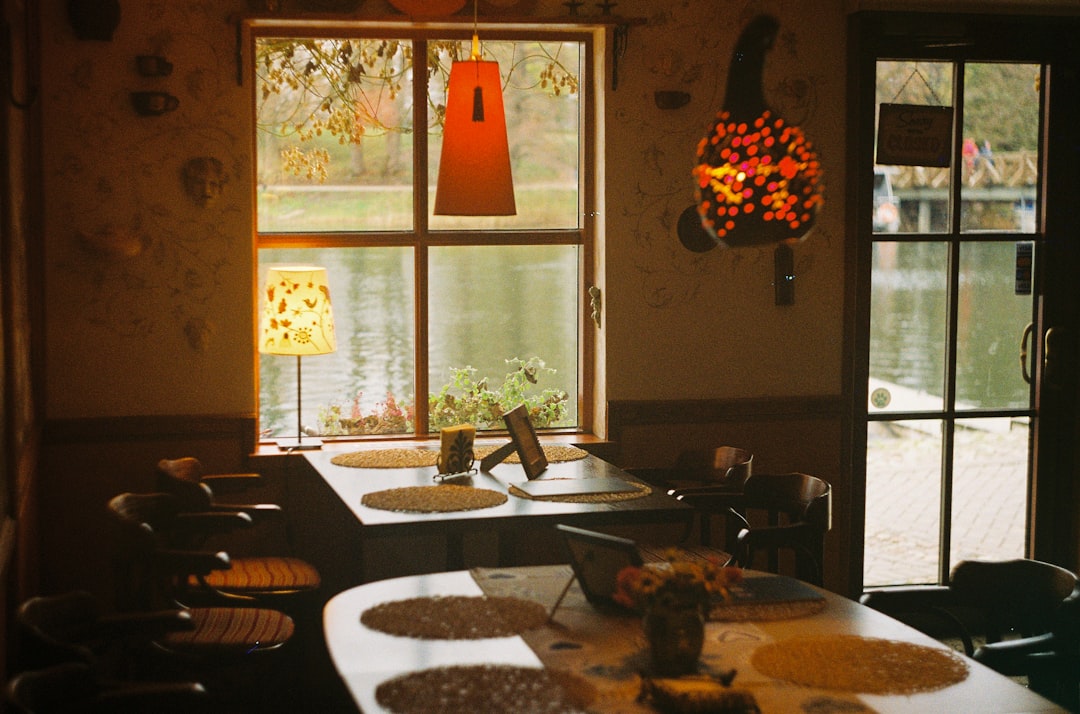
Trakai Castle (about 30 minutes from Vilnius) is a fairytale castle on an island in a lake. It's one of the most photographed sites in Lithuania. You can tour the inside and walk around the island. It's touristy but beautiful.
The Hill of Crosses near Šiauliai (in northern Lithuania) is a pilgrimage site covered in thousands of crosses. People have been placing crosses here for centuries as acts of faith and resistance (especially during Soviet times when the crosses were repeatedly removed). It's eerie, moving, and unique.
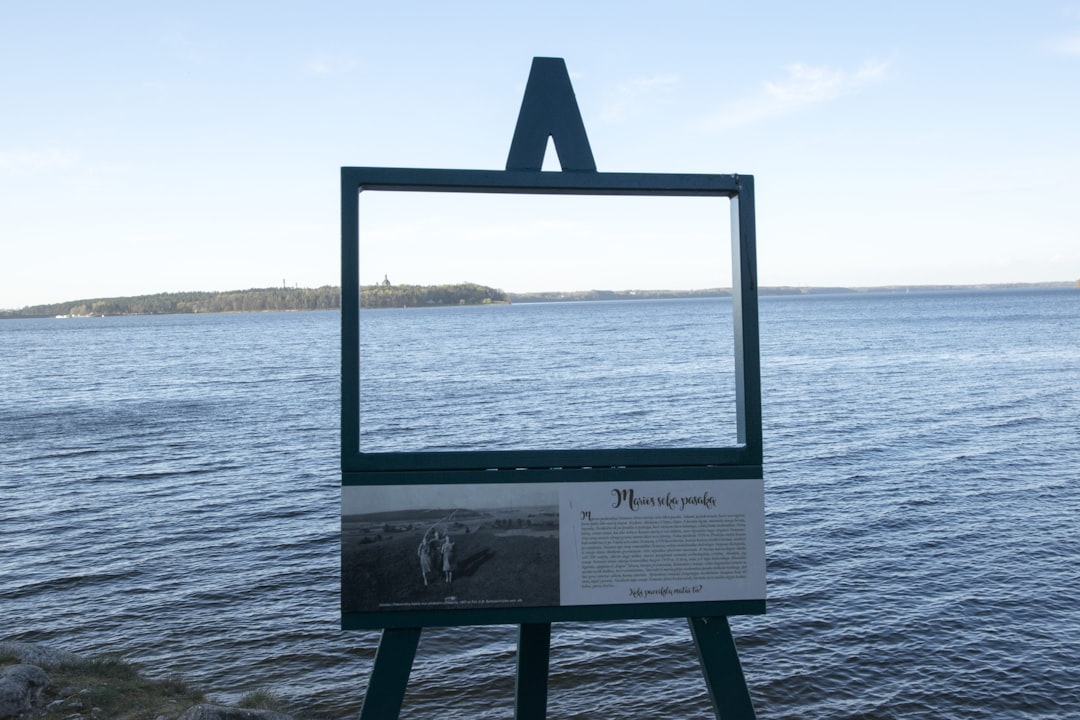
Kaunas is Lithuania's second-largest city with a charming old town, museums, and a more local vibe than Vilnius. The Ninth Fort outside Kaunas is a former Soviet prison and execution site. It's now a museum about the Holocaust and Soviet occupation.
The Curonian Spit is a narrow sand dune peninsula on the Baltic Sea (shared with Russia). It has beaches, forests, and small fishing villages. It's remote, beautiful, and a UNESCO site.
Lithuanian food is hearty and potato-heavy. Cepelinai (potato dumplings stuffed with meat). Šaltibarščiai (cold beet soup). Kibinai (pastries filled with meat, popular in Trakai). Lithuanian food is filling, cheap, and not particularly exciting.
Lithuanian people are reserved, proud, and warm once you engage. They're not overly chatty, but they're friendly and helpful. English is widely spoken in Vilnius, less so in smaller towns.
Getting around is easy. Buses connect Vilnius to other cities and towns. Trains are limited. If you want to explore the countryside or Trakai, buses are cheap and frequent.
Lithuania is the cheapest of the Baltic states. Hostels run $10-18/night. A meal at a restaurant is $7-12. A beer is $2-3.
When to go: Summer (June-August) is the best time for weather. Days are long, temperatures are mild (18-22°C/65-72°F), and everything is open. Spring (April-May) and fall (September-October) are cooler and quieter. Winter (November-March) is cold, dark, and snowy.
Lithuania is underrated, affordable, and full of history. If you're doing the Baltics, don't skip it.
Lithuania Travel Guide
Lithuania has Vilnius (a beautiful baroque old town), Trakai Castle (a fairytale castle on an island), and a somber Soviet history. Vilnius is charming with churches, narrow streets, and a bohemian vibe. The countryside has forests, lakes, and the Hill of Crosses (a pilgrimage site covered in thousands of crosses). Lithuanian food is hearty and potato-heavy. The people are reserved but warm once you engage. It's the cheapest of the Baltic states. If you're doing the Baltics, Lithuania is worth including.
Overview
Lithuania Details
🛂 Schengen Country
Yes
Lithuania Costs
See something wrong or missing? Help update ✏️ costs for Lithuania.
💰 Cost Per Day
No data yet — be the first! ✏️
🎒💵 Cost Per Day - Backpacker
No data yet — be the first! ✏️
👨👩👧👦💵 Cost Per Day - Family
No data yet — be the first! ✏️
💰🤑 Cost Per Day - Luxury
No data yet — be the first! ✏️
🛌 Sleeping
No data yet — be the first! ✏️
🏕️ Camping (per Day)
No data yet — be the first! ✏️
🏕️ Camping (per Week)
No data yet — be the first! ✏️
🏕️ Camping (per Month)
No data yet — be the first! ✏️
🍝 Food
No data yet — be the first! ✏️
🍳 Breakfast (for 1)
No data yet — be the first! ✏️
👨👩👧👦🍳 Breakfast (family)
No data yet — be the first! ✏️
🍔 Lunch (for 1)
No data yet — be the first! ✏️
👨👩👧👦🍔 Lunch (family)
No data yet — be the first! ✏️
🍽 Dinner (for 1)
No data yet — be the first! ✏️
👨👩👧👦🍽 Dinner (family)
No data yet — be the first! ✏️
☕️ Coffee
No data yet — be the first! ✏️
🥤 Coca Cola (0.3L)
No data yet — be the first! ✏️
🥪 Sandwich
No data yet — be the first! ✏️
🥖 Bread
No data yet — be the first! ✏️
🍿 Snacks
No data yet — be the first! ✏️
🍺 Beer (0.5L)
No data yet — be the first! ✏️
🍷 Wine (glass)
No data yet — be the first! ✏️
🍾 Wine (bottle)
No data yet — be the first! ✏️
💧 Water (bottle)
No data yet — be the first! ✏️
🍕 Street Food (for 1)
No data yet — be the first! ✏️
🚙 Transportation
No data yet — be the first! ✏️
🚙 Car Rental (per Day)
No data yet — be the first! ✏️
🚙 Car Rental (per Week)
No data yet — be the first! ✏️
🚙 Car Rental (per Month)
No data yet — be the first! ✏️
🚂🎟️ Train Ticket (single)
No data yet — be the first! ✏️
🚌🎟️ City-to-City Bus Ticket (single)
No data yet — be the first! ✏️
⛽️ Gas/Fuel
No data yet — be the first! ✏️
🚧 Tolls
No data yet — be the first! ✏️
🚊🎟️ City Transit Pass
No data yet — be the first! ✏️
🛬🚌 Airport Transfer
No data yet — be the first! ✏️
📸 Sightseeing
No data yet — be the first! ✏️
🎟 Museum Entry
No data yet — be the first! ✏️
🏰 Attraction Entry
No data yet — be the first! ✏️
🚶♂️ Guided Tours
No data yet — be the first! ✏️
💶 Other
No data yet — be the first! ✏️
👨💻 Co-working
No data yet — be the first! ✏️
🧼 Laundry
No data yet — be the first! ✏️
💁♂️💶 Tipping
No data yet — be the first! ✏️
📲 Mobile Data (~10GB)
No data yet — be the first! ✏️
🛰️ Luggage Storage / Locker (daily)
No data yet — be the first! ✏️
Lithuania Scores
See something wrong or missing? Help update ✏️ scores for Lithuania.
🤩 Overall Score
No data yet — be the first! 🗳️
💵 Cost
No data yet — be the first! 🗳️
💵 Income Level
No data yet — be the first! 🗳️
🌡 Temperature (Now)
No data yet — be the first! 🗳️
🌡 Temperature (Average)
No data yet — be the first! 🗳️
🌦 Weather
No data yet — be the first! 🗳️
💧 Humidity (Now)
No data yet — be the first! 🗳️
💧 Humidity (Average)
No data yet — be the first! 🗳️
☔️ Rain (Annual)
No data yet — be the first! 🗳️
☀️ Sunshine (Hours Per Day)
No data yet — be the first! 🗳️
💨 Wind
No data yet — be the first! 🗳️
🦹♂️ Safety
No data yet — be the first! 🗳️
🚙 Traffic Safety
No data yet — be the first! 🗳️
👩🏻 Female Friendly
No data yet — be the first! 🗳️
✌️ Peace (No Wars / Political Conflict)
No data yet — be the first! 🗳️
🎉 Fun
No data yet — be the first! 🗳️
💃 Nightlife
No data yet — be the first! 🗳️
😘 For Singles
No data yet — be the first! 🗳️
👩❤️👨 For Couples
No data yet — be the first! 🗳️
👨👩👧👦 Family Score
No data yet — be the first! 🗳️
🚶♂️ Walkability
No data yet — be the first! 🗳️
🚶♂️ Easy To Get Around
No data yet — be the first! 🗳️
👨🦽 Accessibility
No data yet — be the first! 🗳️
📡 Internet
No data yet — be the first! 🗳️
📡 Free Wifi
No data yet — be the first! 🗳️
👨💻 Co-working Places
No data yet — be the first! 🗳️
❄️ A/C
No data yet — be the first! 🗳️
🏥 Hospitals
No data yet — be the first! 🗳️
😃 Happiness
No data yet — be the first! 🗳️
🤝 Friendliness
No data yet — be the first! 🗳️
🤗 Hospitality
No data yet — be the first! 🗳️
🇬🇧 English Speaking
No data yet — be the first! 🗳️
👱♂️👨🏾 Racial Tolerance
No data yet — be the first! 🗳️
🏳️🌈 LGBTQ+ Friendly
No data yet — be the first! 🗳️
🎓 Education Level
No data yet — be the first! 🗳️
🧹 Clean
No data yet — be the first! 🗳️
👍 Rated By Members
No data yet — be the first! 🗳️
👍 Liked By Eurotriprs
No data yet — be the first! 🗳️
Average monthly weather for Lithuania
| Monthly Averages | Jan | Feb | Mar | Apr | May | Jun | Jul | Aug | Sep | Oct | Nov | Dec |
|---|---|---|---|---|---|---|---|---|---|---|---|---|
| Weather | ❄️ Snowy | ❄️ Snowy | ⛅ Partly cloudy | ⛅ Partly cloudy | 🌦️ Sun & Rain | 🌦️ Sun & Rain | 🌦️ Sun & Rain | 🌦️ Sun & Rain | ⛅ Partly cloudy | 🌧️ Rainy | 🌦️ Sun & Rain | ❄️ Snowy |
| Avg. Temp. | 28° F 🥶 Freezing | 30° F 🥶 Freezing | 37° F ⛄️ Cold | 46° F 😰 Cool | 55° F 😰 Cool | 65° F 👌 Nice | 66° F 👌 Nice | 65° F 👌 Nice | 58° F 😰 Cool | 48° F 😰 Cool | 39° F ⛄️ Cold | 33° F ⛄️ Cold |
| Feels Like | 19° F 🥶 Freezing | 22° F 🥶 Freezing | 30° F 🥶 Freezing | 39° F ⛄️ Cold | 51° F 😰 Cool | 63° F 👌 Nice | 66° F 👌 Nice | 65° F 👌 Nice | 55° F 😰 Cool | 42° F ⛄️ Cold | 32° F ⛄️ Cold | 25° F 🥶 Freezing |
| High Temp. | 32° F | 35° F | 45° F | 55° F | 64° F | 73° F | 74° F | 74° F | 66° F | 53° F | 42° F | 36° F |
| Low Temp. | 23° F | 25° F | 30° F | 37° F | 45° F | 55° F | 58° F | 57° F | 51° F | 42° F | 35° F | 29° F |
| Sunrise | 06:37 am | 05:46 am | 04:35 am | 03:18 am | 02:14 am | 01:45 am | 02:07 am | 03:00 am | 03:57 am | 04:56 am | 05:57 am | 06:42 am |
| Sunset | 02:28 pm (14:28) | 03:28 pm (15:28) | 04:28 pm (16:28) | 05:28 pm (17:28) | 06:26 pm (18:26) | 07:03 pm (19:03) | 06:51 pm (18:51) | 05:55 pm (17:55) | 04:40 pm (16:40) | 03:23 pm (15:23) | 02:20 pm (14:20) | 01:57 pm (13:57) |
| Sunlight | ☀️ 2h | ☀️ 4h | ☀️ 7h | ☀️ 9h | ☀️ 12h | ☀️ 13h | ☀️ 12h | ☀️ 11h | ☀️ 9h | ☀️ 5h | ☀️ 2h | ☀️ 2h |
| Sunny Days | 5 | 10 | 19 | 24 | 27 | 29 | 27 | 27 | 25 | 15 | 5 | 3 |
| Clouds | 85% | 79% | 65% | 61% | 56% | 56% | 62% | 55% | 58% | 71% | 86% | 87% |
| Humidity | 💦 86% | 💦 82% | 😥 74% | 😥 68% | 😥 66% | 😥 68% | 😥 73% | 😥 74% | 💦 76% | 💦 83% | 💦 87% | 💦 88% |
| Rain | 1 in. (6 Days) | 1 in. (7 Days) | 1 in. (8 Days) | 2 in. (9 Days) | 2 in. (10 Days) | 3 in. (10 Days) | 4 in. (14 Days) | 3 in. (12 Days) | 2 in. (9 Days) | 3 in. (13 Days) | 1 in. (8 Days) | 1 in. (9 Days) |
| Snow | 8 in. (6 Days) | 5 in. (4 Days) | 2 in. (2 Days) | 1 in. (1 Days) | 0 in. (0 Days) | 0 in. (0 Days) | 0 in. (0 Days) | 0 in. (0 Days) | 0 in. (0 Days) | 0 in. (0 Days) | 3 in. (3 Days) | 6 in. (4 Days) |
| Wind | 8.71 mph | 8.5 mph | 7.79 mph | 8.16 mph | 6.99 mph | 6.92 mph | 6.82 mph | 6.32 mph | 7.33 mph | 8.69 mph | 8.05 mph | 8.7 mph |
| Last updated on: Apr 2026 | Source: Open Meteo | |||||||||||
⚠️ Weather and climate is for monthly averages for Lithuania. Current weather and temperatures might be different on any given day. This table is for planning purposes. Please check current weather forecasts before your trip.


Lithuania
A group of people standing in front of a green building
Photo by Marius Karotkis on Unsplash


Lithuania
Gray concrete pillar on green grass field during daytime
Photo by Håkon Grimstad on Unsplash


Lithuania
Man in black jacket statue near brown concrete building during daytime
Photo by Paulius Andriekus on Unsplash


Lithuania
A cobblestone street with buildings on either side of it
Photo by Alex Vinogradov on Unsplash


Cities in Lithuania
Rank
1
Daily Cost
$45
Weather Now
☀️ 47°
Liked?
😍
Kaunas
Lithuania

0%
0%
🌟 Overall
💸 Cost
📡 Internet
🎉 Fun
👮♀️ Safety
Rank
2
Daily Cost
$40
Weather Now
☀️ 47°
Liked?
😍
Trakai
Lithuania
0%
0%
🌟 Overall
💸 Cost
📡 Internet
🎉 Fun
👮♀️ Safety
Rank
3
Daily Cost
$55
Weather Now
☀️ 48°
Liked?
😀
Vilnius
Lithuania
0%
0%