 EuroTripr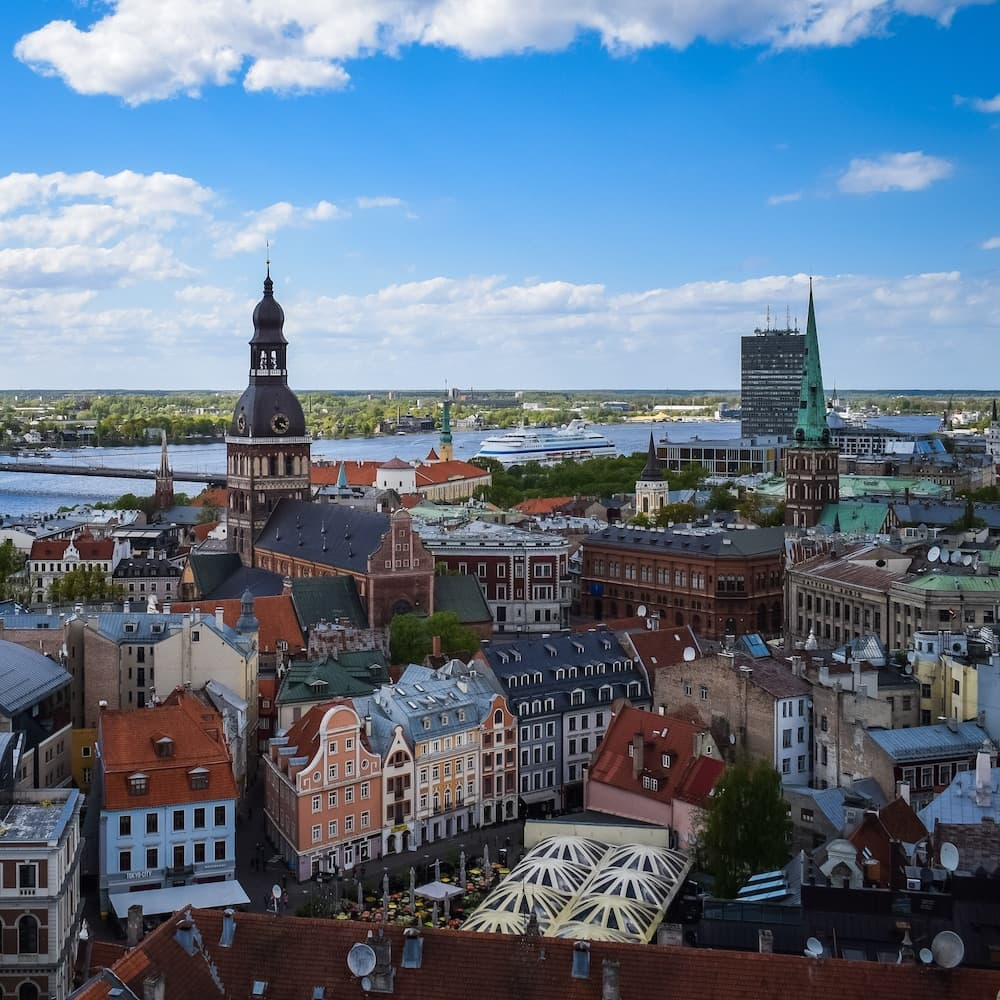

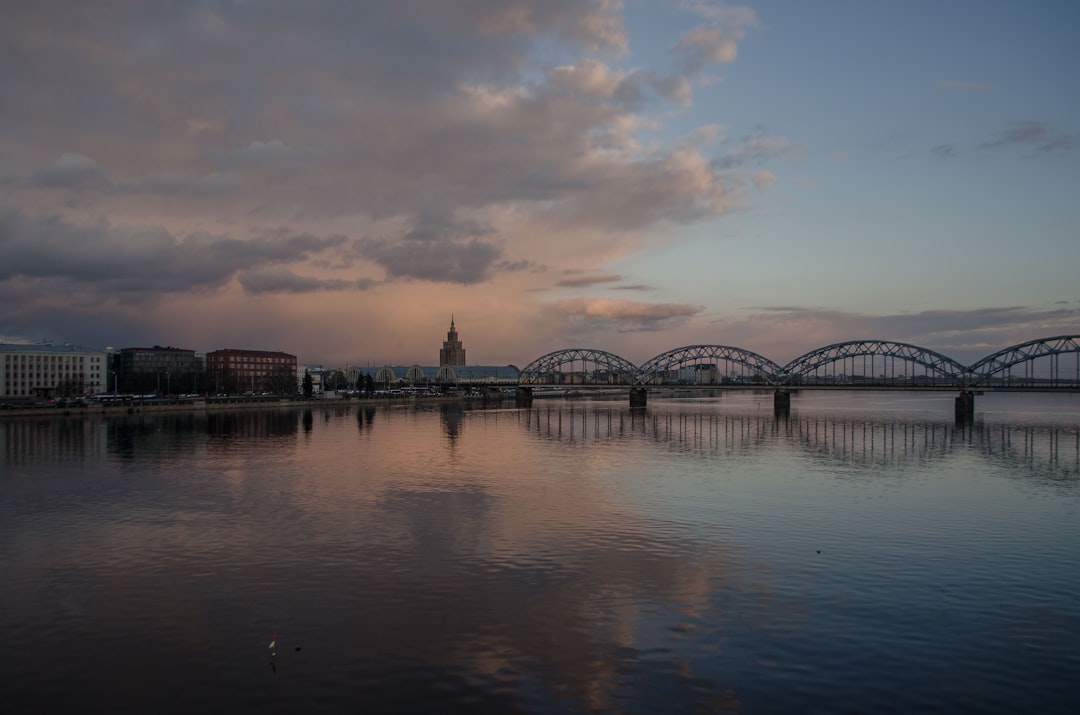
Riga is the largest city in the Baltics and one of the most beautiful. The Old Town is a UNESCO site with narrow streets, colorful buildings, and the House of the Blackheads (a stunning guildhall). St. Peter's Church has a tower you can climb for views over the city. The Central Market is one of the largest markets in Europe (housed in old Zeppelin hangars). It's a great place to try local food and buy fresh produce.
Riga has more Art Nouveau buildings than any other city in the world. Alberta Street and the surrounding neighborhood have stunning examples. If you like architecture, walk around and admire the facades.
The Latvian National Museum of Art and the Museum of the Occupation of Latvia (about Soviet and Nazi occupations) are both worth visiting.
Riga has a lively nightlife scene. Bars, clubs, and pubs are concentrated in the old town and around the central market.
Jūrmala on the coast (30 minutes from Riga) is a beach resort town with sandy beaches, wooden houses, and a more relaxed vibe. It's popular with locals in summer.
Sigulda (about an hour from Riga) is known as the "Switzerland of Latvia" with castles, caves, and hiking trails. It's a good day trip from Riga.
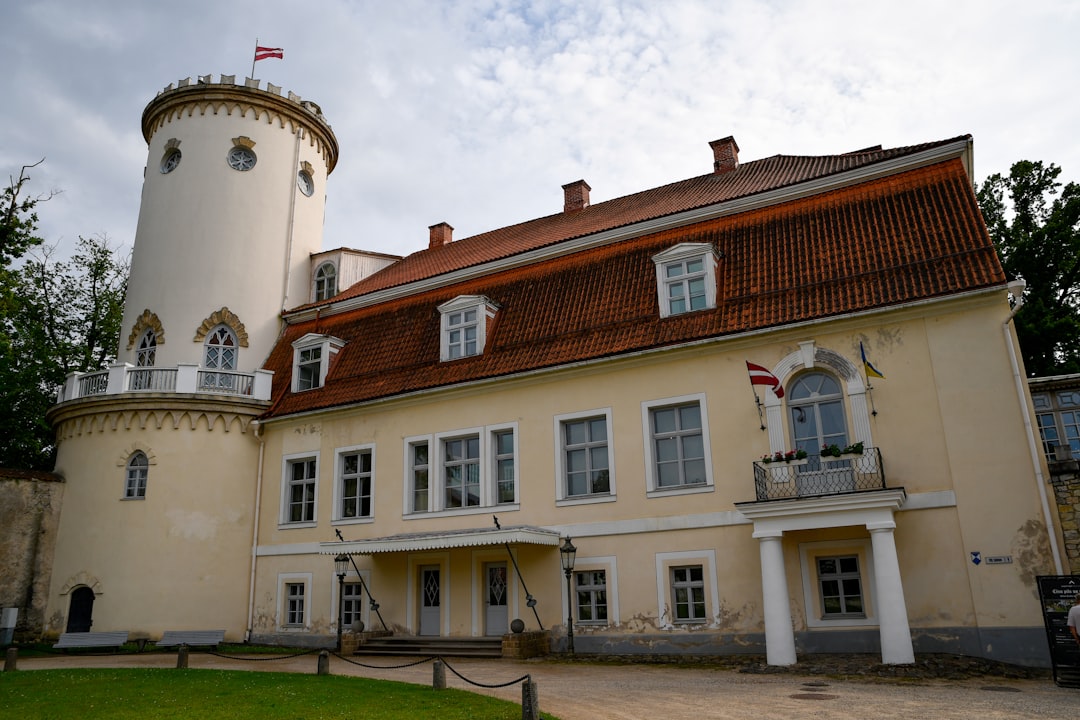
Cēsis is a small town with a medieval castle and a charming old town. It's quieter and less touristy than Riga.
Latvian food is hearty and influenced by German and Russian cuisine. Rye bread, smoked fish, pork, potatoes, and sauerkraut. Rupjmaize (dark rye bread) is a staple. Latvian food is simple and filling.
Latvian people are reserved, quiet, and proud. They're not overly warm or chatty, but they're helpful if you ask. English is widely spoken in Riga, less so in the countryside.
Getting around is easy. Buses connect Riga to other cities and towns. Trains are slower and less frequent. If you want to explore the countryside, rent a car.
Latvia is cheaper than Western Europe but more expensive than Lithuania. Hostels run $12-20/night. A meal at a restaurant is $8-12. A beer is $2-4.
When to go: Summer (June-August) is the best time for weather. Days are long, temperatures are mild (18-22°C/65-72°F), and beaches are accessible. Spring (April-May) and fall (September-October) are cooler and quieter. Winter (November-March) is cold, dark, and snowy, but Riga's Christmas market is charming.
Latvia is understated, beautiful, and affordable. If you're doing the Baltics, Riga is worth a few days.
Latvia Travel Guide
Latvia has Riga (a beautiful Art Nouveau city), beaches, forests, and a quiet, understated charm. Riga is the main draw with colorful buildings, a medieval old town, and a lively nightlife scene. The countryside has castles, manor houses, and Soviet history. Latvian food is hearty and simple. The people are reserved and proud. It's cheaper than Western Europe but more expensive than Lithuania. If you're doing the Baltics, Latvia is worth a stop.
Overview
Latvia Details
🛂 Schengen Country
Yes
Latvia Costs
See something wrong or missing? Help update ✏️ costs for Latvia.
💰 Cost Per Day
No data yet — be the first! ✏️
🎒💵 Cost Per Day - Backpacker
No data yet — be the first! ✏️
👨👩👧👦💵 Cost Per Day - Family
No data yet — be the first! ✏️
💰🤑 Cost Per Day - Luxury
No data yet — be the first! ✏️
🛌 Sleeping
No data yet — be the first! ✏️
🏕️ Camping (per Day)
No data yet — be the first! ✏️
🏕️ Camping (per Week)
No data yet — be the first! ✏️
🏕️ Camping (per Month)
No data yet — be the first! ✏️
🍝 Food
No data yet — be the first! ✏️
🍳 Breakfast (for 1)
No data yet — be the first! ✏️
👨👩👧👦🍳 Breakfast (family)
No data yet — be the first! ✏️
🍔 Lunch (for 1)
No data yet — be the first! ✏️
👨👩👧👦🍔 Lunch (family)
No data yet — be the first! ✏️
🍽 Dinner (for 1)
No data yet — be the first! ✏️
👨👩👧👦🍽 Dinner (family)
No data yet — be the first! ✏️
☕️ Coffee
No data yet — be the first! ✏️
🥤 Coca Cola (0.3L)
No data yet — be the first! ✏️
🥪 Sandwich
No data yet — be the first! ✏️
🥖 Bread
No data yet — be the first! ✏️
🍿 Snacks
No data yet — be the first! ✏️
🍺 Beer (0.5L)
No data yet — be the first! ✏️
🍷 Wine (glass)
No data yet — be the first! ✏️
🍾 Wine (bottle)
No data yet — be the first! ✏️
💧 Water (bottle)
No data yet — be the first! ✏️
🍕 Street Food (for 1)
No data yet — be the first! ✏️
🚙 Transportation
No data yet — be the first! ✏️
🚙 Car Rental (per Day)
No data yet — be the first! ✏️
🚙 Car Rental (per Week)
No data yet — be the first! ✏️
🚙 Car Rental (per Month)
No data yet — be the first! ✏️
🚂🎟️ Train Ticket (single)
No data yet — be the first! ✏️
🚌🎟️ City-to-City Bus Ticket (single)
No data yet — be the first! ✏️
⛽️ Gas/Fuel
No data yet — be the first! ✏️
🚧 Tolls
No data yet — be the first! ✏️
🚊🎟️ City Transit Pass
No data yet — be the first! ✏️
🛬🚌 Airport Transfer
No data yet — be the first! ✏️
📸 Sightseeing
No data yet — be the first! ✏️
🎟 Museum Entry
No data yet — be the first! ✏️
🏰 Attraction Entry
No data yet — be the first! ✏️
🚶♂️ Guided Tours
No data yet — be the first! ✏️
💶 Other
No data yet — be the first! ✏️
👨💻 Co-working
No data yet — be the first! ✏️
🧼 Laundry
No data yet — be the first! ✏️
💁♂️💶 Tipping
No data yet — be the first! ✏️
📲 Mobile Data (~10GB)
No data yet — be the first! ✏️
🛰️ Luggage Storage / Locker (daily)
No data yet — be the first! ✏️
Latvia Scores
See something wrong or missing? Help update ✏️ scores for Latvia.
🤩 Overall Score
No data yet — be the first! 🗳️
💵 Cost
No data yet — be the first! 🗳️
💵 Income Level
No data yet — be the first! 🗳️
🌡 Temperature (Now)
No data yet — be the first! 🗳️
🌡 Temperature (Average)
No data yet — be the first! 🗳️
🌦 Weather
No data yet — be the first! 🗳️
💧 Humidity (Now)
No data yet — be the first! 🗳️
💧 Humidity (Average)
No data yet — be the first! 🗳️
☔️ Rain (Annual)
No data yet — be the first! 🗳️
☀️ Sunshine (Hours Per Day)
No data yet — be the first! 🗳️
💨 Wind
No data yet — be the first! 🗳️
🦹♂️ Safety
No data yet — be the first! 🗳️
🚙 Traffic Safety
No data yet — be the first! 🗳️
👩🏻 Female Friendly
No data yet — be the first! 🗳️
✌️ Peace (No Wars / Political Conflict)
No data yet — be the first! 🗳️
🎉 Fun
No data yet — be the first! 🗳️
💃 Nightlife
No data yet — be the first! 🗳️
😘 For Singles
No data yet — be the first! 🗳️
👩❤️👨 For Couples
No data yet — be the first! 🗳️
👨👩👧👦 Family Score
No data yet — be the first! 🗳️
🚶♂️ Walkability
No data yet — be the first! 🗳️
🚶♂️ Easy To Get Around
No data yet — be the first! 🗳️
👨🦽 Accessibility
No data yet — be the first! 🗳️
📡 Internet
No data yet — be the first! 🗳️
📡 Free Wifi
No data yet — be the first! 🗳️
👨💻 Co-working Places
No data yet — be the first! 🗳️
❄️ A/C
No data yet — be the first! 🗳️
🏥 Hospitals
No data yet — be the first! 🗳️
😃 Happiness
No data yet — be the first! 🗳️
🤝 Friendliness
No data yet — be the first! 🗳️
🤗 Hospitality
No data yet — be the first! 🗳️
🇬🇧 English Speaking
No data yet — be the first! 🗳️
👱♂️👨🏾 Racial Tolerance
No data yet — be the first! 🗳️
🏳️🌈 LGBTQ+ Friendly
No data yet — be the first! 🗳️
🎓 Education Level
No data yet — be the first! 🗳️
🧹 Clean
No data yet — be the first! 🗳️
👍 Rated By Members
No data yet — be the first! 🗳️
👍 Liked By Eurotriprs
No data yet — be the first! 🗳️
Average monthly weather for Latvia
| Monthly Averages | Jan | Feb | Mar | Apr | May | Jun | Jul | Aug | Sep | Oct | Nov | Dec |
|---|---|---|---|---|---|---|---|---|---|---|---|---|
| Weather | ❄️ Snowy | ❄️ Snowy | ⛅ Partly cloudy | 🌦️ Sun & Rain | ⛅ Partly cloudy | 🌦️ Sun & Rain | 🌦️ Sun & Rain | 🌦️ Sun & Rain | 🌦️ Sun & Rain | 🌧️ Rainy | 🌦️ Sun & Rain | ❄️ Snowy |
| Avg. Temp. | 26° F 🥶 Freezing | 28° F 🥶 Freezing | 35° F ⛄️ Cold | 44° F ⛄️ Cold | 54° F 😰 Cool | 63° F 👌 Nice | 65° F 👌 Nice | 64° F 👌 Nice | 57° F 😰 Cool | 46° F 😰 Cool | 38° F ⛄️ Cold | 31° F 🥶 Freezing |
| Feels Like | 18° F 🥶 Freezing | 20° F 🥶 Freezing | 28° F 🥶 Freezing | 37° F ⛄️ Cold | 49° F 😰 Cool | 61° F 👌 Nice | 65° F 👌 Nice | 63° F 👌 Nice | 54° F 😰 Cool | 40° F ⛄️ Cold | 31° F 🥶 Freezing | 23° F 🥶 Freezing |
| High Temp. | 30° F | 33° F | 43° F | 52° F | 62° F | 71° F | 72° F | 71° F | 64° F | 51° F | 41° F | 35° F |
| Low Temp. | 22° F | 23° F | 29° F | 35° F | 44° F | 54° F | 57° F | 56° F | 50° F | 41° F | 34° F | 28° F |
| Sunrise | 06:44 am | 05:49 am | 04:33 am | 03:11 am | 02:02 am | 01:29 am | 01:53 am | 02:51 am | 03:53 am | 04:56 am | 06:02 am | 06:50 am |
| Sunset | 02:16 pm (14:16) | 03:20 pm (15:20) | 04:25 pm (16:25) | 05:30 pm (17:30) | 06:33 pm (18:33) | 07:13 pm (19:13) | 07:00 pm (19:00) | 05:58 pm (17:58) | 04:38 pm (16:38) | 03:17 pm (15:17) | 02:09 pm (14:09) | 01:42 pm (13:42) |
| Sunlight | ☀️ 2h | ☀️ 4h | ☀️ 7h | ☀️ 10h | ☀️ 12h | ☀️ 13h | ☀️ 13h | ☀️ 11h | ☀️ 9h | ☀️ 5h | ☀️ 2h | ☀️ 1h |
| Sunny Days | 4 | 9 | 19 | 24 | 27 | 28 | 28 | 27 | 23 | 14 | 4 | 1 |
| Clouds | 86% | 79% | 66% | 58% | 54% | 56% | 61% | 59% | 61% | 73% | 87% | 88% |
| Humidity | 💦 87% | 💦 84% | 💦 76% | 😥 71% | 😥 67% | 😥 71% | 💦 76% | 💦 78% | 💦 79% | 💦 84% | 💦 88% | 💦 89% |
| Rain | 1 in. (6 Days) | 1 in. (6 Days) | 1 in. (7 Days) | 2 in. (10 Days) | 2 in. (10 Days) | 4 in. (13 Days) | 4 in. (17 Days) | 4 in. (15 Days) | 3 in. (11 Days) | 3 in. (14 Days) | 2 in. (9 Days) | 1 in. (8 Days) |
| Snow | 9 in. (8 Days) | 8 in. (6 Days) | 4 in. (3 Days) | 2 in. (1 Days) | 0 in. (0 Days) | 0 in. (0 Days) | 0 in. (0 Days) | 0 in. (0 Days) | 0 in. (0 Days) | 1 in. (1 Days) | 5 in. (4 Days) | 8 in. (7 Days) |
| Wind | 9.12 mph | 8.75 mph | 8.3 mph | 8.55 mph | 7.4 mph | 7.21 mph | 7.05 mph | 6.99 mph | 8.02 mph | 9.09 mph | 8.67 mph | 9.12 mph |
| Last updated on: Apr 2026 | Source: Open Meteo | |||||||||||
⚠️ Weather and climate is for monthly averages for Latvia. Current weather and temperatures might be different on any given day. This table is for planning purposes. Please check current weather forecasts before your trip.


Latvia
An aerial view of a city with a river in the background
Photo by Alexander Kovalev on Unsplash

Latvia
An aerial view of a city with a bridge in the background
Photo by Alexander Kovalev on Unsplash