 EuroTripr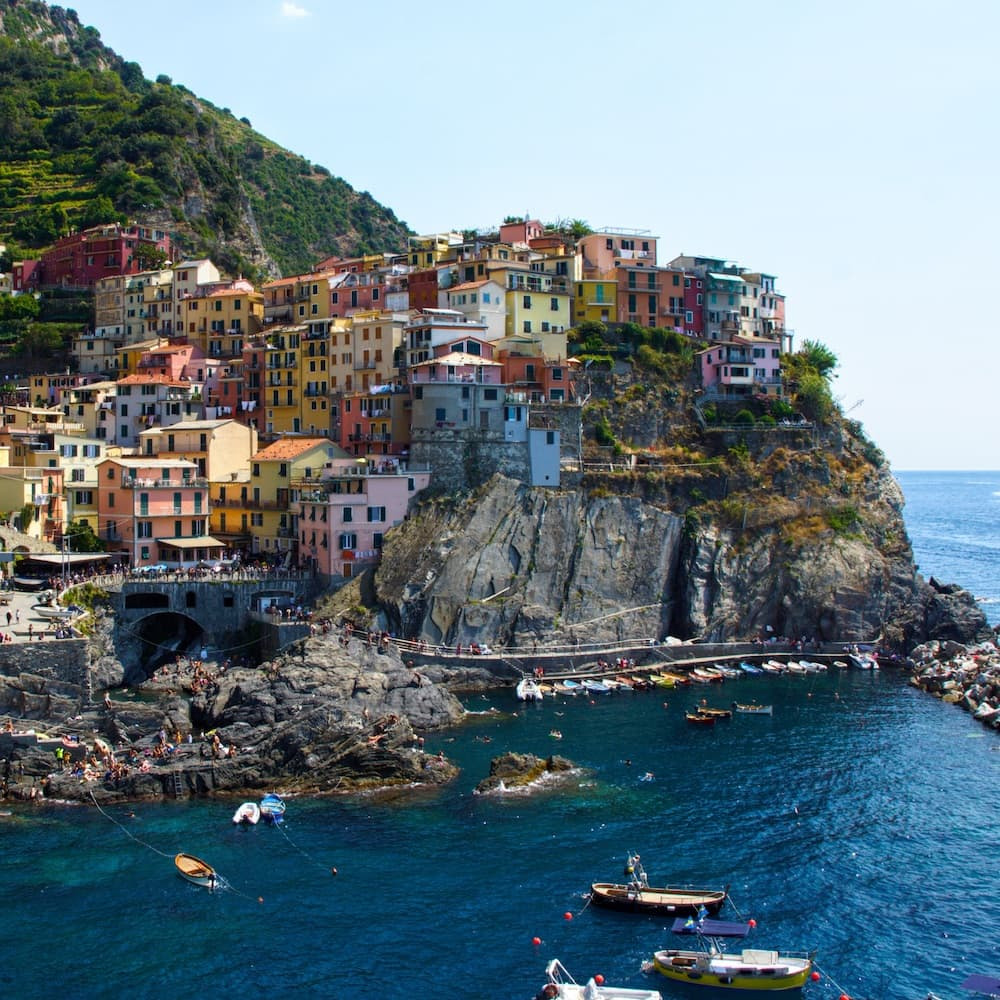
Rome is overwhelming. Ancient ruins everywhere (Colosseum, Roman Forum, Pantheon), endless churches (St. Peter's Basilica, Sistine Chapel), fountains (Trevi Fountain), and crowds that never seem to thin out. The Vatican is its own country within Rome. The Sistine Chapel is packed with tourists staring at the ceiling (Michelangelo's masterpiece). St. Peter's Basilica is massive and free. Climb the dome for views over the city (it's exhausting but worth it). The Colosseum and Roman Forum are next to each other. Book tickets in advance to skip the lines. Trastevere is the charming neighborhood across the river with narrow streets, trattorias, and a more local vibe.
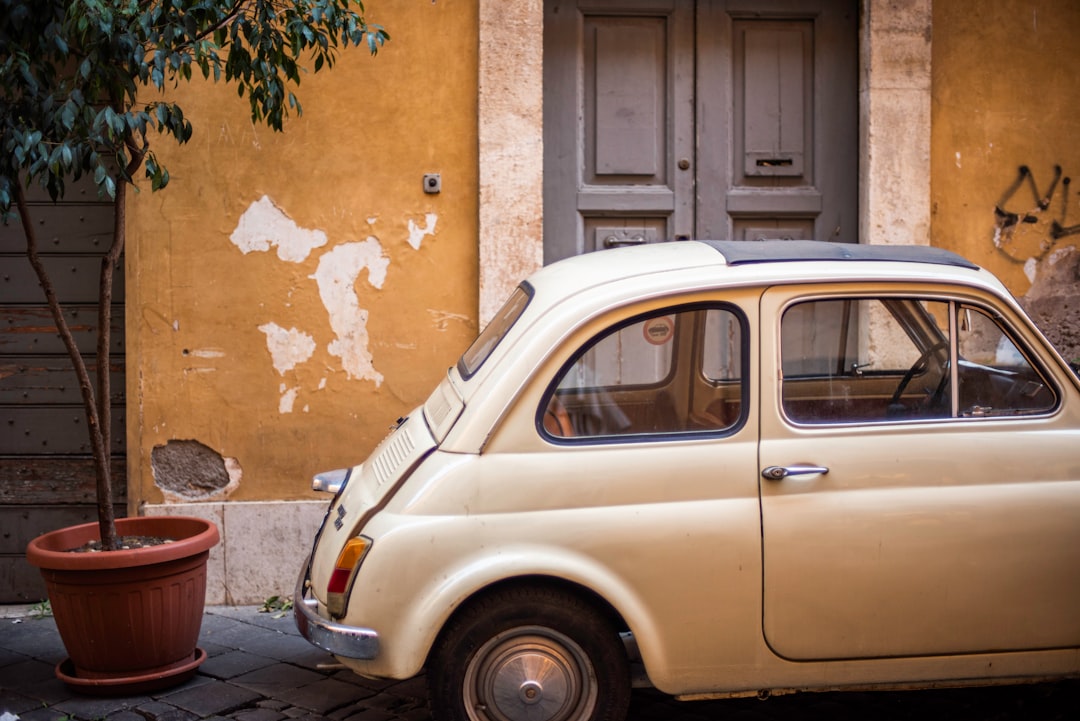
Rome is chaotic. Traffic is insane, scooters are everywhere, and pickpockets work the tourist areas (especially around the Colosseum and Termini train station). But it's also beautiful, historic, and full of life.
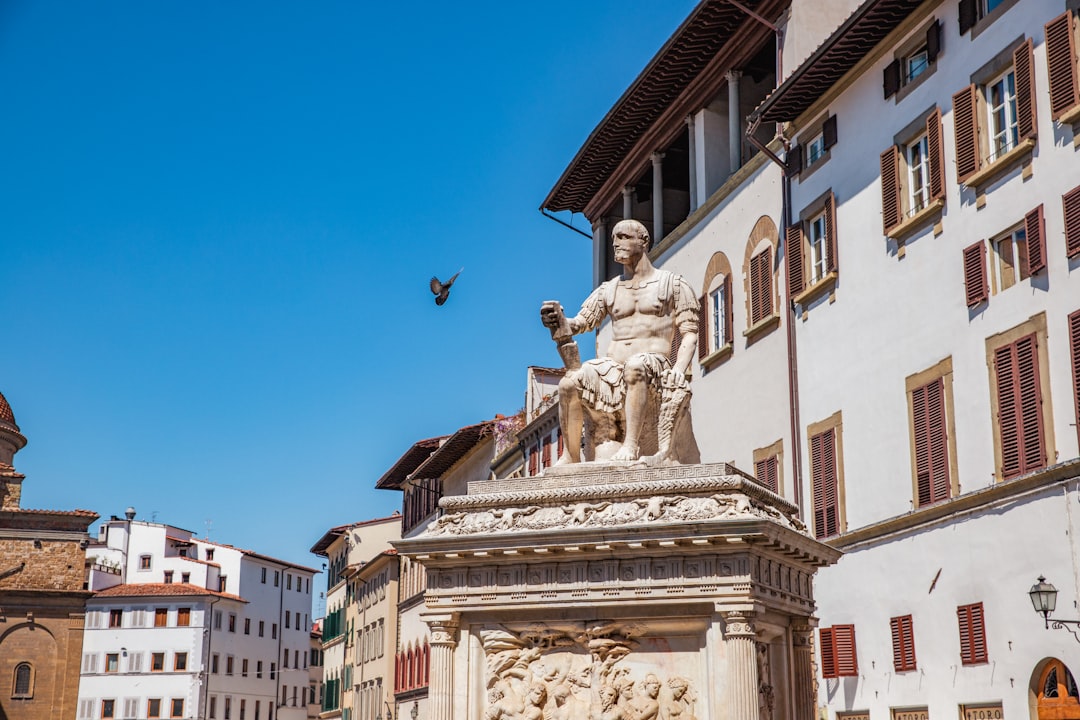
Florence is Renaissance perfection. The Duomo (cathedral) dominates the skyline. Climb to the top for views over the red rooftops. The Uffizi Gallery has some of the most famous Renaissance art in the world (Botticelli's Birth of Venus, works by Leonardo and Michelangelo). Book tickets in advance or you'll wait hours. Ponte Vecchio is the old bridge with jewelry shops built into it. The Accademia Gallery has Michelangelo's David (book tickets in advance). Florence is compact, walkable, and crowded in summer.
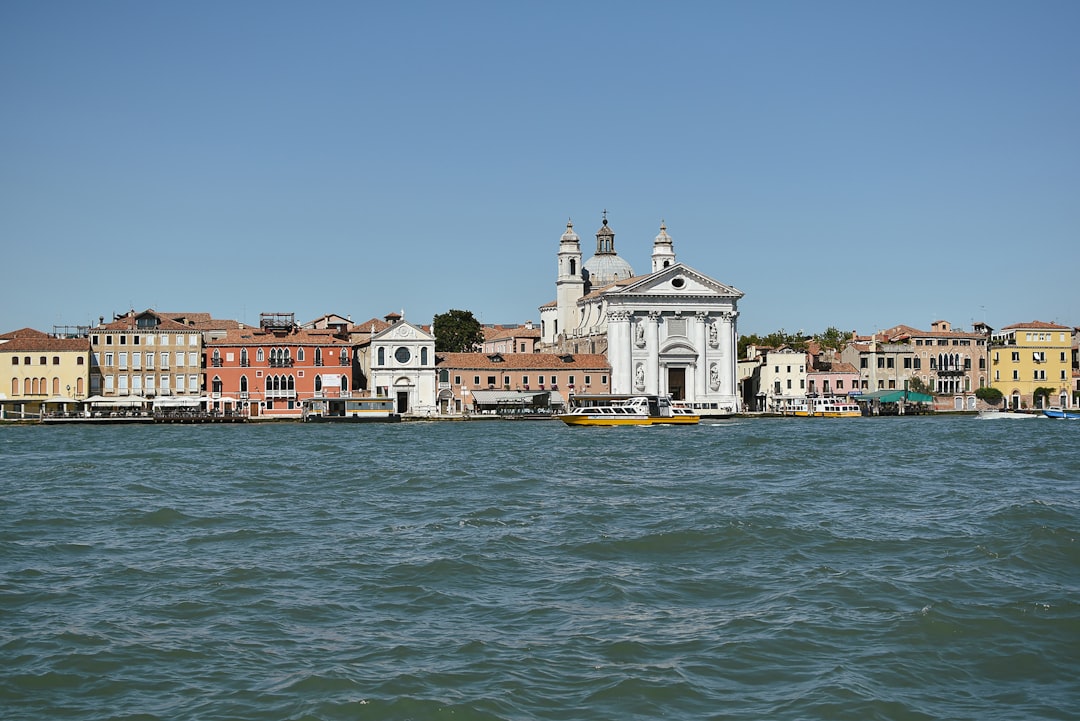
Venice is surreal. Canals instead of streets, gondolas instead of cars, and bridges everywhere. St. Mark's Square is packed with tourists and pigeons. The Basilica is stunning (gold mosaics everywhere). The Doge's Palace next door is worth a visit. Take a vaporetto (water bus) down the Grand Canal. Get lost in the narrow streets away from St. Mark's Square. Venice is sinking, crowded, and expensive, but it's also unlike anywhere else in the world.
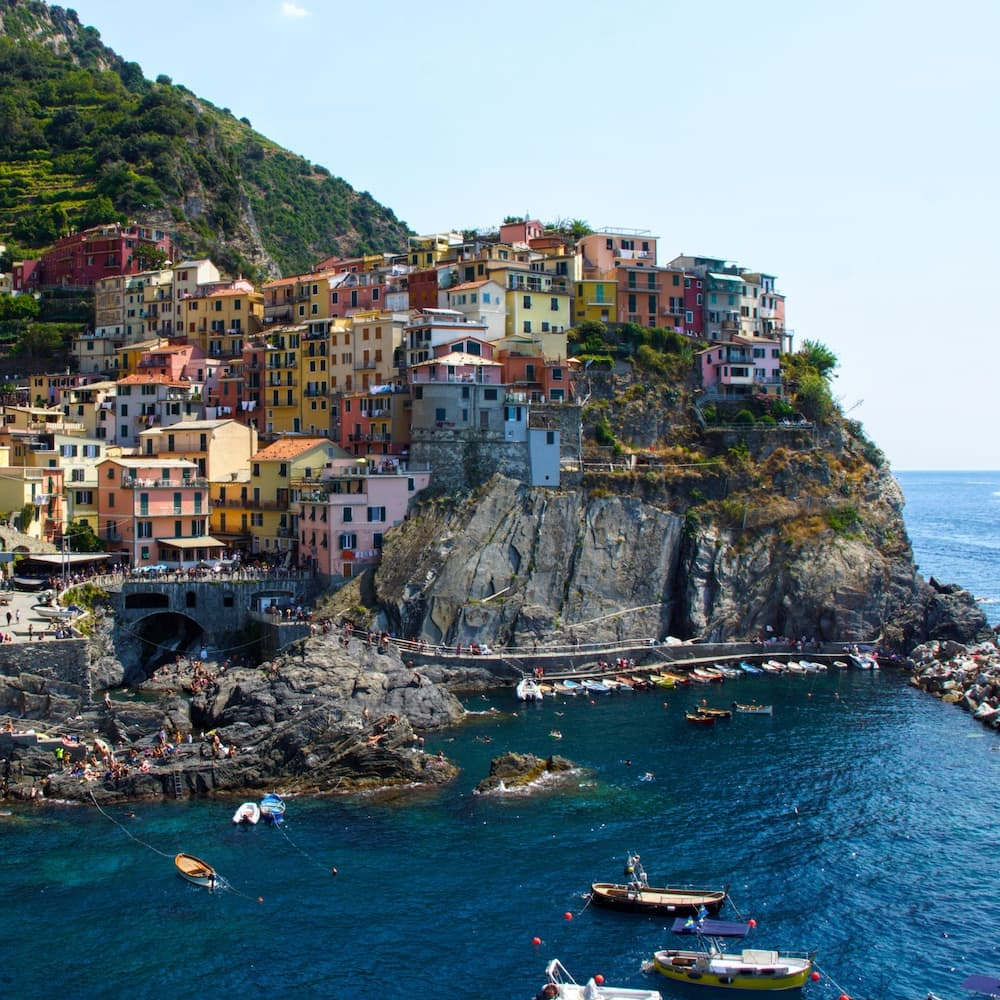
The Cinque Terre on the northwest coast is five colorful villages perched on cliffs overlooking the Mediterranean. You can hike between the villages (the trails are stunning but can be closed due to landslides). It's touristy, crowded in summer, and beautiful.
Tuscany is rolling hills, vineyards, cypress trees, and medieval towns (Siena, San Gimignano). It's best explored by car. Rent one in Florence and drive through the countryside. Wine tasting in Chianti is a must.
The Amalfi Coast in southern Italy is dramatic cliffs, colorful towns (Positano, Amalfi, Ravello), and some of the most beautiful coastline in Europe. It's expensive, crowded in summer, and accessible by bus or car (the roads are narrow and terrifying).
Milan in the north is fashion, business, and design. The Duomo (cathedral) is stunning. Da Vinci's Last Supper is here (book months in advance). Milan is less touristy than Rome or Florence, but it's also more expensive and less charming.
The Italian Lakes (Lake Como, Lake Garda) in the north are beautiful, peaceful, and popular with wealthy Europeans. George Clooney has a villa on Lake Como, if that tells you anything.
Southern Italy (Puglia, Sicily, Calabria) is less touristy, cheaper, amazing, and more authentic. The food is incredible, the beaches are beautiful, and you'll feel like you've stepped back in time.
Italian food is as good as advertised. Pizza (Naples is the birthplace of pizza, and it's the best you'll ever have). Pasta (carbonara in Rome, pesto in Genoa, ragu in Bologna). Gelato (get it from a place where the gelato is stored in metal containers, not piled high in colorful mounds). Wine (Chianti, Barolo, Prosecco). Espresso (Italians drink it standing at the bar, not sitting down). Every region has its own specialties. Eat local, avoid tourist traps near major sights.
Italians are warm, loud, and expressive. They talk with their hands, argue passionately, and take food seriously. Don't order cappuccino after 11am (it's a breakfast drink). Don't ask for parmesan on seafood pasta (it's a crime). Italians are proud of their food and their culture, and they'll tell you if you're doing it wrong.
Getting around is straightforward. Trains connect all major cities. Trenitalia and Italo are the main train companies. Book tickets in advance for cheaper fares. Regional trains are slower but cheap. Buses connect smaller towns. If you want to explore Tuscany or the Amalfi Coast, rent a car (but avoid driving in Rome or Naples).
Italy is mid-range cost-wise. Hostels run $20-35/night. A pizza or pasta at a restaurant is $8-15. A coffee is $1-2. A scoop of gelato is $2-3. Venice and the Amalfi Coast are more expensive. Southern Italy is cheaper.
When to go: Spring (April-May) and fall (September-October) are perfect. The weather is warm, crowds are manageable, and prices are reasonable. Summer (June-August) is hot (30°C+/86°F+), crowded, and expensive. August is when Italians go on vacation, so many small businesses close. Winter (November-March) is cold and quiet, but Rome, Florence, and Venice are still accessible (and much less crowded).
Italy is overwhelming, beautiful, and full of life. It's one of the most visited countries in Europe for good reason.
Italy Travel Guide
Italy has art, food, history, and beautiful chaos all rolled into one. Rome is ancient ruins and endless churches. Florence is Renaissance art and architecture. Venice is canals and surreal beauty. The countryside (Tuscany, Cinque Terre, Amalfi Coast) is stunning. Italian food is as good as advertised (pizza, pasta, gelato, wine). Italians are warm, loud, and expressive. It's crowded in summer and around major sights. The trains are good but can be confusing. It's mid-range cost-wise (cheaper than northern Europe, pricier than Eastern Europe). Italy is overwhelming, beautiful, and one of the most visited countries in Europe for good reason.
Overview
Italy Details
🛂 Schengen Country
Yes
Italy Costs
See something wrong or missing? Help update ✏️ costs for Italy.
💰 Cost Per Day
$235
🎒💵 Cost Per Day - Backpacker
$93
👨👩👧👦💵 Cost Per Day - Family
No data yet — be the first! ✏️
💰🤑 Cost Per Day - Luxury
$588
🛌 Sleeping
$50.93
🏕️ Camping (per Day)
No data yet — be the first! ✏️
🏕️ Camping (per Week)
No data yet — be the first! ✏️
🏕️ Camping (per Month)
No data yet — be the first! ✏️
🍝 Food
$89
🍳 Breakfast (for 1)
$21.5
👨👩👧👦🍳 Breakfast (family)
$68.8
🍔 Lunch (for 1)
$22.42
👨👩👧👦🍔 Lunch (family)
$71.73
🍽 Dinner (for 1)
$43.36
👨👩👧👦🍽 Dinner (family)
$133.34
☕️ Coffee
$2.36
🥤 Coca Cola (0.3L)
$1.51
🥪 Sandwich
No data yet — be the first! ✏️
🥖 Bread
$1.48
🍿 Snacks
$4.64
🍺 Beer (0.5L)
$4.74
🍷 Wine (glass)
$5.16
🍾 Wine (bottle)
$9.96
💧 Water (bottle)
$0.98
🍕 Street Food (for 1)
$12.87
🚙 Transportation
$32
🚙 Car Rental (per Day)
No data yet — be the first! ✏️
🚙 Car Rental (per Week)
No data yet — be the first! ✏️
🚙 Car Rental (per Month)
No data yet — be the first! ✏️
🚂🎟️ Train Ticket (single)
$33.64
🚌🎟️ City-to-City Bus Ticket (single)
No data yet — be the first! ✏️
⛽️ Gas/Fuel
No data yet — be the first! ✏️
🚧 Tolls
No data yet — be the first! ✏️
🚊🎟️ City Transit Pass
$1.45
🛬🚌 Airport Transfer
No data yet — be the first! ✏️
📸 Sightseeing
$31
🎟 Museum Entry
$6.96
🏰 Attraction Entry
$21.75
🚶♂️ Guided Tours
$17.98
💶 Other
No data yet — be the first! ✏️
👨💻 Co-working
No data yet — be the first! ✏️
🧼 Laundry
No data yet — be the first! ✏️
💁♂️💶 Tipping
No data yet — be the first! ✏️
📲 Mobile Data (~10GB)
$12.41
🛰️ Luggage Storage / Locker (daily)
No data yet — be the first! ✏️
Italy Scores
See something wrong or missing? Help update ✏️ scores for Italy.
🤩 Overall Score
No data yet — be the first! 🗳️
💵 Cost
No data yet — be the first! 🗳️
💵 Income Level
No data yet — be the first! 🗳️
🌡 Temperature (Now)
No data yet — be the first! 🗳️
🌡 Temperature (Average)
No data yet — be the first! 🗳️
🌦 Weather
No data yet — be the first! 🗳️
💧 Humidity (Now)
No data yet — be the first! 🗳️
💧 Humidity (Average)
No data yet — be the first! 🗳️
☔️ Rain (Annual)
No data yet — be the first! 🗳️
☀️ Sunshine (Hours Per Day)
No data yet — be the first! 🗳️
💨 Wind
No data yet — be the first! 🗳️
🦹♂️ Safety
No data yet — be the first! 🗳️
🚙 Traffic Safety
No data yet — be the first! 🗳️
👩🏻 Female Friendly
No data yet — be the first! 🗳️
✌️ Peace (No Wars / Political Conflict)
No data yet — be the first! 🗳️
🎉 Fun
No data yet — be the first! 🗳️
💃 Nightlife
No data yet — be the first! 🗳️
😘 For Singles
No data yet — be the first! 🗳️
👩❤️👨 For Couples
No data yet — be the first! 🗳️
👨👩👧👦 Family Score
No data yet — be the first! 🗳️
🚶♂️ Walkability
No data yet — be the first! 🗳️
🚶♂️ Easy To Get Around
No data yet — be the first! 🗳️
👨🦽 Accessibility
No data yet — be the first! 🗳️
📡 Internet
No data yet — be the first! 🗳️
📡 Free Wifi
No data yet — be the first! 🗳️
👨💻 Co-working Places
No data yet — be the first! 🗳️
❄️ A/C
No data yet — be the first! 🗳️
🏥 Hospitals
No data yet — be the first! 🗳️
😃 Happiness
No data yet — be the first! 🗳️
🤝 Friendliness
No data yet — be the first! 🗳️
🤗 Hospitality
No data yet — be the first! 🗳️
🇬🇧 English Speaking
No data yet — be the first! 🗳️
👱♂️👨🏾 Racial Tolerance
No data yet — be the first! 🗳️
🏳️🌈 LGBTQ+ Friendly
No data yet — be the first! 🗳️
🎓 Education Level
No data yet — be the first! 🗳️
🧹 Clean
No data yet — be the first! 🗳️
👍 Rated By Members
No data yet — be the first! 🗳️
👍 Liked By Eurotriprs
No data yet — be the first! 🗳️
Trip itineraries that include Italy.
🗓️
75 days
🇪🇺 10
💰 $5,804
💵 $80/day
Summer In Europe
0%
0%
📆 Total Days: 75
🛂 Schengen Days: 39
💰 Total Cost: $5,804
💵 Daily Cost: $80
🇪🇺 Countries: 10
🗓️
17 days
🇪🇺 4
💰 $1,572
💵 $92/day
Europe Highlights In 2 Weeks
0%
0%
📆 Total Days: 17
🛂 Schengen Days: 14
💰 Total Cost: $1,572
💵 Daily Cost: $92
🇪🇺 Countries: 4
Average monthly weather for Italy
| Monthly Averages | Jan | Feb | Mar | Apr | May | Jun | Jul | Aug | Sep | Oct | Nov | Dec |
|---|---|---|---|---|---|---|---|---|---|---|---|---|
| Weather | 🌦️ Sun & Rain | ⛅ Partly cloudy | ⛅ Partly cloudy | ⛅ Partly cloudy | 🌦️ Sun & Rain | ☀️ Sunny | ☀️ Sunny | ☀️ Sunny | ⛅ Partly cloudy | 🌦️ Sun & Rain | 🌦️ Sun & Rain | ⛅ Partly cloudy |
| Avg. Temp. | 46° F 😰 Cool | 49° F 😰 Cool | 52° F 😰 Cool | 58° F 😰 Cool | 65° F 👌 Nice | 75° F 😍 Perfect | 80° F 😍 Perfect | 80° F 😍 Perfect | 71° F 😍 Perfect | 64° F 👌 Nice | 55° F 😰 Cool | 48° F 😰 Cool |
| Feels Like | 41° F ⛄️ Cold | 45° F ⛄️ Cold | 48° F 😰 Cool | 55° F 😰 Cool | 64° F 👌 Nice | 76° F 😍 Perfect | 83° F 😥 Hot | 83° F 😥 Hot | 73° F 😍 Perfect | 63° F 👌 Nice | 53° F 😰 Cool | 44° F ⛄️ Cold |
| High Temp. | 55° F | 58° F | 62° F | 68° F | 74° F | 86° F | 92° F | 91° F | 81° F | 73° F | 63° F | 56° F |
| Low Temp. | 39° F | 41° F | 44° F | 48° F | 55° F | 64° F | 70° F | 70° F | 63° F | 56° F | 49° F | 41° F |
| Sunrise | 06:32 am | 06:04 am | 05:19 am | 04:28 am | 03:49 am | 03:34 am | 03:49 am | 04:18 am | 04:50 am | 05:23 am | 05:59 am | 06:29 am |
| Sunset | 04:04 pm (16:04) | 04:41 pm (16:41) | 05:16 pm (17:16) | 05:50 pm (17:50) | 06:23 pm (18:23) | 06:45 pm (18:45) | 06:41 pm (18:41) | 06:07 pm (18:07) | 05:18 pm (17:18) | 04:27 pm (16:27) | 03:49 pm (15:49) | 03:40 pm (15:40) |
| Sunlight | ☀️ 7h | ☀️ 8h | ☀️ 9h | ☀️ 11h | ☀️ 12h | ☀️ 13h | ☀️ 14h | ☀️ 13h | ☀️ 11h | ☀️ 9h | ☀️ 7h | ☀️ 7h |
| Sunny Days | 22 | 23 | 27 | 28 | 29 | 30 | 31 | 31 | 29 | 27 | 21 | 23 |
| Clouds | 54% | 51% | 52% | 48% | 49% | 32% | 17% | 23% | 40% | 47% | 56% | 50% |
| Humidity | 💦 80% | 💦 78% | 😥 74% | 😥 71% | 😥 71% | 😥 63% | 😥 58% | 😥 60% | 😥 71% | 💦 77% | 💦 81% | 💦 82% |
| Rain | 3 in. (10 Days) | 3 in. (9 Days) | 3 in. (10 Days) | 2 in. (10 Days) | 3 in. (12 Days) | 1 in. (5 Days) | 1 in. (4 Days) | 1 in. (5 Days) | 4 in. (9 Days) | 4 in. (11 Days) | 6 in. (13 Days) | 4 in. (10 Days) |
| Snow | 0 in. (0 Days) | 1 in. (0 Days) | 0 in. (0 Days) | 0 in. (0 Days) | 0 in. (0 Days) | 0 in. (0 Days) | 0 in. (0 Days) | 0 in. (0 Days) | 0 in. (0 Days) | 0 in. (0 Days) | 0 in. (0 Days) | 0 in. (0 Days) |
| Wind | 6.37 mph | 6.3 mph | 6.32 mph | 5.98 mph | 5.61 mph | 5.36 mph | 5.68 mph | 5.23 mph | 5.1 mph | 5.66 mph | 6.19 mph | 6.01 mph |
| Last updated on: Apr 2026 | Source: Open Meteo | |||||||||||
⚠️ Weather and climate is for monthly averages for Italy. Current weather and temperatures might be different on any given day. This table is for planning purposes. Please check current weather forecasts before your trip.


Italy
Ornate architectural details on a white marble building.
Photo by Kseniia Zapiatkina on Unsplash


Italy
Florence cityscape with duomo and mountains in the background mountains
Photo by Leonardo Evaristo on Unsplash


Italy
Piazza del plebiscito in naples with royal palace and statue.
Photo by Aleksandar Rusev on Unsplash


Italy
Grand neoclassical building with many columns and statues.
Photo by Cristian Pineda on Unsplash
Cities in Italy
Rank
1
Daily Cost
$70
Weather Now
☀️ 59°
Liked?
😀
Florence
Italy
0%
0%
🌟 Overall
💸 Cost
📡 Internet
🎉 Fun
👮♀️ Safety
Rank
2
Daily Cost
$75
Weather Now
☀️ 61°
Liked?
😀
Rome
Italy
0%
0%
🌟 Overall
💸 Cost
📡 Internet
🎉 Fun
👮♀️ Safety
Rank
3
Daily Cost
$85
Weather Now
☀️ 57°
Liked?
😀
Venice
Italy
0%
0%
🌟 Overall
💸 Cost
📡 Internet
🎉 Fun
👮♀️ Safety
Things to Do in Italy
Rank
1
Avg Cost
$
Avg Time
1h
Worth It?
😍
Accademia Gallery
Florence, Italy
0%
0%
🌟 Overall
💸 Cost
📡 Internet
🎉 Fun
👮♀️ Safety
Rank
2
Avg Cost
$
Avg Time
1h
Worth It?
😀
Aventine Keyhole
Rome, Italy
0%
0%
🌟 Overall
💸 Cost
📡 Internet
🎉 Fun
👮♀️ Safety
Rank
3
Avg Cost
$
Avg Time
1h
Worth It?
😍
Bargello Museum
Florence, Italy
0%
0%
🌟 Overall
💸 Cost
📡 Internet
🎉 Fun
👮♀️ Safety
Rank
4
Avg Cost
$
Avg Time
1h
Worth It?
😀
Boboli Gardens
Florence, Italy
0%
0%
🌟 Overall
💸 Cost
📡 Internet
🎉 Fun
👮♀️ Safety
Rank
5
Avg Cost
$
Avg Time
1h
Worth It?
😀
Borghese Gallery
Rome, Italy
0%
0%
🌟 Overall
💸 Cost
📡 Internet
🎉 Fun
👮♀️ Safety
Rank
6
Avg Cost
$
Avg Time
1h
Worth It?
😀
Burano Island
Venice, Italy
0%
0%
🌟 Overall
💸 Cost
📡 Internet
🎉 Fun
👮♀️ Safety
Rank
7
Avg Cost
$
Avg Time
1h
Worth It?
😀
Colosseum
Rome, Italy
0%
0%
🌟 Overall
💸 Cost
📡 Internet
🎉 Fun
👮♀️ Safety
Rank
8
Avg Cost
$
Avg Time
1h
Worth It?
😀
Doge's Palace
Venice, Italy
0%
0%
🌟 Overall
💸 Cost
📡 Internet
🎉 Fun
👮♀️ Safety
Rank
9
Avg Cost
$
Avg Time
1h
Worth It?
😀
Florence Cathedral (Duomo)
Florence, Italy
0%
0%
🌟 Overall
💸 Cost
📡 Internet
🎉 Fun
👮♀️ Safety
Rank
10
Avg Cost
$
Avg Time
1h
Worth It?
😍
Gallerie Dell'Accademia
Venice, Italy
0%
0%
🌟 Overall
💸 Cost
📡 Internet
🎉 Fun
👮♀️ Safety
Rank
11
Avg Cost
$
Avg Time
1h
Worth It?
🤩
Grand Canal Vaporetto Ride
Venice, Italy
0%
0%
🌟 Overall
💸 Cost
📡 Internet
🎉 Fun
👮♀️ Safety
Rank
12
Avg Cost
$
Avg Time
1h
Worth It?
🤩
Libreria Acqua Alta
Venice, Italy
0%
0%
🌟 Overall
💸 Cost
📡 Internet
🎉 Fun
👮♀️ Safety
Rank
13
Avg Cost
$
Avg Time
1h
Worth It?
😀
Murano Glass Museum
Venice, Italy
0%
0%
🌟 Overall
💸 Cost
📡 Internet
🎉 Fun
👮♀️ Safety
Rank
14
Avg Cost
$
Avg Time
1h
Worth It?
🤩
Oltrarno Neighborhood
Florence, Italy
0%
0%
🌟 Overall
💸 Cost
📡 Internet
🎉 Fun
👮♀️ Safety
Rank
15
Avg Cost
$
Avg Time
1h
Worth It?
😍
Palatine Hill & Roman Forum
Rome, Italy
0%
0%
🌟 Overall
💸 Cost
📡 Internet
🎉 Fun
👮♀️ Safety
Rank
16
Avg Cost
$
Avg Time
1h
Worth It?
😍
Pantheon
Rome, Italy
0%
0%
🌟 Overall
💸 Cost
📡 Internet
🎉 Fun
👮♀️ Safety
Rank
17
Avg Cost
$
Avg Time
1h
Worth It?
😀
Piazzale Michelangelo
Florence, Italy
0%
0%
🌟 Overall
💸 Cost
📡 Internet
🎉 Fun
👮♀️ Safety
Rank
18
Avg Cost
$
Avg Time
1h
Worth It?
😍
Ponte Vecchio
Florence, Italy
0%
0%
🌟 Overall
💸 Cost
📡 Internet
🎉 Fun
👮♀️ Safety
Rank
19
Avg Cost
$
Avg Time
1h
Worth It?
😍
Rialto Bridge
Venice, Italy
0%
0%
🌟 Overall
💸 Cost
📡 Internet
🎉 Fun
👮♀️ Safety
Rank
20
Avg Cost
$
Avg Time
1h
Worth It?
😍
St. Mark's Basilica
Venice, Italy
0%
0%
🌟 Overall
💸 Cost
📡 Internet
🎉 Fun
👮♀️ Safety
Rank
21
Avg Cost
$
Avg Time
1h
Worth It?
😀
Trastevere Neighborhood
Rome, Italy
0%
0%
🌟 Overall
💸 Cost
📡 Internet
🎉 Fun
👮♀️ Safety
Rank
22
Avg Cost
$
Avg Time
1h
Worth It?
😍
Trevi Fountain
Rome, Italy
0%
0%
🌟 Overall
💸 Cost
📡 Internet
🎉 Fun
👮♀️ Safety
Rank
23
Avg Cost
$
Avg Time
1h
Worth It?
😀
Uffizi Gallery
Florence, Italy
0%
0%
🌟 Overall
💸 Cost
📡 Internet
🎉 Fun
👮♀️ Safety
Rank
24
Avg Cost
$
Avg Time
1h
Worth It?
😀
Vatican Museums & Sistine Chapel
Rome, Italy
0%
0%