 EuroTripr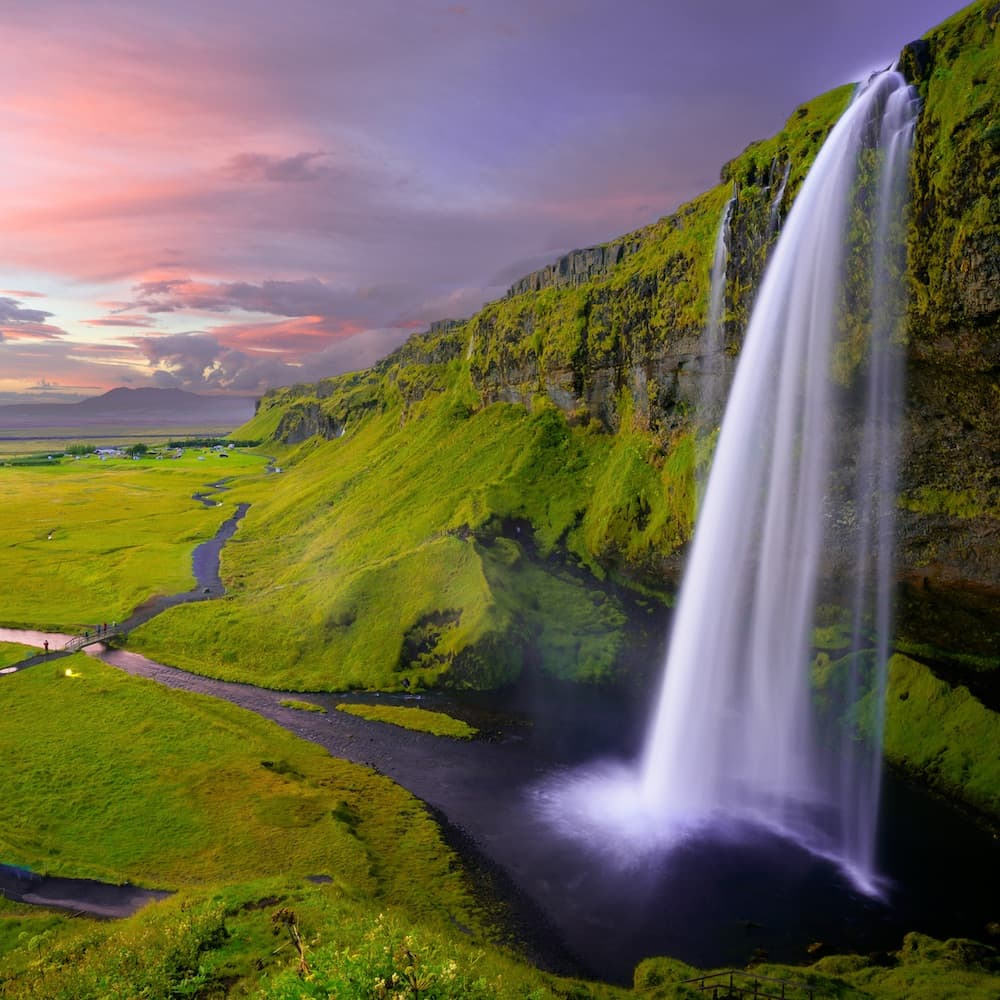
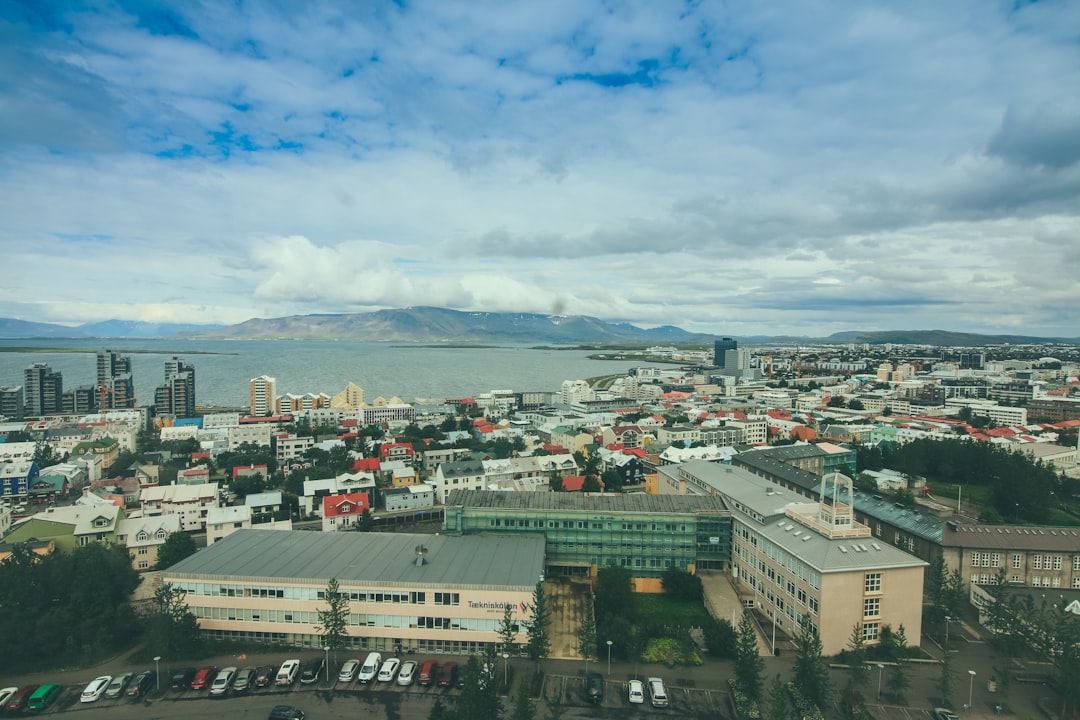
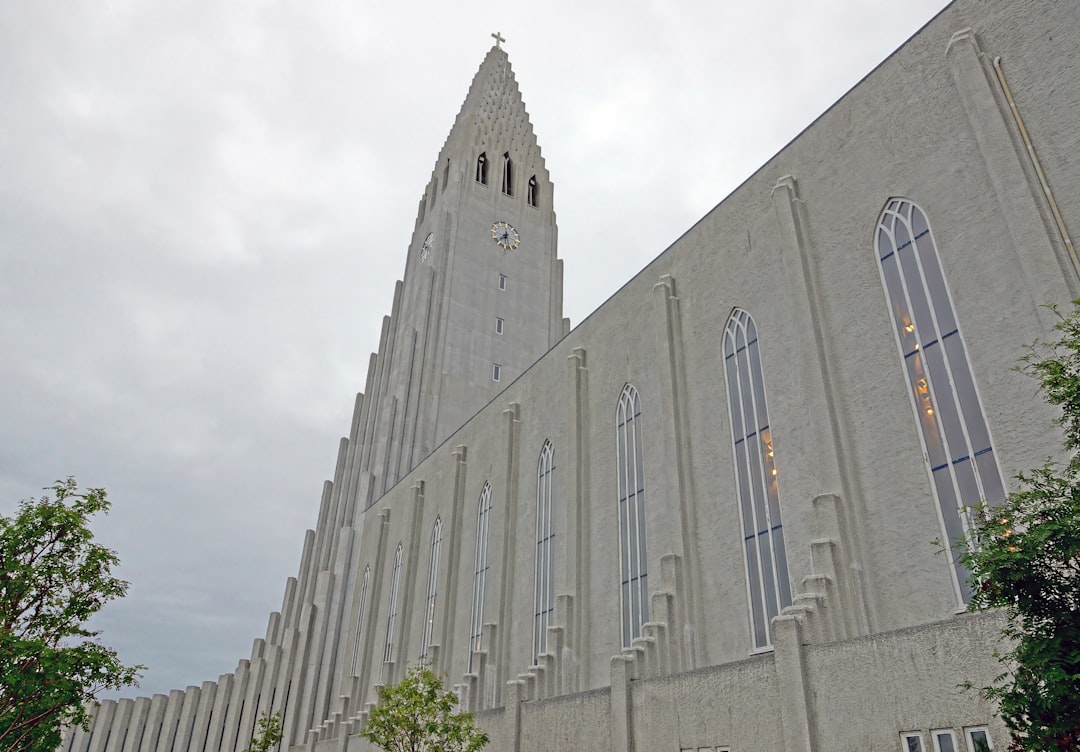
Reykjavik is small, colorful, and quirky. It's the northernmost capital in the world, and it feels like a town more than a city. Colorful buildings, street art, a surprisingly good food scene (seafood, lamb, and yes, you can try fermented shark if you're brave), and a solid music scene. The Hallgrímskirkja church sits on a hill overlooking the city. Most people use Reykjavik as a base and then drive out to see the rest of the country.
The Golden Circle is the classic day trip from Reykjavik. You hit the main sights in about 6-8 hours. Þingvellir National Park (where you can see the tectonic plates separating), Geysir (where the word "geyser" comes from), and Gullfoss waterfall. It's touristy but the landscapes are genuinely stunning.
The Ring Road loops the entire island and takes you through everything. Glaciers, waterfalls (Skógafoss and Seljalandsfoss are the famous ones), black sand beaches, fishing villages, fjords. You can do it in a week but you'll be rushing. Two weeks is better if you want to actually stop and hike and explore.
The South Coast is the most accessible and dramatic. Waterfalls, glaciers, Jökulsárlón glacier lagoon where icebergs float in black water. It's absurdly photogenic.
The north has Lake Mývatn (hot springs, lava formations, bizarre volcanic landscapes) and Akureyri (the main northern town). The Westfjords are remote, rugged, and beautiful but harder to reach.
Icelanders are friendly, outdoorsy, and practical. They're used to tourists now, so they're helpful without being overly warm. Everyone hikes, everyone seems to have done something adventurous, and nobody freaks out about the weather because it's always changing.
The food is fresh and expensive. Seafood (fish and chips, lobster soup), lamb, dairy. You can try traditional stuff like fermented shark or sheep's head if you want, but most people stick to the normal stuff. Coffee culture is strong.
The weather is unpredictable year-round. Wind, rain, sudden fog, and then sunshine ten minutes later. Layers are essential. Summer (June-August) has midnight sun and temperatures around 10-15°C (50-60°F). Winter (November-March) is dark, cold (around 0°C/32°F), and icy, but that's when you see the Northern Lights.
Iceland is extremely expensive. One of the priciest countries in Europe. A meal out can easily cost $30-50. Gas is expensive. Accommodations are expensive. Even groceries are pricey. Budget travelers struggle here unless they camp and cook their own food.
You need a car for most of Iceland unless you're doing a bus tour or just staying in Reykjavik. Rental cars aren't cheap, but they give you freedom. Roads are good in summer but can be treacherous in winter. Always check road conditions before driving.
Getting around without a car is tough. Buses connect Reykjavik to a few key spots, but they're expensive and infrequent. Most people rent a car or join organized tours.
When to go: Summer (June-August) has the best weather, midnight sun, and all roads are open. But it's also the most expensive and crowded. Winter (November-March) is cold, dark, and icy, but that's when you see the Northern Lights. Spring and fall are in-between (cheaper, fewer crowds, unpredictable weather).
Iceland is for nature lovers who don't mind spending money and dealing with weather that changes every hour. It's raw, beautiful, and unlike anywhere else in Europe.
Iceland Travel Guide
Iceland has otherworldly landscapes (volcanoes, glaciers, waterfalls, geysers, black sand beaches), the Northern Lights in winter, and midnight sun in summer. Reykjavik is small and quirky with a surprisingly good food and music scene. The Golden Circle hits the main sights in a day. The Ring Road loops the entire country through landscapes that look like another planet. Icelanders are friendly, outdoorsy, and everyone speaks English. The weather is unpredictable year-round (wind, rain, sudden changes). It's extremely expensive, one of the priciest countries in Europe. Best for nature lovers who don't mind spending money and dealing with weather that changes every hour.
Overview
Iceland Details
🛂 Schengen Country
Yes
Iceland Costs
See something wrong or missing? Help update ✏️ costs for Iceland.
💰 Cost Per Day
No data yet — be the first! ✏️
🎒💵 Cost Per Day - Backpacker
No data yet — be the first! ✏️
👨👩👧👦💵 Cost Per Day - Family
No data yet — be the first! ✏️
💰🤑 Cost Per Day - Luxury
No data yet — be the first! ✏️
🛌 Sleeping
No data yet — be the first! ✏️
🏕️ Camping (per Day)
No data yet — be the first! ✏️
🏕️ Camping (per Week)
No data yet — be the first! ✏️
🏕️ Camping (per Month)
No data yet — be the first! ✏️
🍝 Food
No data yet — be the first! ✏️
🍳 Breakfast (for 1)
No data yet — be the first! ✏️
👨👩👧👦🍳 Breakfast (family)
No data yet — be the first! ✏️
🍔 Lunch (for 1)
No data yet — be the first! ✏️
👨👩👧👦🍔 Lunch (family)
No data yet — be the first! ✏️
🍽 Dinner (for 1)
No data yet — be the first! ✏️
👨👩👧👦🍽 Dinner (family)
No data yet — be the first! ✏️
☕️ Coffee
No data yet — be the first! ✏️
🥤 Coca Cola (0.3L)
No data yet — be the first! ✏️
🥪 Sandwich
No data yet — be the first! ✏️
🥖 Bread
No data yet — be the first! ✏️
🍿 Snacks
No data yet — be the first! ✏️
🍺 Beer (0.5L)
No data yet — be the first! ✏️
🍷 Wine (glass)
No data yet — be the first! ✏️
🍾 Wine (bottle)
No data yet — be the first! ✏️
💧 Water (bottle)
No data yet — be the first! ✏️
🍕 Street Food (for 1)
No data yet — be the first! ✏️
🚙 Transportation
No data yet — be the first! ✏️
🚙 Car Rental (per Day)
No data yet — be the first! ✏️
🚙 Car Rental (per Week)
No data yet — be the first! ✏️
🚙 Car Rental (per Month)
No data yet — be the first! ✏️
🚂🎟️ Train Ticket (single)
No data yet — be the first! ✏️
🚌🎟️ City-to-City Bus Ticket (single)
No data yet — be the first! ✏️
⛽️ Gas/Fuel
No data yet — be the first! ✏️
🚧 Tolls
No data yet — be the first! ✏️
🚊🎟️ City Transit Pass
No data yet — be the first! ✏️
🛬🚌 Airport Transfer
No data yet — be the first! ✏️
📸 Sightseeing
No data yet — be the first! ✏️
🎟 Museum Entry
No data yet — be the first! ✏️
🏰 Attraction Entry
No data yet — be the first! ✏️
🚶♂️ Guided Tours
No data yet — be the first! ✏️
💶 Other
No data yet — be the first! ✏️
👨💻 Co-working
No data yet — be the first! ✏️
🧼 Laundry
No data yet — be the first! ✏️
💁♂️💶 Tipping
No data yet — be the first! ✏️
📲 Mobile Data (~10GB)
No data yet — be the first! ✏️
🛰️ Luggage Storage / Locker (daily)
No data yet — be the first! ✏️
Iceland Scores
See something wrong or missing? Help update ✏️ scores for Iceland.
🤩 Overall Score
No data yet — be the first! 🗳️
💵 Cost
No data yet — be the first! 🗳️
💵 Income Level
No data yet — be the first! 🗳️
🌡 Temperature (Now)
No data yet — be the first! 🗳️
🌡 Temperature (Average)
No data yet — be the first! 🗳️
🌦 Weather
No data yet — be the first! 🗳️
💧 Humidity (Now)
No data yet — be the first! 🗳️
💧 Humidity (Average)
No data yet — be the first! 🗳️
☔️ Rain (Annual)
No data yet — be the first! 🗳️
☀️ Sunshine (Hours Per Day)
No data yet — be the first! 🗳️
💨 Wind
No data yet — be the first! 🗳️
🦹♂️ Safety
No data yet — be the first! 🗳️
🚙 Traffic Safety
No data yet — be the first! 🗳️
👩🏻 Female Friendly
No data yet — be the first! 🗳️
✌️ Peace (No Wars / Political Conflict)
No data yet — be the first! 🗳️
🎉 Fun
No data yet — be the first! 🗳️
💃 Nightlife
No data yet — be the first! 🗳️
😘 For Singles
No data yet — be the first! 🗳️
👩❤️👨 For Couples
No data yet — be the first! 🗳️
👨👩👧👦 Family Score
No data yet — be the first! 🗳️
🚶♂️ Walkability
No data yet — be the first! 🗳️
🚶♂️ Easy To Get Around
No data yet — be the first! 🗳️
👨🦽 Accessibility
No data yet — be the first! 🗳️
📡 Internet
No data yet — be the first! 🗳️
📡 Free Wifi
No data yet — be the first! 🗳️
👨💻 Co-working Places
No data yet — be the first! 🗳️
❄️ A/C
No data yet — be the first! 🗳️
🏥 Hospitals
No data yet — be the first! 🗳️
😃 Happiness
No data yet — be the first! 🗳️
🤝 Friendliness
No data yet — be the first! 🗳️
🤗 Hospitality
No data yet — be the first! 🗳️
🇬🇧 English Speaking
No data yet — be the first! 🗳️
👱♂️👨🏾 Racial Tolerance
No data yet — be the first! 🗳️
🏳️🌈 LGBTQ+ Friendly
No data yet — be the first! 🗳️
🎓 Education Level
No data yet — be the first! 🗳️
🧹 Clean
No data yet — be the first! 🗳️
👍 Rated By Members
No data yet — be the first! 🗳️
👍 Liked By Eurotriprs
No data yet — be the first! 🗳️
Average monthly weather for Iceland
| Monthly Averages | Jan | Feb | Mar | Apr | May | Jun | Jul | Aug | Sep | Oct | Nov | Dec |
|---|---|---|---|---|---|---|---|---|---|---|---|---|
| Weather | ❄️ Snowy | ❄️ Snowy | ❄️ Snowy | ❄️ Snowy | ❄️ Snowy | 🌦️ Sun & Rain | 🌦️ Sun & Rain | 🌦️ Sun & Rain | ❄️ Snowy | ❄️ Snowy | ❄️ Snowy | ❄️ Snowy |
| Avg. Temp. | 21° F 🥶 Freezing | 22° F 🥶 Freezing | 23° F 🥶 Freezing | 28° F 🥶 Freezing | 34° F ⛄️ Cold | 41° F ⛄️ Cold | 46° F 😰 Cool | 44° F ⛄️ Cold | 38° F ⛄️ Cold | 31° F 🥶 Freezing | 26° F 🥶 Freezing | 23° F 🥶 Freezing |
| Feels Like | 8° F 🥶 Freezing | 9° F 🥶 Freezing | 10° F 🥶 Freezing | 18° F 🥶 Freezing | 24° F 🥶 Freezing | 33° F ⛄️ Cold | 40° F ⛄️ Cold | 37° F ⛄️ Cold | 29° F 🥶 Freezing | 21° F 🥶 Freezing | 14° F 🥶 Freezing | 10° F 🥶 Freezing |
| High Temp. | 25° F | 26° F | 27° F | 32° F | 37° F | 45° F | 51° F | 48° F | 42° F | 34° F | 29° F | 26° F |
| Low Temp. | 17° F | 18° F | 19° F | 24° F | 30° F | 36° F | 41° F | 40° F | 34° F | 27° F | 21° F | 18° F |
| Sunrise | 10:48 am | 09:15 am | 07:29 am | 05:36 am | 03:46 am | 02:27 am | 03:19 am | 05:04 am | 06:39 am | 08:13 am | 09:54 am | 11:15 am |
| Sunset | 04:01 pm (16:01) | 05:42 pm (17:42) | 07:18 pm (19:18) | 08:54 pm (20:54) | 10:38 pm (22:38) | 07:07 am (07:07) | 08:30 pm (20:30) | 09:33 pm (21:33) | 07:41 pm (19:41) | 05:49 pm (17:49) | 04:06 pm (16:06) | 03:07 pm (15:07) |
| Sunlight | ☀️ 1h | ☀️ 3h | ☀️ 5h | ☀️ 8h | ☀️ 10h | ☀️ 9h | ☀️ 9h | ☀️ 8h | ☀️ 5h | ☀️ 3h | ☀️ 1h | ☀️ 0h |
| Sunny Days | - | 5 | 13 | 19 | 21 | 19 | 20 | 19 | 11 | 7 | 1 | - |
| Clouds | 88% | 90% | 88% | 80% | 79% | 84% | 84% | 82% | 88% | 89% | 87% | 88% |
| Humidity | 💦 82% | 💦 82% | 💦 84% | 💦 82% | 💦 83% | 💦 83% | 💦 82% | 💦 84% | 💦 86% | 💦 86% | 💦 84% | 💦 83% |
| Rain | 1 in. (2 Days) | 1 in. (2 Days) | 0 in. (2 Days) | 1 in. (4 Days) | 1 in. (7 Days) | 2 in. (11 Days) | 3 in. (17 Days) | 3 in. (14 Days) | 4 in. (14 Days) | 1 in. (7 Days) | 1 in. (4 Days) | 1 in. (4 Days) |
| Snow | 29 in. (15 Days) | 30 in. (15 Days) | 31 in. (15 Days) | 15 in. (11 Days) | 13 in. (8 Days) | 7 in. (5 Days) | 1 in. (1 Days) | 3 in. (2 Days) | 13 in. (8 Days) | 21 in. (14 Days) | 19 in. (13 Days) | 28 in. (15 Days) |
| Wind | 17.68 mph | 17.8 mph | 17.02 mph | 13.19 mph | 12.62 mph | 11.6 mph | 10.09 mph | 10.03 mph | 12.78 mph | 14.04 mph | 15.67 mph | 17.54 mph |
| Last updated on: Apr 2026 | Source: Open Meteo | |||||||||||
⚠️ Weather and climate is for monthly averages for Iceland. Current weather and temperatures might be different on any given day. This table is for planning purposes. Please check current weather forecasts before your trip.

Iceland
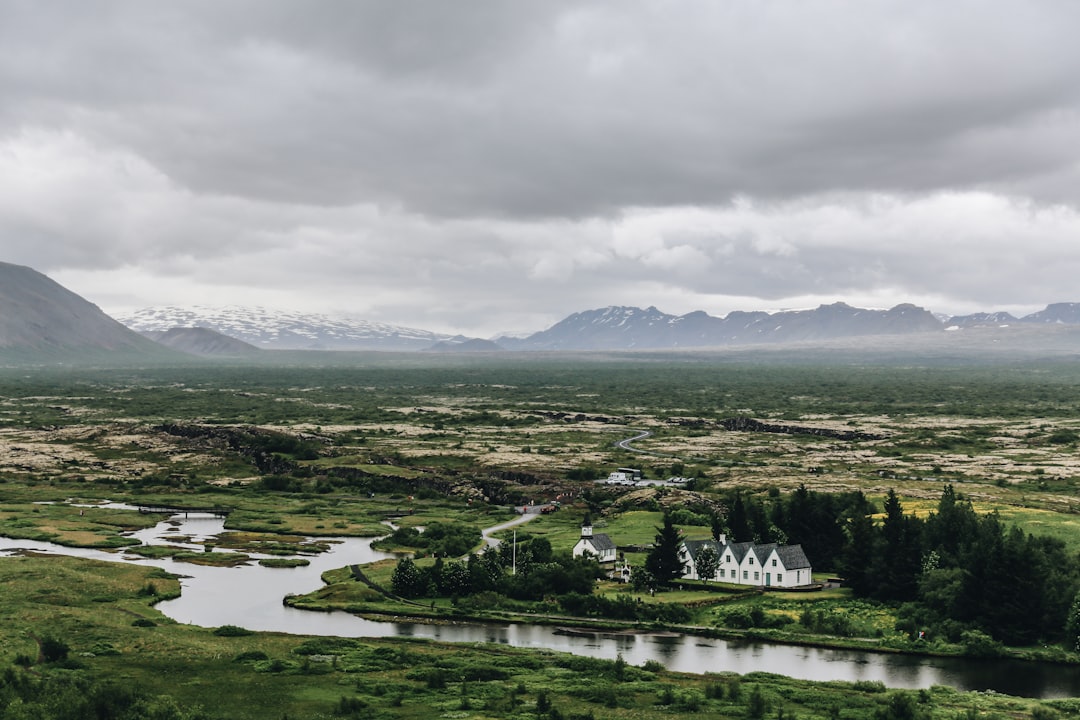
White and black house on green grass field near mountain under cloudy sky during daytime
Photo by SaiKrishna Saketh Yellapragada on Unsplash


Iceland
A very tall building with a cross on top of it
Photo by Willian Justen De Vasconcellos on Unsplash


Iceland
A close up of a rock formation with grass growing on it
Photo by Andrea De Santis on Unsplash

Iceland
Brown and red wooden house near green grasses at blue hour
Photo by Sigurdur Fjalar Jonsson on Unsplash


Iceland
A couple of wooden buildings sitting on top of a lush green hillside
Photo by Alberto Zanetti on Unsplash
Cities in Iceland
Things to Do in Iceland
Rank
1
Avg Cost
$
Avg Time
1h
Worth It?
😀
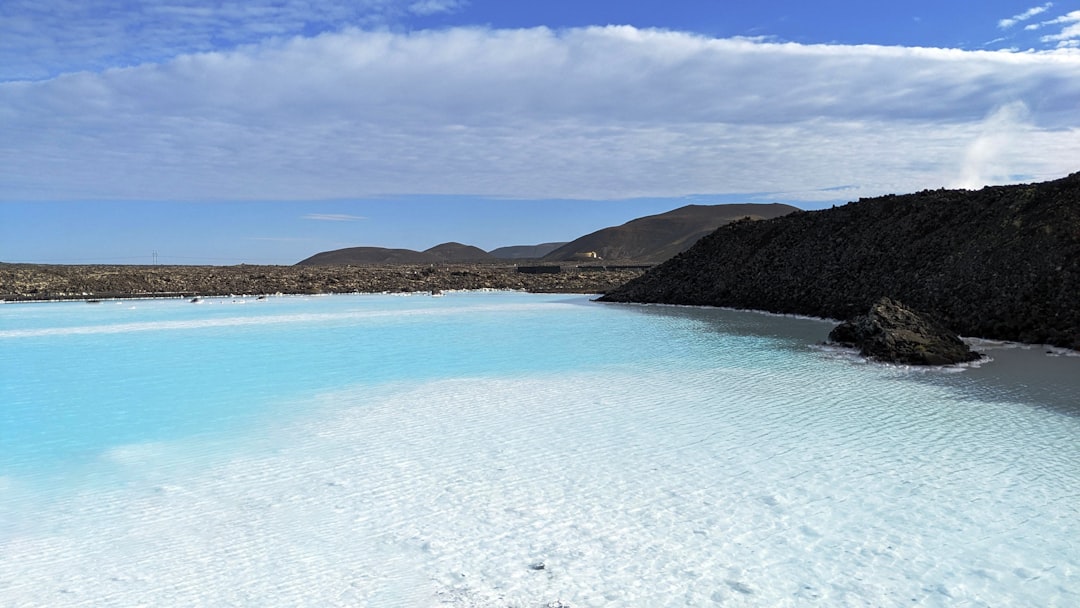
Blue Lagoon Geothermal Spa
Reykjavik, Iceland
0%
0%
🌟 Overall
💸 Cost
📡 Internet
🎉 Fun
👮♀️ Safety
Rank
2
Avg Cost
$
Avg Time
1h
Worth It?
😍
Hallgrímskirkja Church
Reykjavik, Iceland
0%
0%
🌟 Overall
💸 Cost
📡 Internet
🎉 Fun
👮♀️ Safety
Rank
3
Avg Cost
$
Avg Time
1h
Worth It?
😍
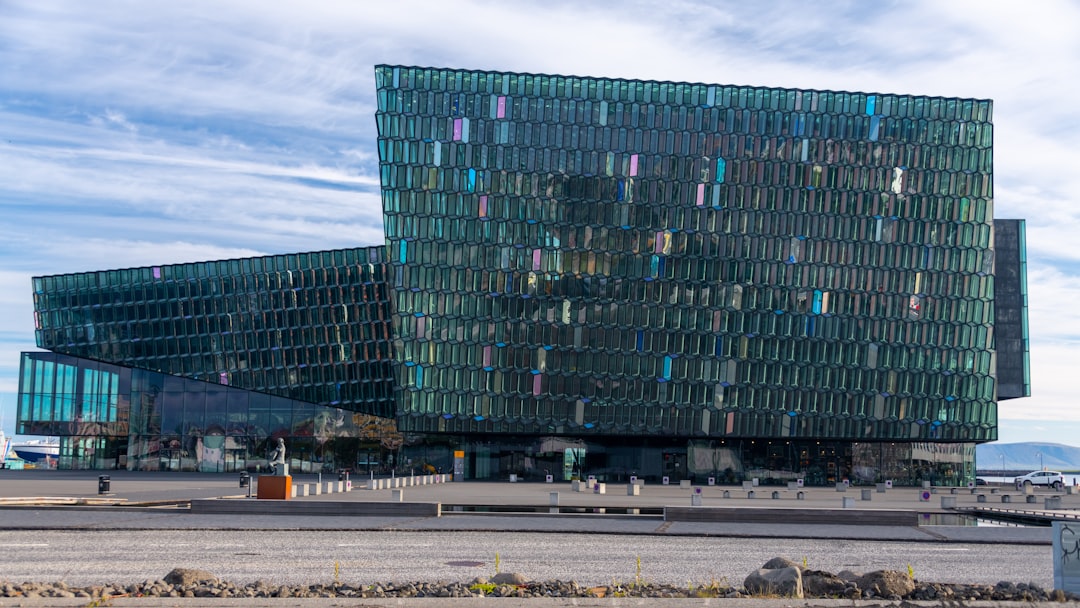
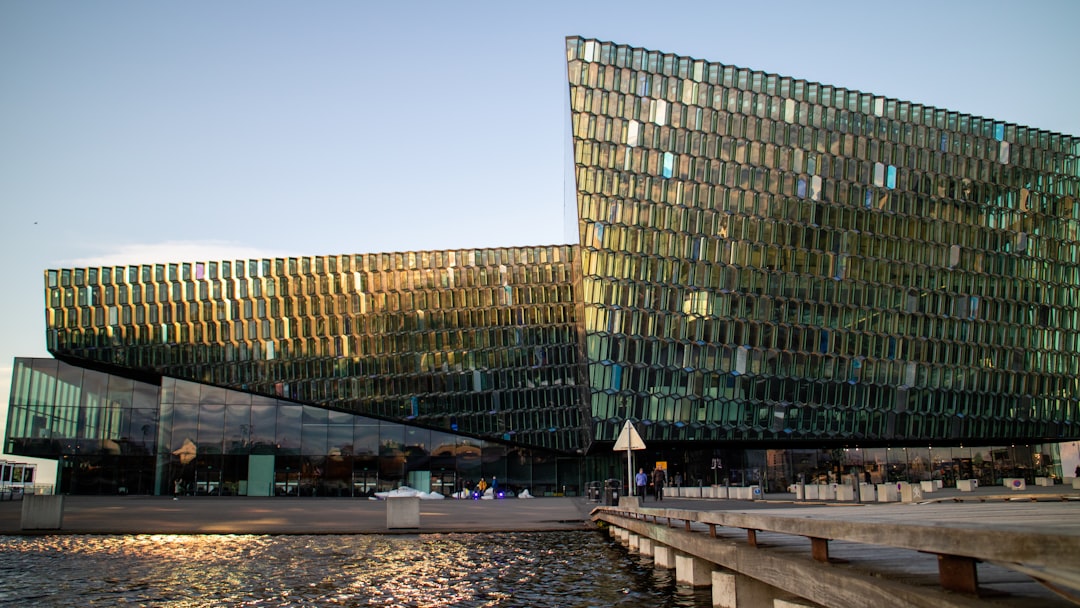
Harpa Concert Hall
Reykjavik, Iceland
0%
0%
🌟 Overall
💸 Cost
📡 Internet
🎉 Fun
👮♀️ Safety
Rank
4
Avg Cost
$
Avg Time
1h
Worth It?
😍
Kolaportið Flea Market
Reykjavik, Iceland
0%
0%
🌟 Overall
💸 Cost
📡 Internet
🎉 Fun
👮♀️ Safety
Rank
5
Avg Cost
$
Avg Time
1h
Worth It?
😀
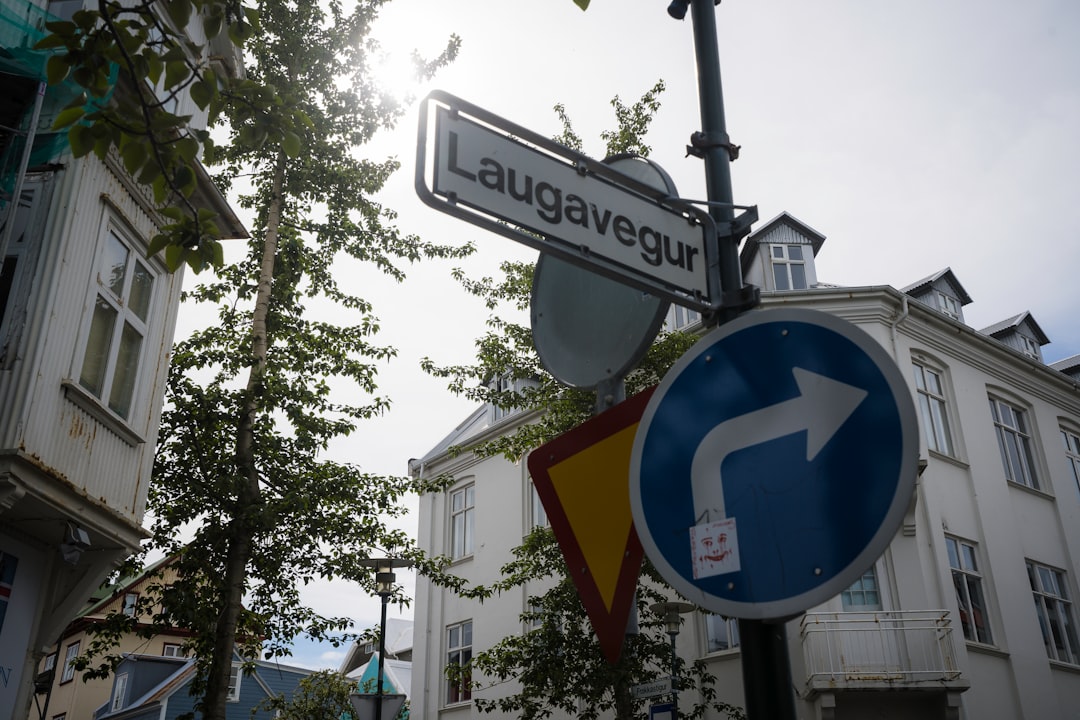
Laugavegur Street
Reykjavik, Iceland
0%
0%
🌟 Overall
💸 Cost
📡 Internet
🎉 Fun
👮♀️ Safety
Rank
6
Avg Cost
$
Avg Time
1h
Worth It?
😀
National Museum Of Iceland
Reykjavik, Iceland
0%
0%
🌟 Overall
💸 Cost
📡 Internet
🎉 Fun
👮♀️ Safety
Rank
7
Avg Cost
$
Avg Time
1h
Worth It?
😀
Perlan Museum
Reykjavik, Iceland
0%
0%
🌟 Overall
💸 Cost
📡 Internet
🎉 Fun
👮♀️ Safety
Rank
8
Avg Cost
$
Avg Time
1h
Worth It?
😀
Reykjavik Botanic Garden
Reykjavik, Iceland
0%
0%