 EuroTripr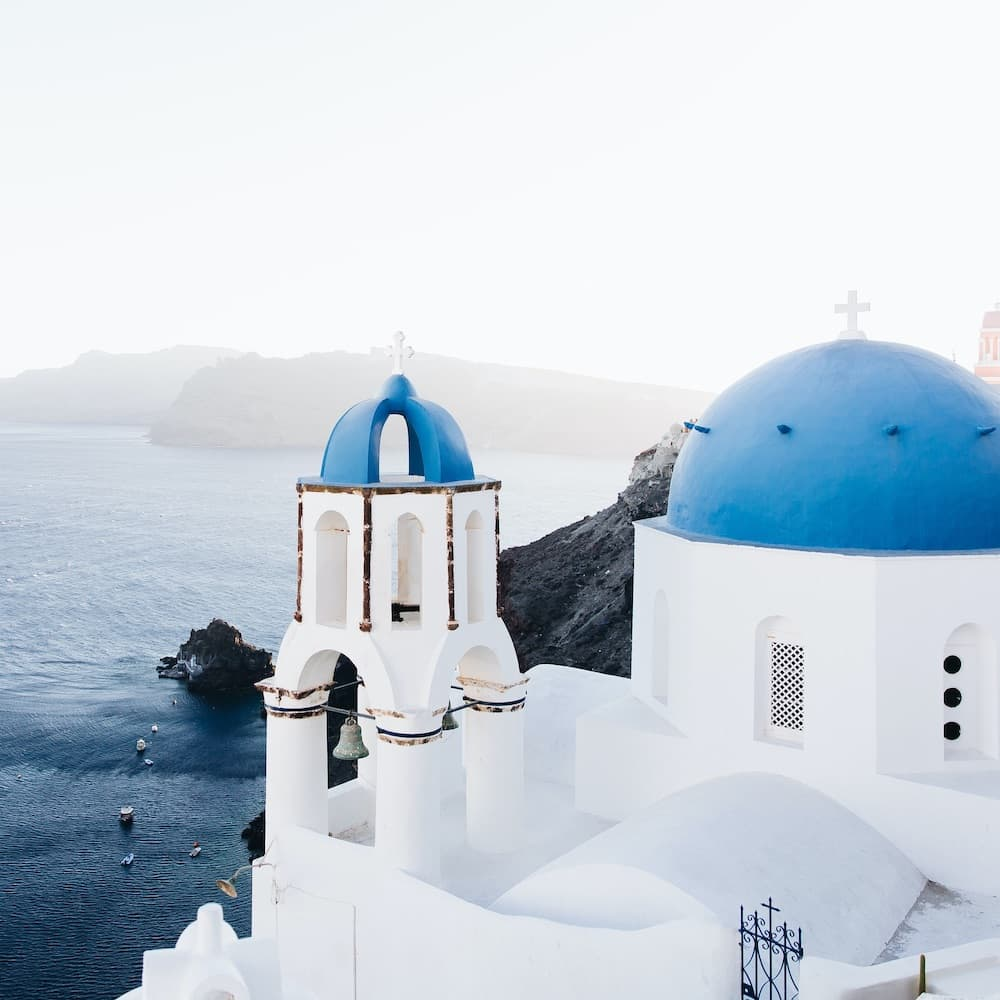
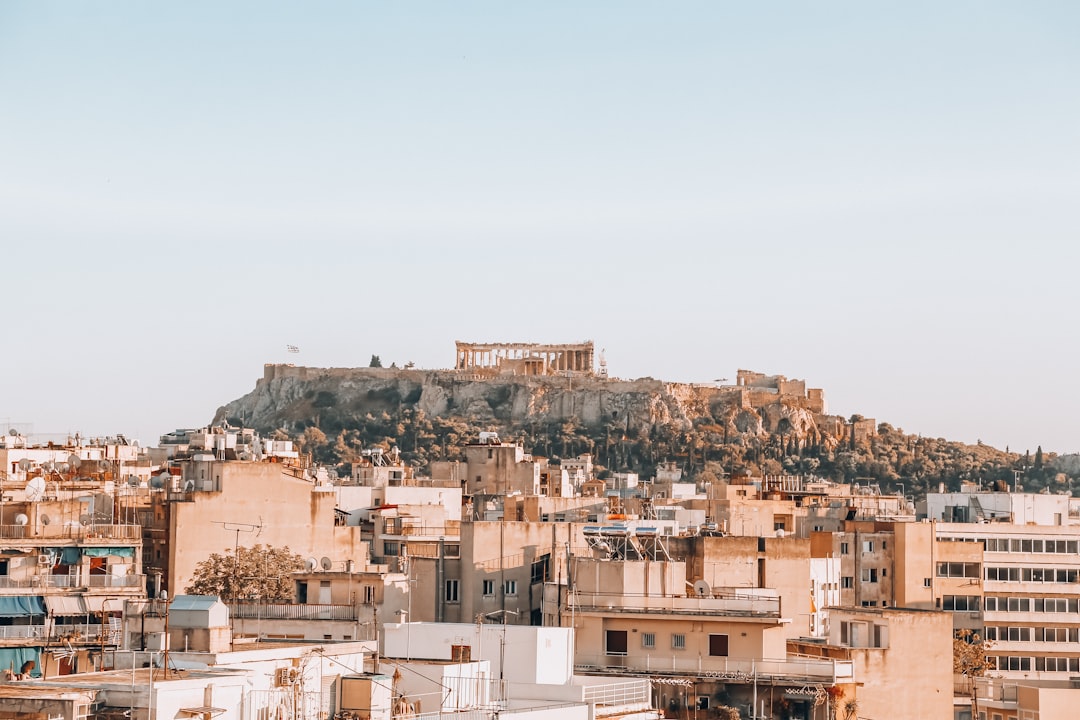
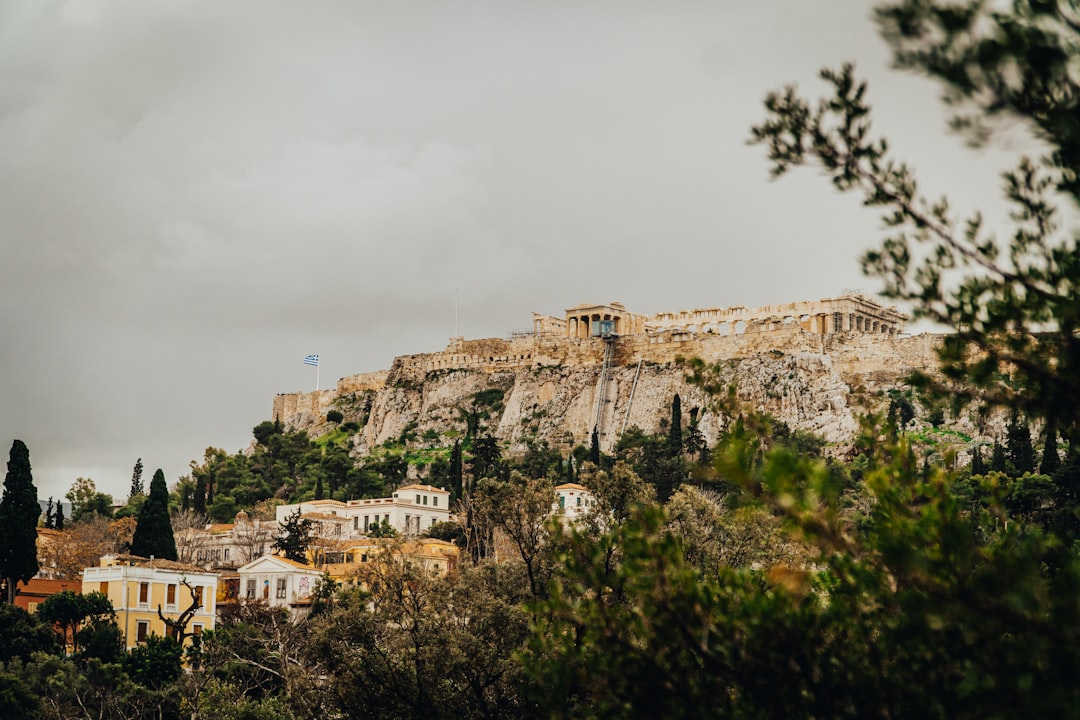
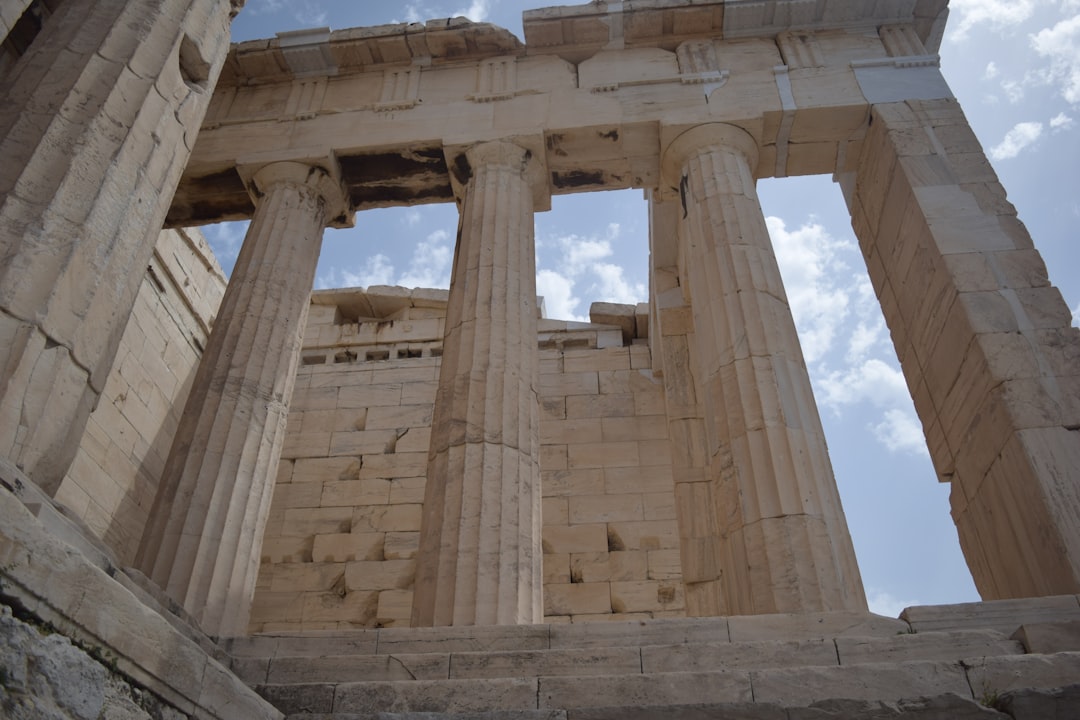
Athens is loud, crowded, and chaotic. But it also has the Acropolis sitting on a hill overlooking the city. The Parthenon is 2,500 years old and still standing. It's crowded with tourists, but it's also genuinely awe-inspiring. The Acropolis Museum (at the base of the hill) is modern, air-conditioned, and worth a few hours. The Plaka neighborhood (the old town) has narrow streets, tavernas, and shops. It's touristy but charming. Syntagma Square is the city center where you can watch the changing of the guard at the Parliament building.
Athens isn't the prettiest city. It's gritty, covered in graffiti, and the traffic is insane. But it's also affordable, full of history, and a good base before heading to the islands.
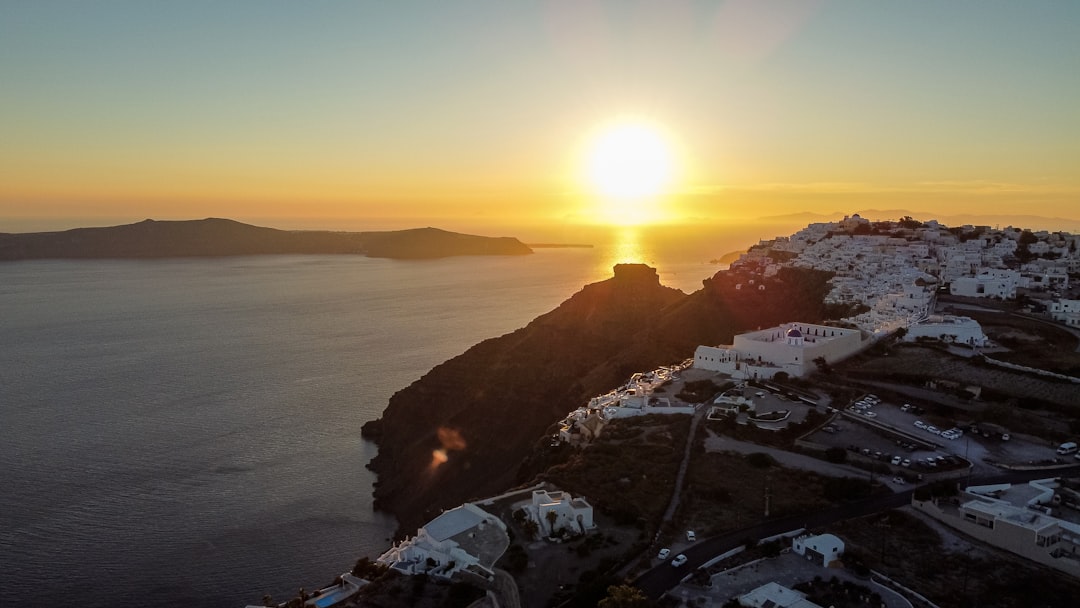
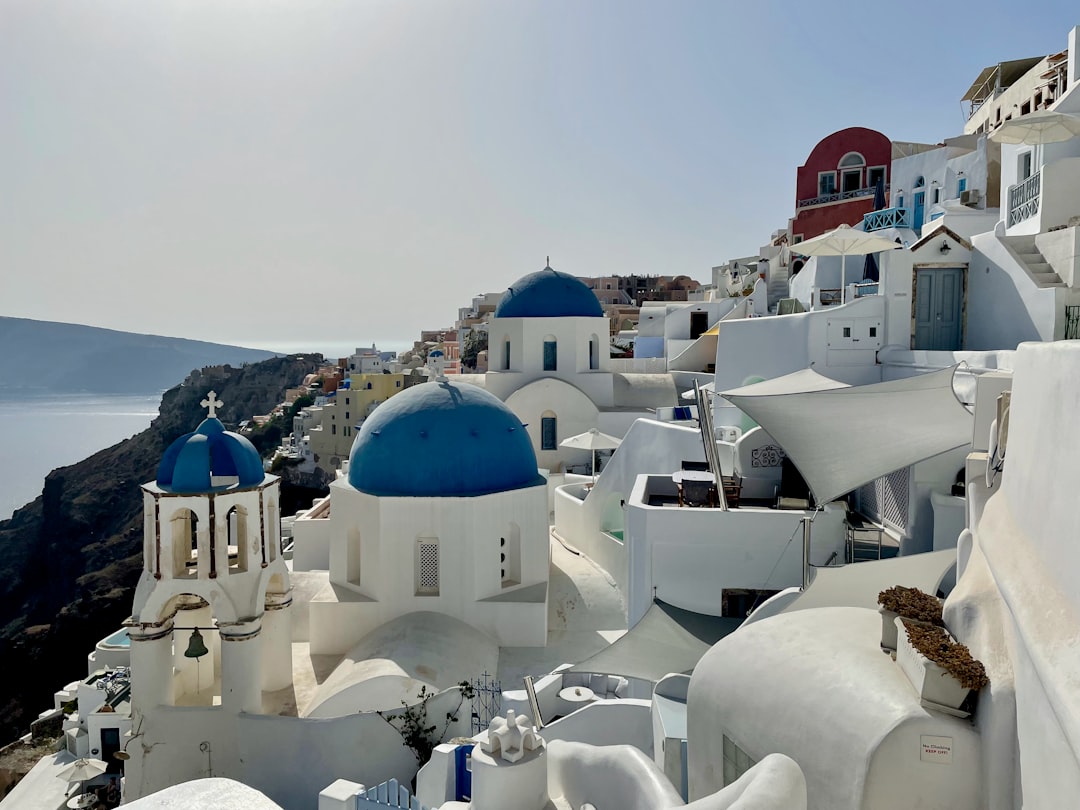
The Greek islands are why most people come. Santorini is the postcard island with white buildings, blue domes, and sunsets that everyone photographs. It's stunning, expensive, and packed with tourists in summer. Go for the views, but know that it's been completely overtaken by Instagram culture. Mykonos is party central. Beach clubs, bars, and nightlife that goes until sunrise. It's expensive and crowded but undeniably fun if that's your scene. Crete is the largest island with mountains, beaches, ancient ruins (Knossos), and hiking (Samaria Gorge). It's more affordable and less touristy than Santorini or Mykonos. Rhodes has medieval history (the Old Town is a UNESCO site), beaches, and ancient ruins. Paros and Naxos are less touristy alternatives with beautiful beaches and traditional villages.
The smaller islands (the Cyclades, the Dodecanese) are quieter, more authentic, and often cheaper. Ferries connect all the islands, but they can be slow and delayed. Budget extra time if you're island hopping.
The mainland has more than just Athens. Delphi (ancient oracle site) is a few hours from Athens and worth a day trip. Meteora in central Greece has monasteries built on top of massive rock formations. It's stunning and surreal. Thessaloniki in the north is Greece's second-largest city with Byzantine history, a lively waterfront, and great food.
The food in Greece is fresh, simple, and delicious. Greek salad (tomatoes, cucumbers, olives, feta, olive oil). Souvlaki (grilled meat on a skewer). Gyros (meat in pita with tzatziki). Moussaka (layered eggplant, meat, and béchamel sauce). Spanakopita (spinach pie). Everything is made with olive oil, fresh vegetables, and local ingredients. Meals are slow and social. Greeks don't rush through dinner.
Greeks are warm, loud, and generous. They'll invite you to sit, share food, and tell stories. English is widely spoken in tourist areas, less so in smaller villages. Greeks are proud of their history and their country, and they'll happily tell you about both.
Getting around is straightforward. Ferries connect the islands (book in advance in summer). Buses connect cities on the mainland. Trains are limited and slow. If you want to explore the mainland or Crete, rent a car. Driving in Athens is chaos, but the countryside is manageable.
Greece is affordable compared to Western Europe. Hostels run $15-25/night. A meal at a taverna is $8-15. A gyro from a street vendor is $3-5. The islands (especially Santorini and Mykonos) are more expensive, but the mainland and less touristy islands are budget-friendly.
When to go: Spring (April-May) and fall (September-October) are perfect. The weather is warm, the water is still swimmable, and the crowds are smaller. Summer (June-August) is hot (35°C+/95°F+), crowded, and expensive, especially on the islands. Winter (November-March) is quiet, many islands shut down, but Athens and the mainland are still accessible.
Greece is history, beaches, food, and a slower pace of life. It's affordable, beautiful, and easy to fall in love with.
Greece Travel Guide
Greece has ancient history, island beaches, Mediterranean food, and a laid-back vibe that makes you want to slow down. Athens is chaotic but has the Acropolis and world-class museums. The islands (Santorini, Mykonos, Crete, Rhodes) are stunning with white buildings, blue domes, and crystal-clear water. The food is fresh and simple (Greek salad, souvlaki, tzatziki, moussaka). Greeks are warm and generous. It's affordable compared to Western Europe. The summer is hot and crowded. Shoulder season (spring and fall) is perfect. If you want history, beaches, and good food without breaking the bank, Greece delivers.
Overview
Greece Costs
See something wrong or missing? Help update ✏️ costs for Greece.
💰 Cost Per Day
No data yet — be the first! ✏️
🎒💵 Cost Per Day - Backpacker
No data yet — be the first! ✏️
👨👩👧👦💵 Cost Per Day - Family
No data yet — be the first! ✏️
💰🤑 Cost Per Day - Luxury
No data yet — be the first! ✏️
🛌 Sleeping
No data yet — be the first! ✏️
🏕️ Camping (per Day)
No data yet — be the first! ✏️
🏕️ Camping (per Week)
No data yet — be the first! ✏️
🏕️ Camping (per Month)
No data yet — be the first! ✏️
🍝 Food
No data yet — be the first! ✏️
🍳 Breakfast (for 1)
No data yet — be the first! ✏️
👨👩👧👦🍳 Breakfast (family)
No data yet — be the first! ✏️
🍔 Lunch (for 1)
No data yet — be the first! ✏️
👨👩👧👦🍔 Lunch (family)
No data yet — be the first! ✏️
🍽 Dinner (for 1)
No data yet — be the first! ✏️
👨👩👧👦🍽 Dinner (family)
No data yet — be the first! ✏️
☕️ Coffee
No data yet — be the first! ✏️
🥤 Coca Cola (0.3L)
No data yet — be the first! ✏️
🥪 Sandwich
No data yet — be the first! ✏️
🥖 Bread
No data yet — be the first! ✏️
🍿 Snacks
No data yet — be the first! ✏️
🍺 Beer (0.5L)
No data yet — be the first! ✏️
🍷 Wine (glass)
No data yet — be the first! ✏️
🍾 Wine (bottle)
No data yet — be the first! ✏️
💧 Water (bottle)
No data yet — be the first! ✏️
🍕 Street Food (for 1)
No data yet — be the first! ✏️
🚙 Transportation
No data yet — be the first! ✏️
🚙 Car Rental (per Day)
No data yet — be the first! ✏️
🚙 Car Rental (per Week)
No data yet — be the first! ✏️
🚙 Car Rental (per Month)
No data yet — be the first! ✏️
🚂🎟️ Train Ticket (single)
No data yet — be the first! ✏️
🚌🎟️ City-to-City Bus Ticket (single)
No data yet — be the first! ✏️
⛽️ Gas/Fuel
No data yet — be the first! ✏️
🚧 Tolls
No data yet — be the first! ✏️
🚊🎟️ City Transit Pass
No data yet — be the first! ✏️
🛬🚌 Airport Transfer
No data yet — be the first! ✏️
📸 Sightseeing
No data yet — be the first! ✏️
🎟 Museum Entry
No data yet — be the first! ✏️
🏰 Attraction Entry
No data yet — be the first! ✏️
🚶♂️ Guided Tours
No data yet — be the first! ✏️
💶 Other
No data yet — be the first! ✏️
👨💻 Co-working
No data yet — be the first! ✏️
🧼 Laundry
No data yet — be the first! ✏️
💁♂️💶 Tipping
No data yet — be the first! ✏️
📲 Mobile Data (~10GB)
No data yet — be the first! ✏️
🛰️ Luggage Storage / Locker (daily)
No data yet — be the first! ✏️
Greece Scores
See something wrong or missing? Help update ✏️ scores for Greece.
🤩 Overall Score
No data yet — be the first! 🗳️
💵 Cost
No data yet — be the first! 🗳️
💵 Income Level
No data yet — be the first! 🗳️
🌡 Temperature (Now)
No data yet — be the first! 🗳️
🌡 Temperature (Average)
No data yet — be the first! 🗳️
🌦 Weather
No data yet — be the first! 🗳️
💧 Humidity (Now)
No data yet — be the first! 🗳️
💧 Humidity (Average)
No data yet — be the first! 🗳️
☔️ Rain (Annual)
No data yet — be the first! 🗳️
☀️ Sunshine (Hours Per Day)
No data yet — be the first! 🗳️
💨 Wind
No data yet — be the first! 🗳️
🦹♂️ Safety
No data yet — be the first! 🗳️
🚙 Traffic Safety
No data yet — be the first! 🗳️
👩🏻 Female Friendly
No data yet — be the first! 🗳️
✌️ Peace (No Wars / Political Conflict)
No data yet — be the first! 🗳️
🎉 Fun
No data yet — be the first! 🗳️
💃 Nightlife
No data yet — be the first! 🗳️
😘 For Singles
No data yet — be the first! 🗳️
👩❤️👨 For Couples
No data yet — be the first! 🗳️
👨👩👧👦 Family Score
No data yet — be the first! 🗳️
🚶♂️ Walkability
No data yet — be the first! 🗳️
🚶♂️ Easy To Get Around
No data yet — be the first! 🗳️
👨🦽 Accessibility
No data yet — be the first! 🗳️
📡 Internet
No data yet — be the first! 🗳️
📡 Free Wifi
No data yet — be the first! 🗳️
👨💻 Co-working Places
No data yet — be the first! 🗳️
❄️ A/C
No data yet — be the first! 🗳️
🏥 Hospitals
No data yet — be the first! 🗳️
😃 Happiness
No data yet — be the first! 🗳️
🤝 Friendliness
No data yet — be the first! 🗳️
🤗 Hospitality
No data yet — be the first! 🗳️
🇬🇧 English Speaking
No data yet — be the first! 🗳️
👱♂️👨🏾 Racial Tolerance
No data yet — be the first! 🗳️
🏳️🌈 LGBTQ+ Friendly
No data yet — be the first! 🗳️
🎓 Education Level
No data yet — be the first! 🗳️
🧹 Clean
No data yet — be the first! 🗳️
👍 Rated By Members
No data yet — be the first! 🗳️
👍 Liked By Eurotriprs
No data yet — be the first! 🗳️
Average monthly weather for Greece
| Monthly Averages | Jan | Feb | Mar | Apr | May | Jun | Jul | Aug | Sep | Oct | Nov | Dec |
|---|---|---|---|---|---|---|---|---|---|---|---|---|
| Weather | ❄️ Snowy | ❄️ Snowy | 🌦️ Sun & Rain | 🌦️ Sun & Rain | 🌦️ Sun & Rain | 🌦️ Sun & Rain | ☀️ Sunny | ⛅ Partly cloudy | ⛅ Partly cloudy | ⛅ Partly cloudy | 🌦️ Sun & Rain | 🌦️ Sun & Rain |
| Avg. Temp. | 37° F ⛄️ Cold | 40° F ⛄️ Cold | 43° F ⛄️ Cold | 51° F 😰 Cool | 58° F 😰 Cool | 67° F 👌 Nice | 73° F 😍 Perfect | 72° F 😍 Perfect | 64° F 👌 Nice | 56° F 😰 Cool | 48° F 😰 Cool | 41° F ⛄️ Cold |
| Feels Like | 31° F 🥶 Freezing | 35° F ⛄️ Cold | 38° F ⛄️ Cold | 47° F 😰 Cool | 56° F 😰 Cool | 68° F 👌 Nice | 74° F 😍 Perfect | 72° F 😍 Perfect | 63° F 👌 Nice | 53° F 😰 Cool | 44° F ⛄️ Cold | 36° F ⛄️ Cold |
| High Temp. | 43° F | 47° F | 51° F | 59° F | 66° F | 76° F | 82° F | 81° F | 72° F | 63° F | 55° F | 47° F |
| Low Temp. | 32° F | 34° F | 36° F | 43° F | 50° F | 59° F | 64° F | 64° F | 57° F | 49° F | 43° F | 36° F |
| Sunrise | 05:47 am | 05:23 am | 04:41 am | 03:54 am | 03:19 am | 03:06 am | 03:20 am | 03:46 am | 04:14 am | 04:43 am | 05:15 am | 05:43 am |
| Sunset | 03:34 pm (15:34) | 04:08 pm (16:08) | 04:39 pm (16:39) | 05:09 pm (17:09) | 05:38 pm (17:38) | 05:58 pm (17:58) | 05:55 pm (17:55) | 05:25 pm (17:25) | 04:40 pm (16:40) | 03:53 pm (15:53) | 03:18 pm (15:18) | 03:12 pm (15:12) |
| Sunlight | ☀️ 6h | ☀️ 7h | ☀️ 9h | ☀️ 10h | ☀️ 11h | ☀️ 13h | ☀️ 14h | ☀️ 13h | ☀️ 10h | ☀️ 9h | ☀️ 6h | ☀️ 6h |
| Sunny Days | 19 | 19 | 24 | 26 | 29 | 30 | 31 | 31 | 27 | 26 | 19 | 19 |
| Clouds | 69% | 68% | 64% | 58% | 56% | 39% | 18% | 20% | 38% | 52% | 73% | 68% |
| Humidity | 💦 85% | 💦 83% | 💦 79% | 😥 75% | 😥 74% | 😥 69% | 😥 59% | 😥 60% | 😥 71% | 💦 79% | 💦 87% | 💦 86% |
| Rain | 3 in. (10 Days) | 3 in. (9 Days) | 3 in. (11 Days) | 3 in. (12 Days) | 4 in. (14 Days) | 3 in. (13 Days) | 2 in. (6 Days) | 2 in. (8 Days) | 5 in. (8 Days) | 3 in. (10 Days) | 5 in. (14 Days) | 4 in. (11 Days) |
| Snow | 21 in. (7 Days) | 14 in. (5 Days) | 9 in. (4 Days) | 3 in. (2 Days) | 0 in. (0 Days) | 0 in. (0 Days) | 0 in. (0 Days) | 0 in. (0 Days) | 0 in. (0 Days) | 0 in. (0 Days) | 3 in. (1 Days) | 6 in. (3 Days) |
| Wind | 6.3 mph | 6.21 mph | 6.07 mph | 5.67 mph | 5.33 mph | 4.42 mph | 4.61 mph | 4.99 mph | 5.03 mph | 4.88 mph | 5.76 mph | 5.73 mph |
| Last updated on: Apr 2026 | Source: Open Meteo | |||||||||||
⚠️ Weather and climate is for monthly averages for Greece. Current weather and temperatures might be different on any given day. This table is for planning purposes. Please check current weather forecasts before your trip.


Greece
A serene square with fountains and classical architecture.
Photo by Jeffrey Zhang on Unsplash

Greece
Panoramic view of a sprawling city with a distant hill.
Photo by Carnet De Voyage D'Alex on Unsplash


Greece
Cityscape with a prominent hill and ancient ruins in foreground
Photo by Makis Hristaras on Unsplash


Cities in Greece
Rank
1
Daily Cost
$65
Weather Now
☀️ 63°
Liked?
😀
Athens
Greece
0%
0%
🌟 Overall
💸 Cost
📡 Internet
🎉 Fun
👮♀️ Safety
Rank
2
Daily Cost
$55
Weather Now
☀️ 62°
Liked?
😍
Nafplio
Greece
0%
0%
🌟 Overall
💸 Cost
📡 Internet
🎉 Fun
👮♀️ Safety
Rank
3
Daily Cost
$90
Weather Now
☀️ 64°
Liked?
😍
Santorini
Greece
0%
0%
🌟 Overall
💸 Cost
📡 Internet
🎉 Fun
👮♀️ Safety
Things to Do in Greece
Rank
1
Avg Cost
$
Avg Time
1h
Worth It?
😍
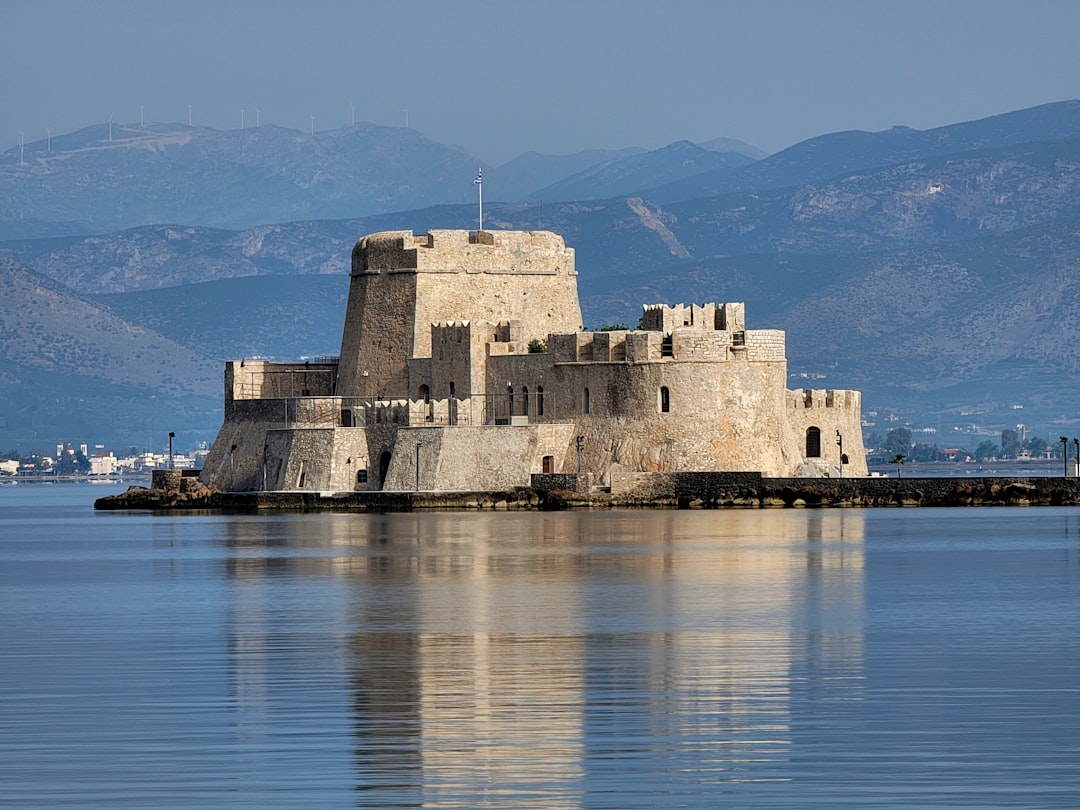
Acronauplia Castle
Nafplio, Greece
0%
0%
🌟 Overall
💸 Cost
📡 Internet
🎉 Fun
👮♀️ Safety
Rank
2
Avg Cost
$
Avg Time
1h
Worth It?
😀
Acropolis Museum
Athens, Greece
0%
0%
🌟 Overall
💸 Cost
📡 Internet
🎉 Fun
👮♀️ Safety
Rank
3
Avg Cost
$
Avg Time
1h
Worth It?
😀
Acropolis Of Athens
Athens, Greece
0%
0%
🌟 Overall
💸 Cost
📡 Internet
🎉 Fun
👮♀️ Safety

Rank
4
Avg Cost
$
Avg Time
1h
Worth It?
😀
Anafiotika Village
Athens, Greece
0%
0%
🌟 Overall
💸 Cost
📡 Internet
🎉 Fun
👮♀️ Safety
Rank
5
Avg Cost
$
Avg Time
1h
Worth It?
😍
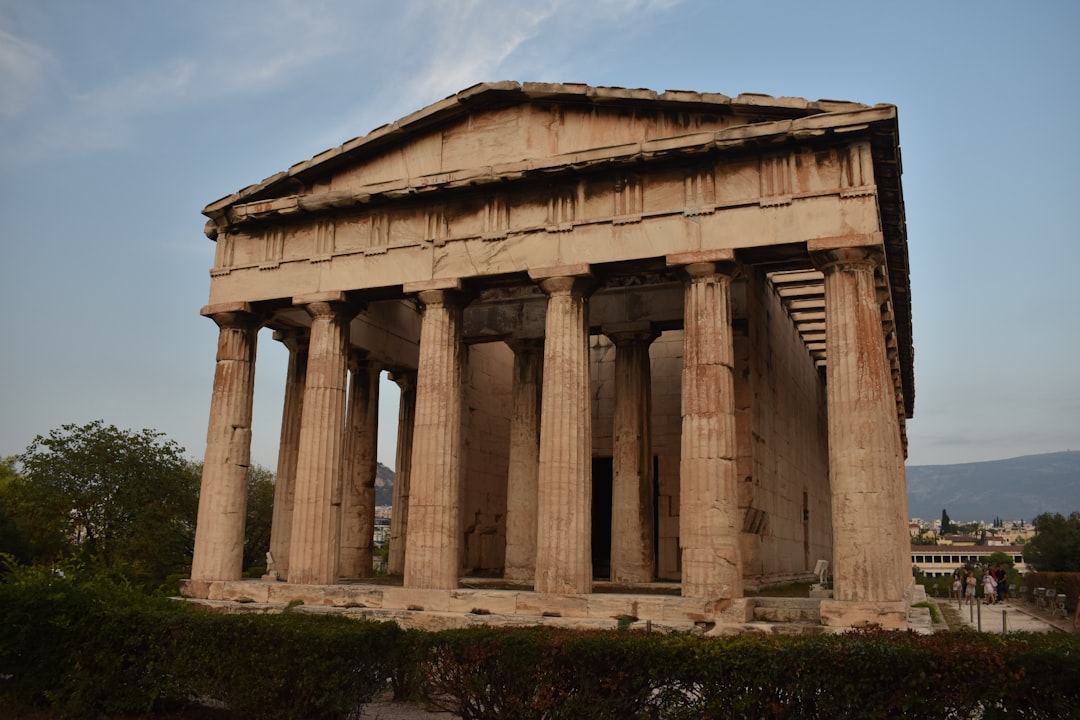
Ancient Agora Of Athens
Athens, Greece
0%
0%
🌟 Overall
💸 Cost
📡 Internet
🎉 Fun
👮♀️ Safety
Rank
6
Avg Cost
$
Avg Time
1h
Worth It?
😍
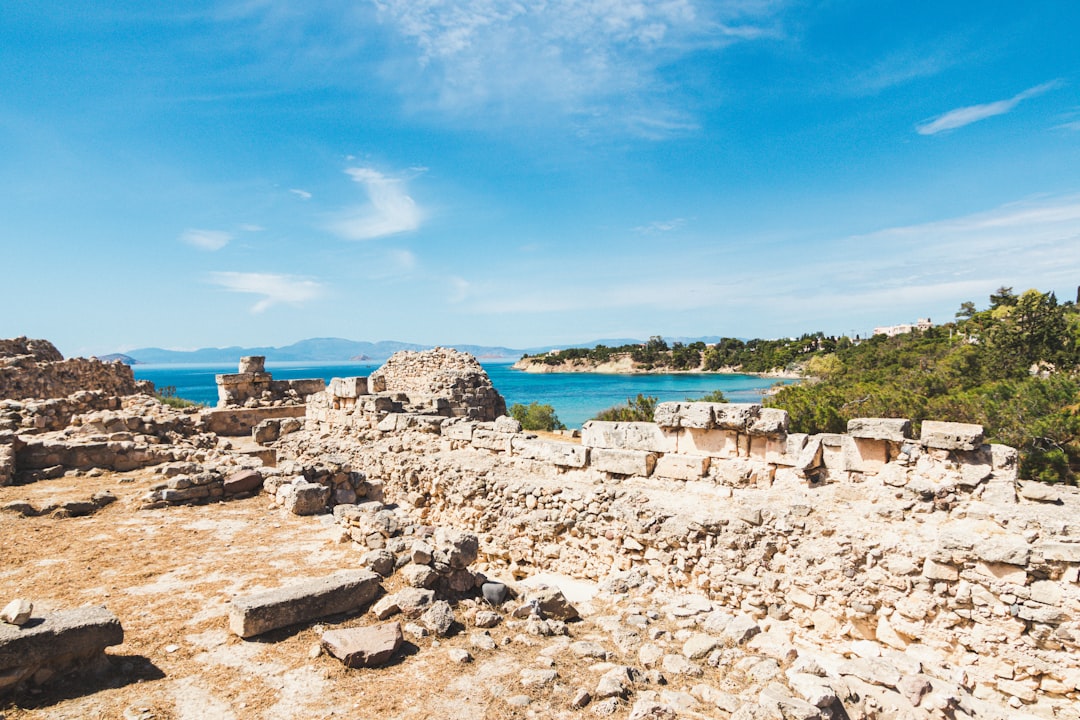
Ancient Akrotiri
Santorini, Greece
0%
0%
🌟 Overall
💸 Cost
📡 Internet
🎉 Fun
👮♀️ Safety
Rank
7
Avg Cost
$
Avg Time
1h
Worth It?
😍
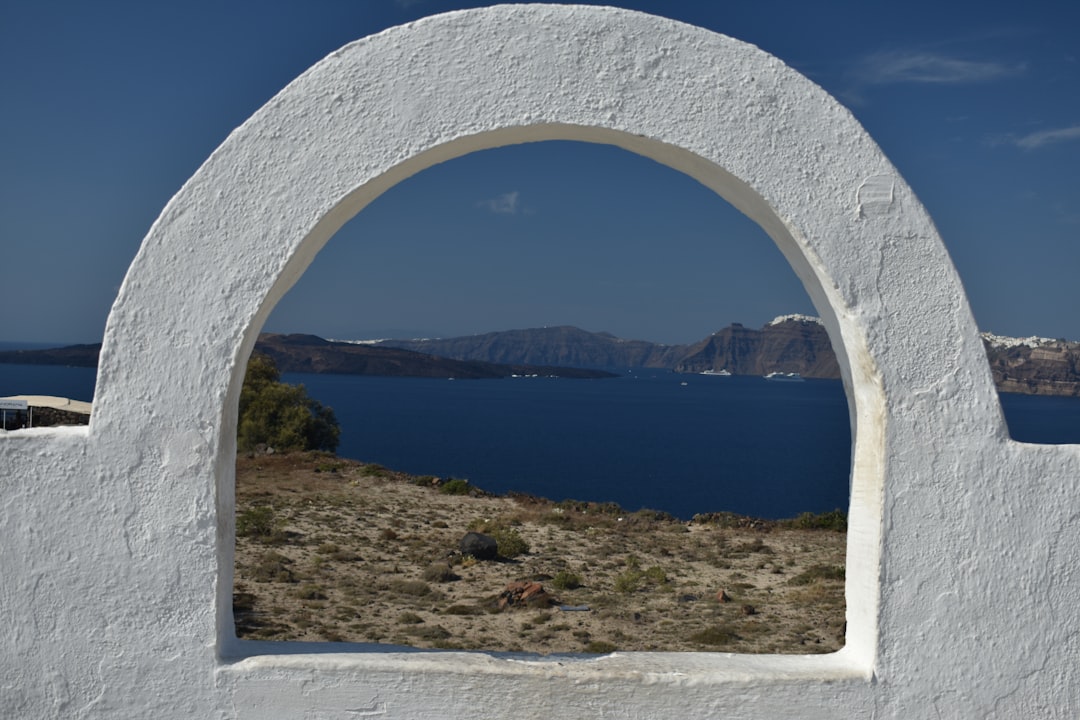
Ancient Thera
Santorini, Greece
0%
0%
🌟 Overall
💸 Cost
📡 Internet
🎉 Fun
👮♀️ Safety
Rank
8
Avg Cost
$
Avg Time
1h
Worth It?
😍
Arvanitia Beach And Promenade
Nafplio, Greece
0%
0%
🌟 Overall
💸 Cost
📡 Internet
🎉 Fun
👮♀️ Safety
Rank
9
Avg Cost
$
Avg Time
1h
Worth It?
😍
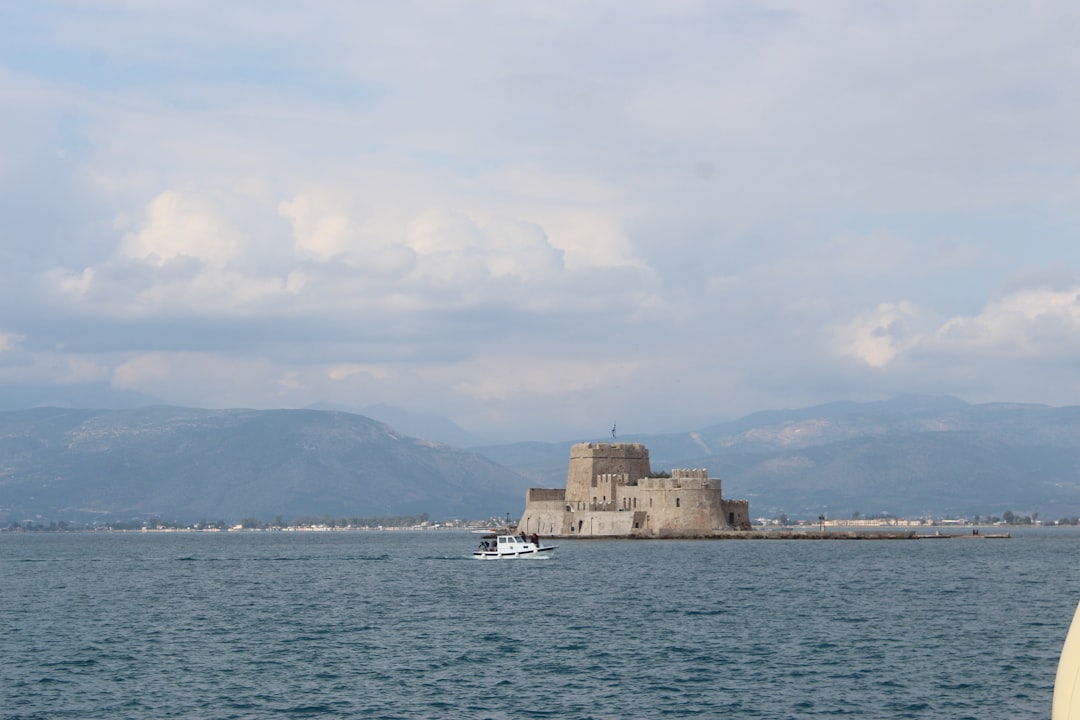
Bourtzi Castle
Nafplio, Greece
0%
0%
🌟 Overall
💸 Cost
📡 Internet
🎉 Fun
👮♀️ Safety
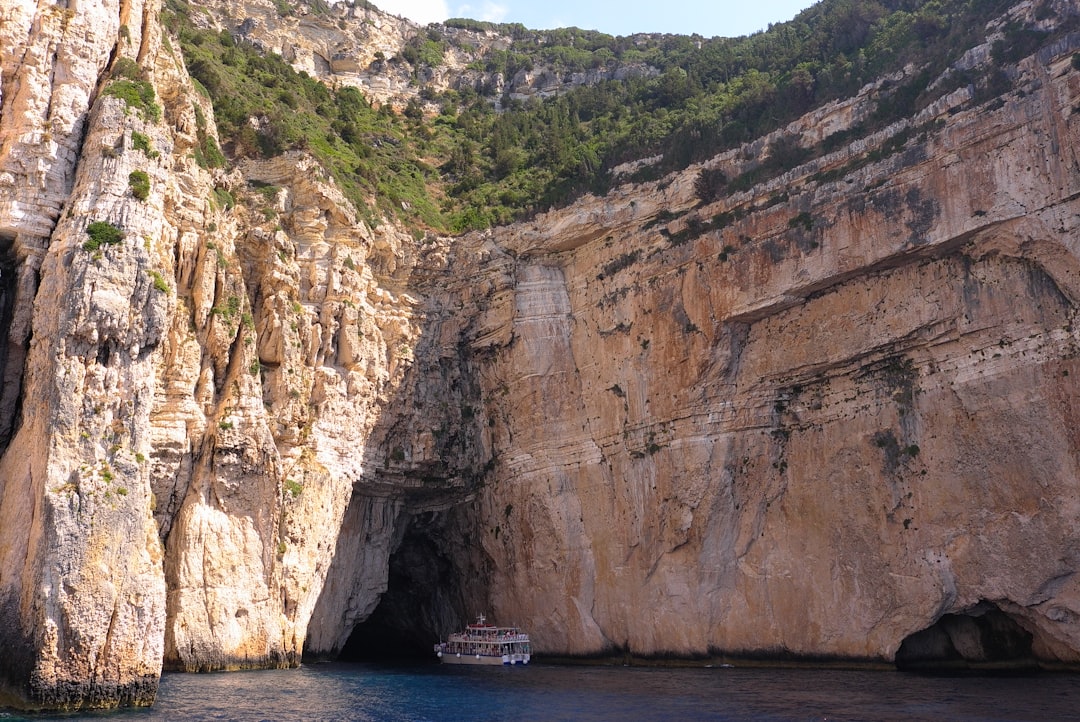
Rank
10
Avg Cost
$
Avg Time
1h
Worth It?
🤩
Caldera Boat Tour
Santorini, Greece
0%
0%
🌟 Overall
💸 Cost
📡 Internet
🎉 Fun
👮♀️ Safety
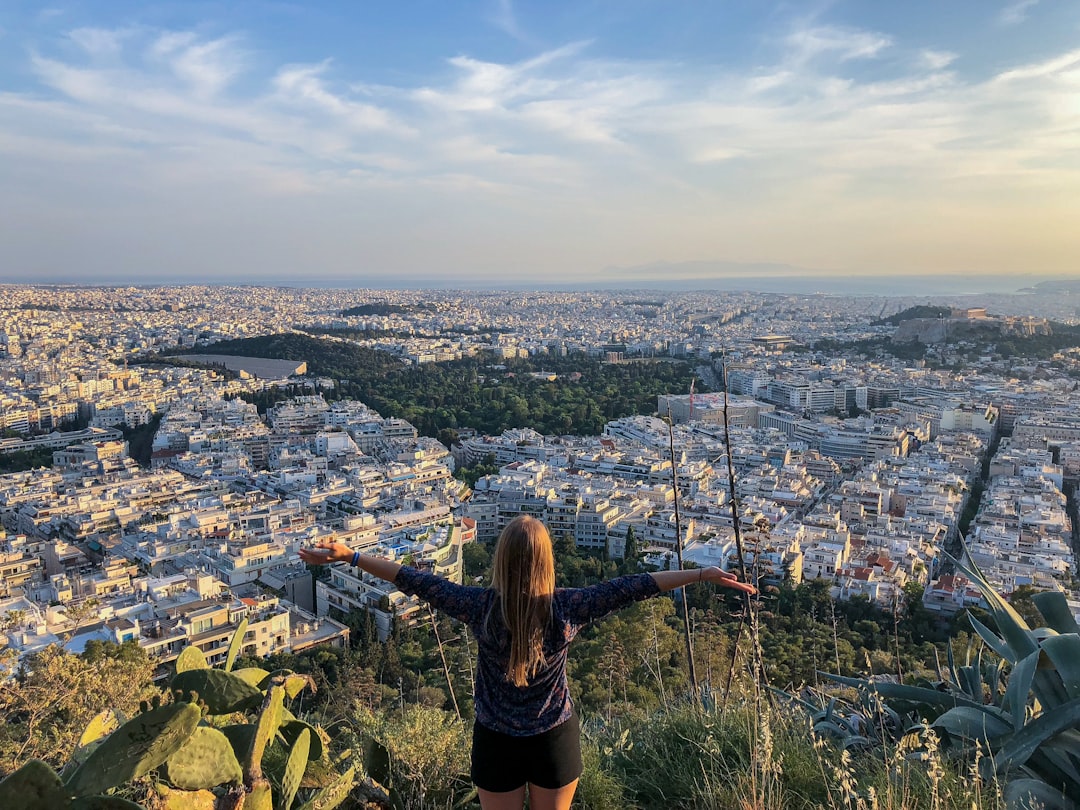
Rank
11
Avg Cost
$
Avg Time
1h
Worth It?
😀
Lycabettus Hill
Athens, Greece
0%
0%
🌟 Overall
💸 Cost
📡 Internet
🎉 Fun
👮♀️ Safety
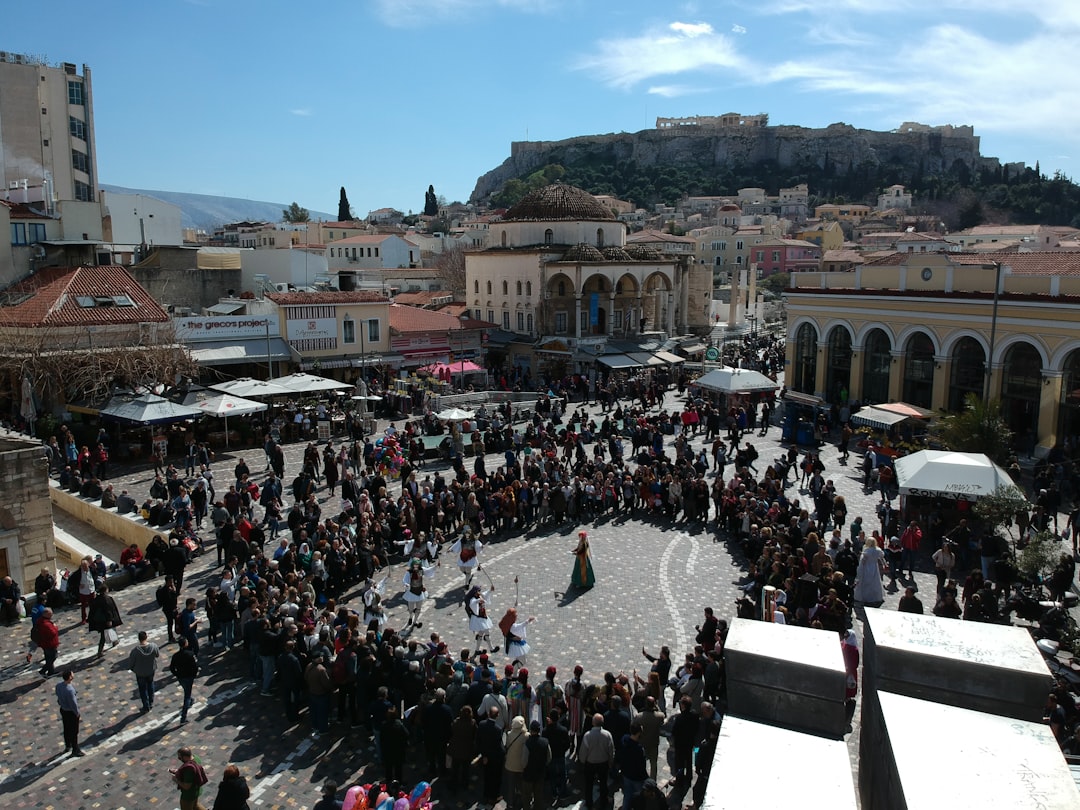
Rank
12
Avg Cost
$
Avg Time
1h
Worth It?
😀
Monastiraki Flea Market
Athens, Greece
0%
0%
🌟 Overall
💸 Cost
📡 Internet
🎉 Fun
👮♀️ Safety
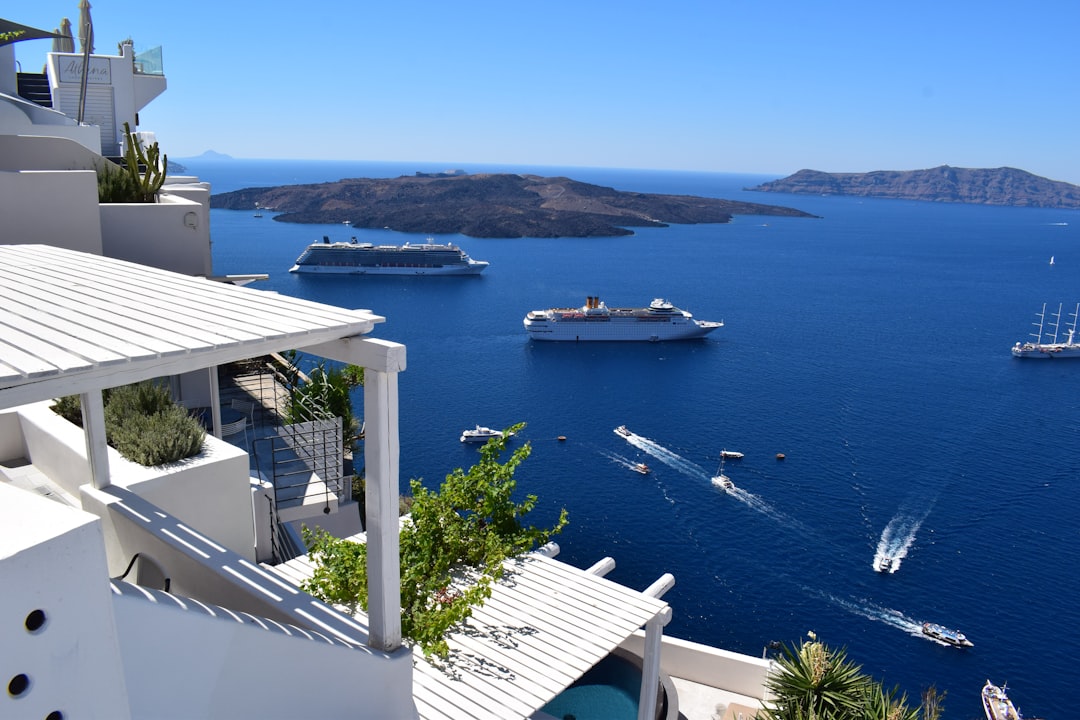
Rank
13
Avg Cost
$
Avg Time
1h
Worth It?
😀
Museum Of Prehistoric Thera
Santorini, Greece
0%
0%
🌟 Overall
💸 Cost
📡 Internet
🎉 Fun
👮♀️ Safety
Rank
14
Avg Cost
$
Avg Time
1h
Worth It?
😀
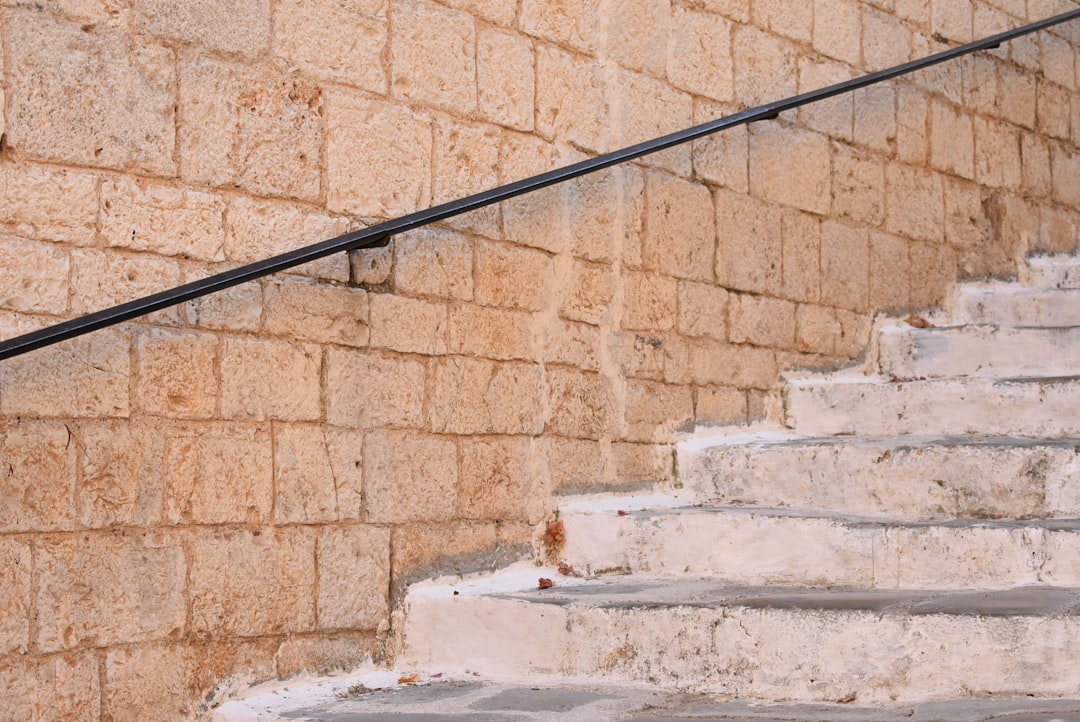
Nafplio Old Town
Nafplio, Greece
0%
0%
🌟 Overall
💸 Cost
📡 Internet
🎉 Fun
👮♀️ Safety
Rank
15
Avg Cost
$
Avg Time
1h
Worth It?
😍
National Archaeological Museum
Athens, Greece
0%
0%
🌟 Overall
💸 Cost
📡 Internet
🎉 Fun
👮♀️ Safety
Rank
16
Avg Cost
$
Avg Time
1h
Worth It?
😀
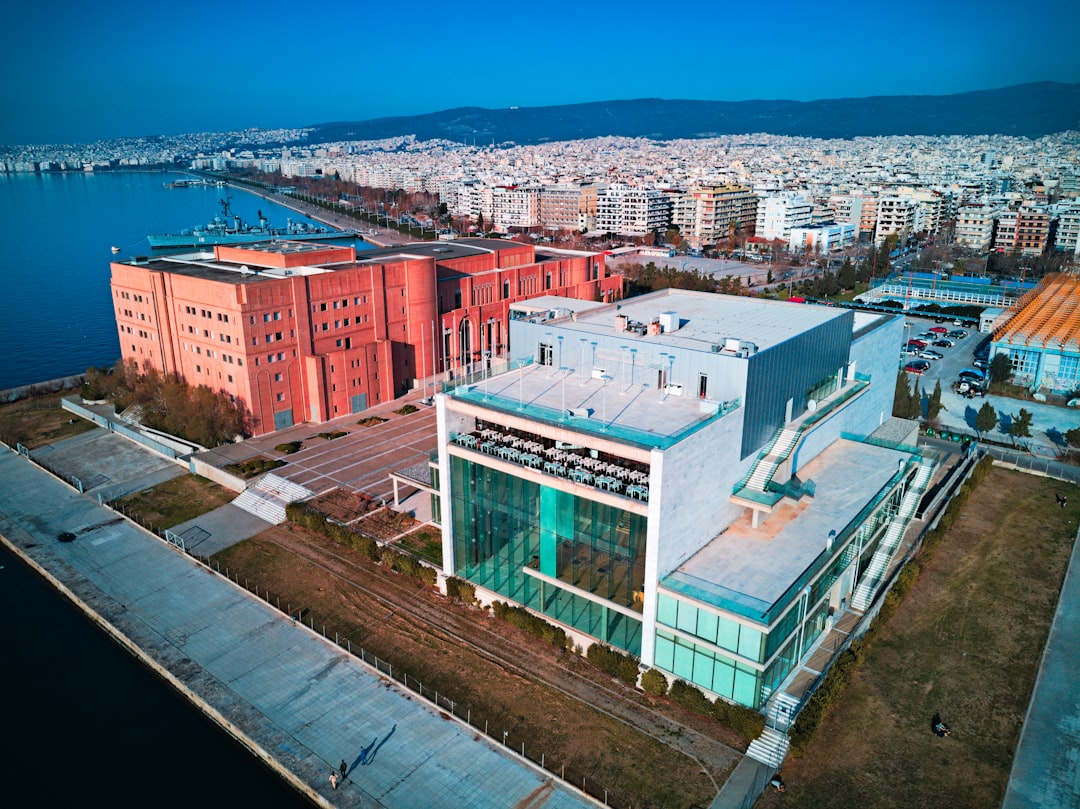
National Museum Of Contemporary Art Nafplio
Nafplio, Greece
0%
0%
🌟 Overall
💸 Cost
📡 Internet
🎉 Fun
👮♀️ Safety
Rank
17
Avg Cost
$
Avg Time
1h
Worth It?
😀
Oia Village
Santorini, Greece
0%
0%
🌟 Overall
💸 Cost
📡 Internet
🎉 Fun
👮♀️ Safety
Rank
18
Avg Cost
$
Avg Time
1h
Worth It?
😀
Palamidi Fortress
Nafplio, Greece
0%
0%
🌟 Overall
💸 Cost
📡 Internet
🎉 Fun
👮♀️ Safety
Rank
19
Avg Cost
$
Avg Time
1h
Worth It?
😍
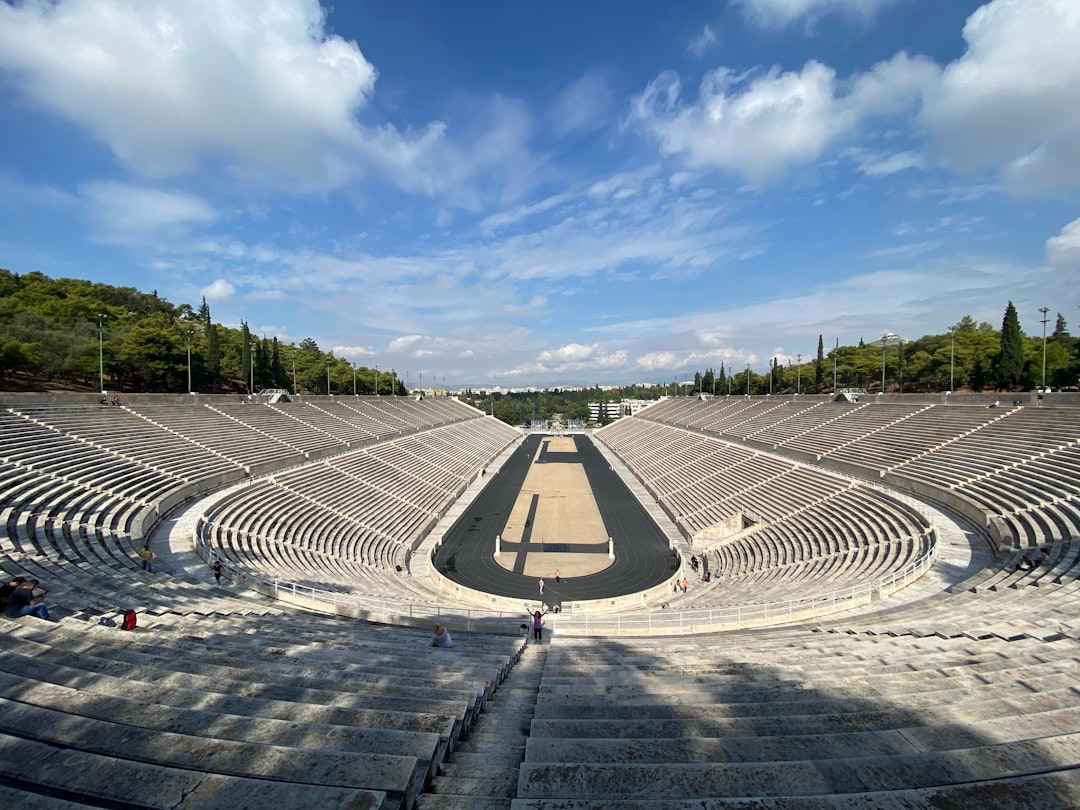
Panathenaic Stadium
Athens, Greece
0%
0%
🌟 Overall
💸 Cost
📡 Internet
🎉 Fun
👮♀️ Safety
Rank
20
Avg Cost
$
Avg Time
1h
Worth It?
😀
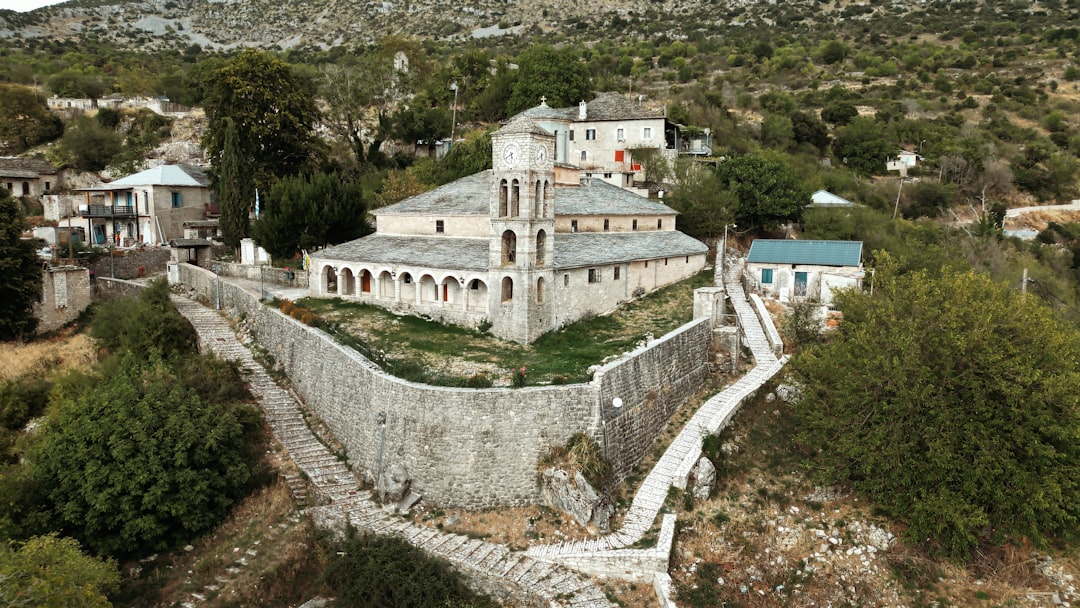
Peloponnesian Folklore Foundation Museum
Nafplio, Greece
0%
0%
🌟 Overall
💸 Cost
📡 Internet
🎉 Fun
👮♀️ Safety
Rank
21
Avg Cost
$
Avg Time
1h
Worth It?
😍
Pyrgos Village
Santorini, Greece
0%
0%
🌟 Overall
💸 Cost
📡 Internet
🎉 Fun
👮♀️ Safety
Rank
22
Avg Cost
$
Avg Time
1h
Worth It?
😀
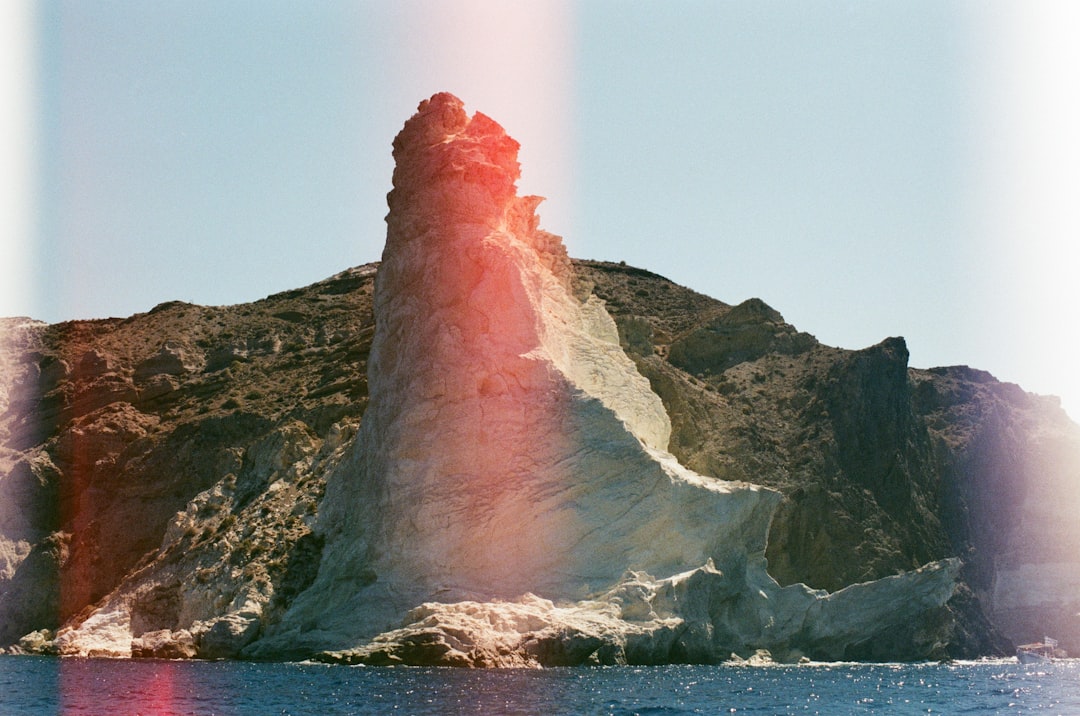
Red Beach
Santorini, Greece
0%
0%
🌟 Overall
💸 Cost
📡 Internet
🎉 Fun
👮♀️ Safety
Rank
23
Avg Cost
$
Avg Time
1h
Worth It?
😀
Santo Wines Winery
Santorini, Greece
0%
0%
🌟 Overall
💸 Cost
📡 Internet
🎉 Fun
👮♀️ Safety
Rank
24
Avg Cost
$
Avg Time
1h
Worth It?
😍
Syntagma Square Nafplio
Nafplio, Greece
0%
0%