 EuroTripr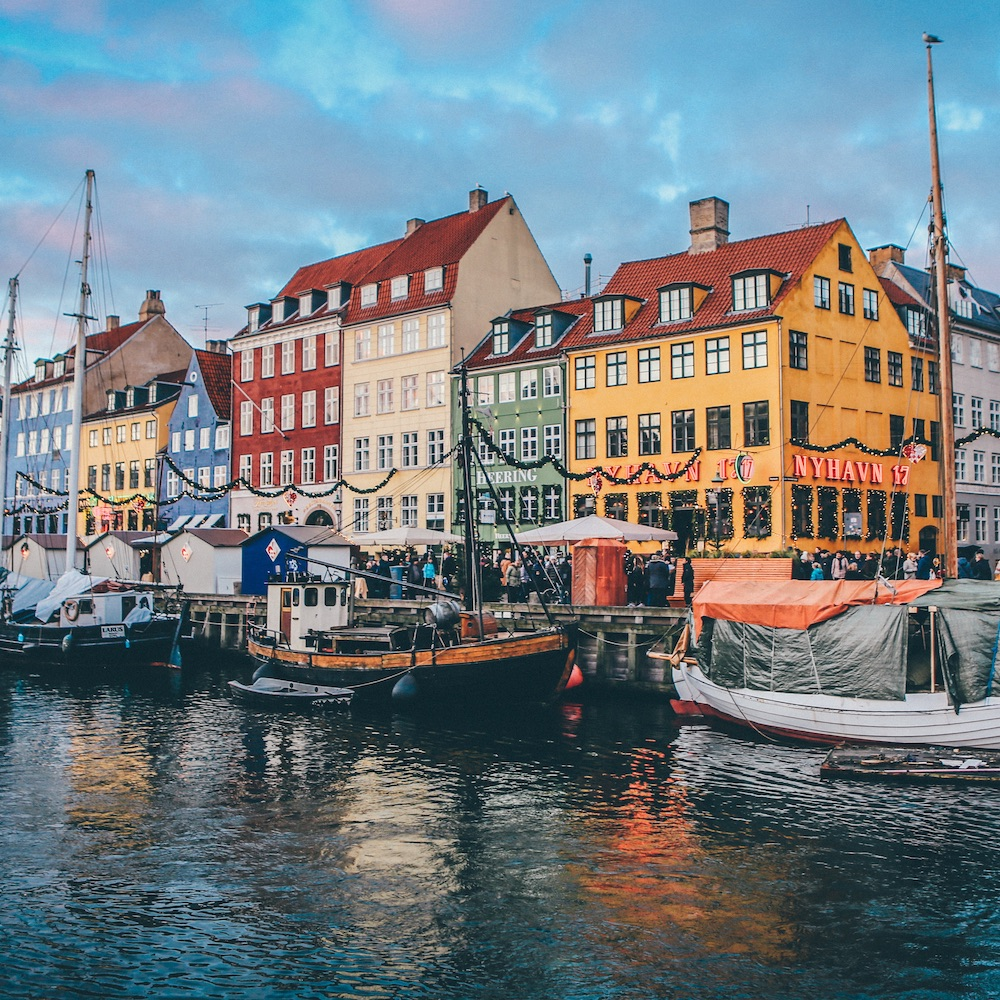

Copenhagen is clean, safe, and bike-friendly. More people bike than drive. The city is compact and easy to explore. Nyhavn (the colorful canal with 17th-century townhouses) is the postcard image of Copenhagen. It's touristy but beautiful. Tivoli Gardens is an amusement park in the city center that's been around since 1843. It's charming, especially at night when it's lit up. The Little Mermaid statue is iconic but tiny and always surrounded by tourists (it's disappointing, but everyone goes anyway). Christiania is a semi-autonomous neighborhood (founded by hippies in the 1970s) with colorful buildings, street art, and an open drug market. It's interesting but controversial.
Copenhagen has great museums (National Museum, Ny Carlsberg Glyptotek) and a lively food scene. Street food markets like Reffen and Torvehallerne are cheaper than restaurants but still expensive by European standards.
Copenhagen is expensive. Hostels run $35-50/night. A meal at a restaurant is $20-30. A beer is $7-10. A coffee is $5-7.
Roskilde (30 minutes from Copenhagen) has a Viking Ship Museum and a massive music festival in summer.
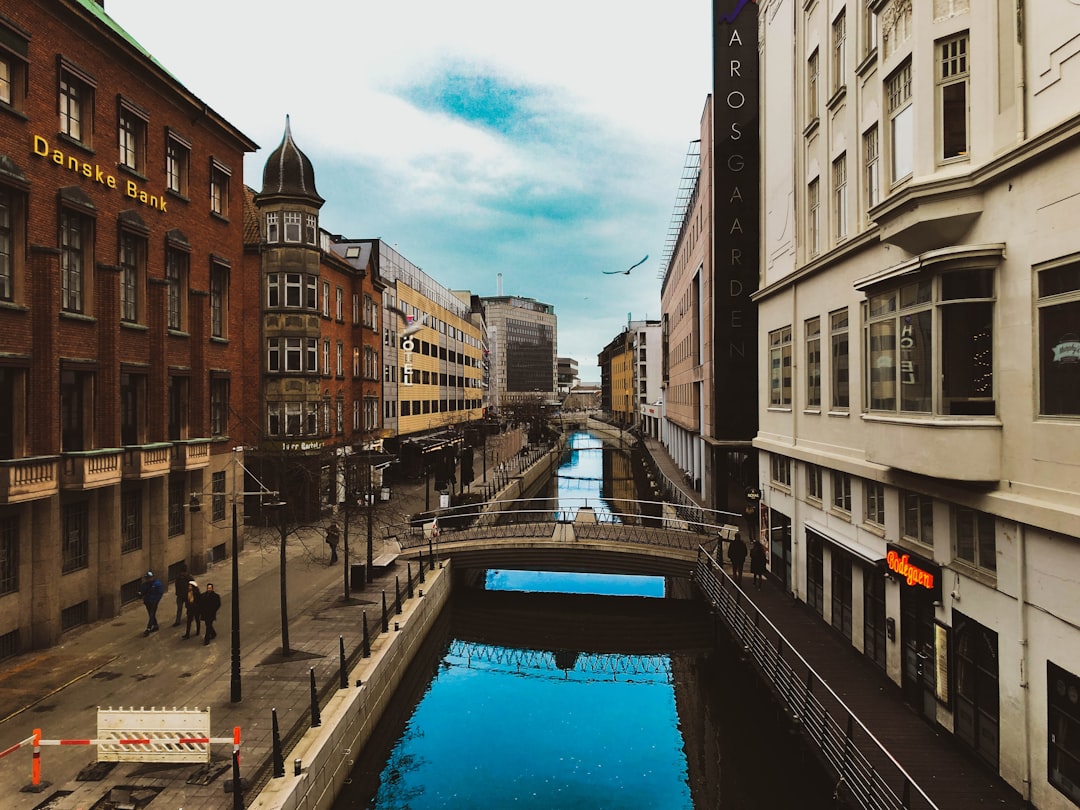
Aarhus on the east coast is Denmark's second-largest city. It has a charming old town (Den Gamle By, an open-air museum), ARoS (a modern art museum with a rainbow panorama on the roof), and a younger, more affordable vibe than Copenhagen.
The countryside has beaches, dunes, and small towns. Skagen at the northern tip is where the North Sea and Baltic Sea meet. It's beautiful and windswept. Møn has white cliffs overlooking the Baltic Sea.
Danish food is open-faced sandwiches (smørrebrød), pastries (wienerbrød, which Danes invented despite the name), hot dogs from street stalls, and new Nordic cuisine (if you can afford it). Noma (in Copenhagen) is one of the most famous restaurants in the world, but you need to book months in advance and spend hundreds of dollars.
Danish people are reserved, polite, and speak perfect English. They value work-life balance and hygge (a concept of coziness and contentment). Danes are friendly but not overly warm. Don't expect small talk.
Getting around is easy. Trains connect Copenhagen, Aarhus, and other cities. Buses go everywhere. Copenhagen has an excellent metro and bike infrastructure. If you want to explore the countryside, rent a car.
Denmark is one of the most expensive countries in Europe. Budget travelers struggle here. If you're on a tight budget, limit your time in Copenhagen, cook your own meals, and stay in hostels.
When to go: Summer (June-August) is the best time for weather (though "best" is relative). Days are long, temperatures are mild (15-20°C/60-68°F), and everything is open. Spring (April-May) and fall (September-October) are cooler and quieter. Winter (November-March) is cold, dark, and gray.
Denmark is clean, safe, and expensive. If you have the budget and want Scandinavian culture, it's worth it. If you're broke, skip it or just pass through.
Denmark Travel Guide
Denmark has Copenhagen (canals, colorful buildings, hygge culture, and expensive everything), Viking history, and a laid-back lifestyle. Copenhagen is clean, safe, and bike-friendly. The rest of Denmark is countryside, beaches, and small towns. Danish food is open-faced sandwiches, pastries, and new Nordic cuisine. The people are reserved, polite, and speak perfect English. It's one of the most expensive countries in Europe. The weather is cold and gray most of the year. If you have the budget and want Scandinavian design and culture, Denmark is worth it. If you're broke, skip it.
Overview
Denmark Details
🛂 Schengen Country
Yes
Denmark Costs
See something wrong or missing? Help update ✏️ costs for Denmark.
💰 Cost Per Day
No data yet — be the first! ✏️
🎒💵 Cost Per Day - Backpacker
No data yet — be the first! ✏️
👨👩👧👦💵 Cost Per Day - Family
No data yet — be the first! ✏️
💰🤑 Cost Per Day - Luxury
No data yet — be the first! ✏️
🛌 Sleeping
No data yet — be the first! ✏️
🏕️ Camping (per Day)
No data yet — be the first! ✏️
🏕️ Camping (per Week)
No data yet — be the first! ✏️
🏕️ Camping (per Month)
No data yet — be the first! ✏️
🍝 Food
No data yet — be the first! ✏️
🍳 Breakfast (for 1)
No data yet — be the first! ✏️
👨👩👧👦🍳 Breakfast (family)
No data yet — be the first! ✏️
🍔 Lunch (for 1)
No data yet — be the first! ✏️
👨👩👧👦🍔 Lunch (family)
No data yet — be the first! ✏️
🍽 Dinner (for 1)
No data yet — be the first! ✏️
👨👩👧👦🍽 Dinner (family)
No data yet — be the first! ✏️
☕️ Coffee
No data yet — be the first! ✏️
🥤 Coca Cola (0.3L)
No data yet — be the first! ✏️
🥪 Sandwich
No data yet — be the first! ✏️
🥖 Bread
No data yet — be the first! ✏️
🍿 Snacks
No data yet — be the first! ✏️
🍺 Beer (0.5L)
No data yet — be the first! ✏️
🍷 Wine (glass)
No data yet — be the first! ✏️
🍾 Wine (bottle)
No data yet — be the first! ✏️
💧 Water (bottle)
No data yet — be the first! ✏️
🍕 Street Food (for 1)
No data yet — be the first! ✏️
🚙 Transportation
No data yet — be the first! ✏️
🚙 Car Rental (per Day)
No data yet — be the first! ✏️
🚙 Car Rental (per Week)
No data yet — be the first! ✏️
🚙 Car Rental (per Month)
No data yet — be the first! ✏️
🚂🎟️ Train Ticket (single)
No data yet — be the first! ✏️
🚌🎟️ City-to-City Bus Ticket (single)
No data yet — be the first! ✏️
⛽️ Gas/Fuel
No data yet — be the first! ✏️
🚧 Tolls
No data yet — be the first! ✏️
🚊🎟️ City Transit Pass
No data yet — be the first! ✏️
🛬🚌 Airport Transfer
No data yet — be the first! ✏️
📸 Sightseeing
No data yet — be the first! ✏️
🎟 Museum Entry
No data yet — be the first! ✏️
🏰 Attraction Entry
No data yet — be the first! ✏️
🚶♂️ Guided Tours
No data yet — be the first! ✏️
💶 Other
No data yet — be the first! ✏️
👨💻 Co-working
No data yet — be the first! ✏️
🧼 Laundry
No data yet — be the first! ✏️
💁♂️💶 Tipping
No data yet — be the first! ✏️
📲 Mobile Data (~10GB)
No data yet — be the first! ✏️
🛰️ Luggage Storage / Locker (daily)
No data yet — be the first! ✏️
Denmark Scores
See something wrong or missing? Help update ✏️ scores for Denmark.
🤩 Overall Score
No data yet — be the first! 🗳️
💵 Cost
No data yet — be the first! 🗳️
💵 Income Level
No data yet — be the first! 🗳️
🌡 Temperature (Now)
No data yet — be the first! 🗳️
🌡 Temperature (Average)
No data yet — be the first! 🗳️
🌦 Weather
No data yet — be the first! 🗳️
💧 Humidity (Now)
No data yet — be the first! 🗳️
💧 Humidity (Average)
No data yet — be the first! 🗳️
☔️ Rain (Annual)
No data yet — be the first! 🗳️
☀️ Sunshine (Hours Per Day)
No data yet — be the first! 🗳️
💨 Wind
No data yet — be the first! 🗳️
🦹♂️ Safety
No data yet — be the first! 🗳️
🚙 Traffic Safety
No data yet — be the first! 🗳️
👩🏻 Female Friendly
No data yet — be the first! 🗳️
✌️ Peace (No Wars / Political Conflict)
No data yet — be the first! 🗳️
🎉 Fun
No data yet — be the first! 🗳️
💃 Nightlife
No data yet — be the first! 🗳️
😘 For Singles
No data yet — be the first! 🗳️
👩❤️👨 For Couples
No data yet — be the first! 🗳️
👨👩👧👦 Family Score
No data yet — be the first! 🗳️
🚶♂️ Walkability
No data yet — be the first! 🗳️
🚶♂️ Easy To Get Around
No data yet — be the first! 🗳️
👨🦽 Accessibility
No data yet — be the first! 🗳️
📡 Internet
No data yet — be the first! 🗳️
📡 Free Wifi
No data yet — be the first! 🗳️
👨💻 Co-working Places
No data yet — be the first! 🗳️
❄️ A/C
No data yet — be the first! 🗳️
🏥 Hospitals
No data yet — be the first! 🗳️
😃 Happiness
No data yet — be the first! 🗳️
🤝 Friendliness
No data yet — be the first! 🗳️
🤗 Hospitality
No data yet — be the first! 🗳️
🇬🇧 English Speaking
No data yet — be the first! 🗳️
👱♂️👨🏾 Racial Tolerance
No data yet — be the first! 🗳️
🏳️🌈 LGBTQ+ Friendly
No data yet — be the first! 🗳️
🎓 Education Level
No data yet — be the first! 🗳️
🧹 Clean
No data yet — be the first! 🗳️
👍 Rated By Members
No data yet — be the first! 🗳️
👍 Liked By Eurotriprs
No data yet — be the first! 🗳️
Average monthly weather for Denmark
| Monthly Averages | Jan | Feb | Mar | Apr | May | Jun | Jul | Aug | Sep | Oct | Nov | Dec |
|---|---|---|---|---|---|---|---|---|---|---|---|---|
| Weather | 🌧️ Rainy | 🌦️ Sun & Rain | 🌦️ Sun & Rain | 🌦️ Sun & Rain | 🌦️ Sun & Rain | 🌦️ Sun & Rain | 🌦️ Sun & Rain | 🌦️ Sun & Rain | 🌦️ Sun & Rain | 🌧️ Rainy | 🌧️ Rainy | 🌧️ Rainy |
| Avg. Temp. | 35° F ⛄️ Cold | 36° F ⛄️ Cold | 39° F ⛄️ Cold | 45° F ⛄️ Cold | 53° F 😰 Cool | 60° F 😰 Cool | 62° F 👌 Nice | 62° F 👌 Nice | 57° F 😰 Cool | 50° F 😰 Cool | 42° F ⛄️ Cold | 38° F ⛄️ Cold |
| Feels Like | 27° F 🥶 Freezing | 28° F 🥶 Freezing | 32° F 🥶 Freezing | 38° F ⛄️ Cold | 48° F 😰 Cool | 57° F 😰 Cool | 59° F 😰 Cool | 60° F 😰 Cool | 54° F 😰 Cool | 45° F ⛄️ Cold | 36° F ⛄️ Cold | 31° F 🥶 Freezing |
| High Temp. | 39° F | 40° F | 46° F | 52° F | 61° F | 67° F | 68° F | 68° F | 63° F | 55° F | 46° F | 41° F |
| Low Temp. | 31° F | 32° F | 33° F | 37° F | 45° F | 52° F | 55° F | 55° F | 51° F | 46° F | 38° F | 35° F |
| Sunrise | 07:40 am | 06:47 am | 05:33 am | 04:13 am | 03:06 am | 02:34 am | 02:58 am | 03:54 am | 04:54 am | 05:56 am | 07:00 am | 07:47 am |
| Sunset | 03:20 pm (15:20) | 04:22 pm (16:22) | 05:26 pm (17:26) | 06:29 pm (18:29) | 07:30 pm (19:30) | 08:09 pm (20:09) | 07:56 pm (19:56) | 06:56 pm (18:56) | 05:38 pm (17:38) | 04:18 pm (16:18) | 03:13 pm (15:13) | 02:47 pm (14:47) |
| Sunlight | ☀️ 3h | ☀️ 4h | ☀️ 7h | ☀️ 10h | ☀️ 12h | ☀️ 12h | ☀️ 12h | ☀️ 11h | ☀️ 8h | ☀️ 5h | ☀️ 3h | ☀️ 2h |
| Sunny Days | 6 | 11 | 19 | 24 | 26 | 26 | 27 | 27 | 21 | 15 | 7 | 4 |
| Clouds | 79% | 77% | 68% | 58% | 59% | 61% | 65% | 62% | 65% | 74% | 79% | 83% |
| Humidity | 💦 88% | 💦 84% | 💦 81% | 😥 75% | 😥 74% | 💦 76% | 💦 78% | 💦 79% | 💦 82% | 💦 85% | 💦 88% | 💦 90% |
| Rain | 2 in. (11 Days) | 2 in. (9 Days) | 2 in. (10 Days) | 2 in. (11 Days) | 2 in. (11 Days) | 3 in. (12 Days) | 4 in. (15 Days) | 3 in. (13 Days) | 3 in. (12 Days) | 3 in. (15 Days) | 2 in. (12 Days) | 2 in. (12 Days) |
| Snow | 5 in. (4 Days) | 3 in. (2 Days) | 2 in. (1 Days) | 1 in. (1 Days) | 0 in. (0 Days) | 0 in. (0 Days) | 0 in. (0 Days) | 0 in. (0 Days) | 0 in. (0 Days) | 0 in. (0 Days) | 1 in. (1 Days) | 3 in. (2 Days) |
| Wind | 10.51 mph | 10.75 mph | 9.51 mph | 8.99 mph | 8.8 mph | 8.74 mph | 8.98 mph | 8.3 mph | 8.7 mph | 10.02 mph | 9.36 mph | 10.07 mph |
| Last updated on: Apr 2026 | Source: Open Meteo | |||||||||||
⚠️ Weather and climate is for monthly averages for Denmark. Current weather and temperatures might be different on any given day. This table is for planning purposes. Please check current weather forecasts before your trip.


Denmark
Brown brick building near river under cloudy sky during daytime
Photo by Jonas Smith on Unsplash


Denmark
Cars parked in front of white concrete building during daytime
Photo by Elle Leontiev on Unsplash

Denmark
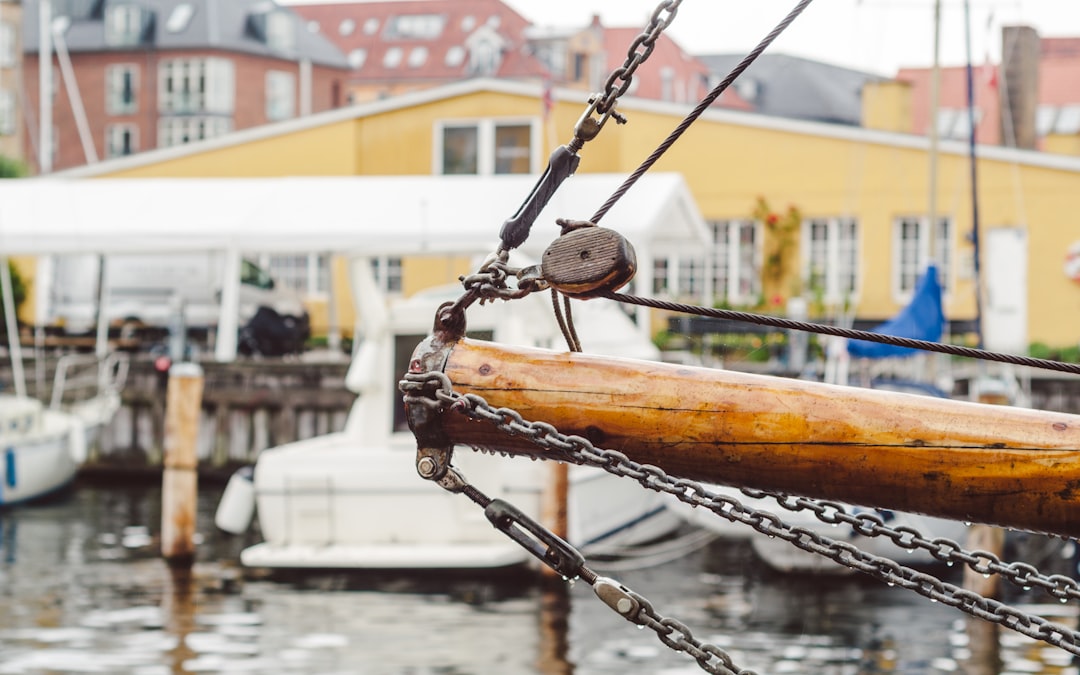
Brown concrete houses near body of water under white and blue sky


Denmark
Colorful buildings stand tall against a clear blue sky.
Photo by Erim Berk Benli on Unsplash


Denmark
Brown and white concrete building beside body of water under cloudy sky during daytime
Photo by Andrea Ferrario on Unsplash